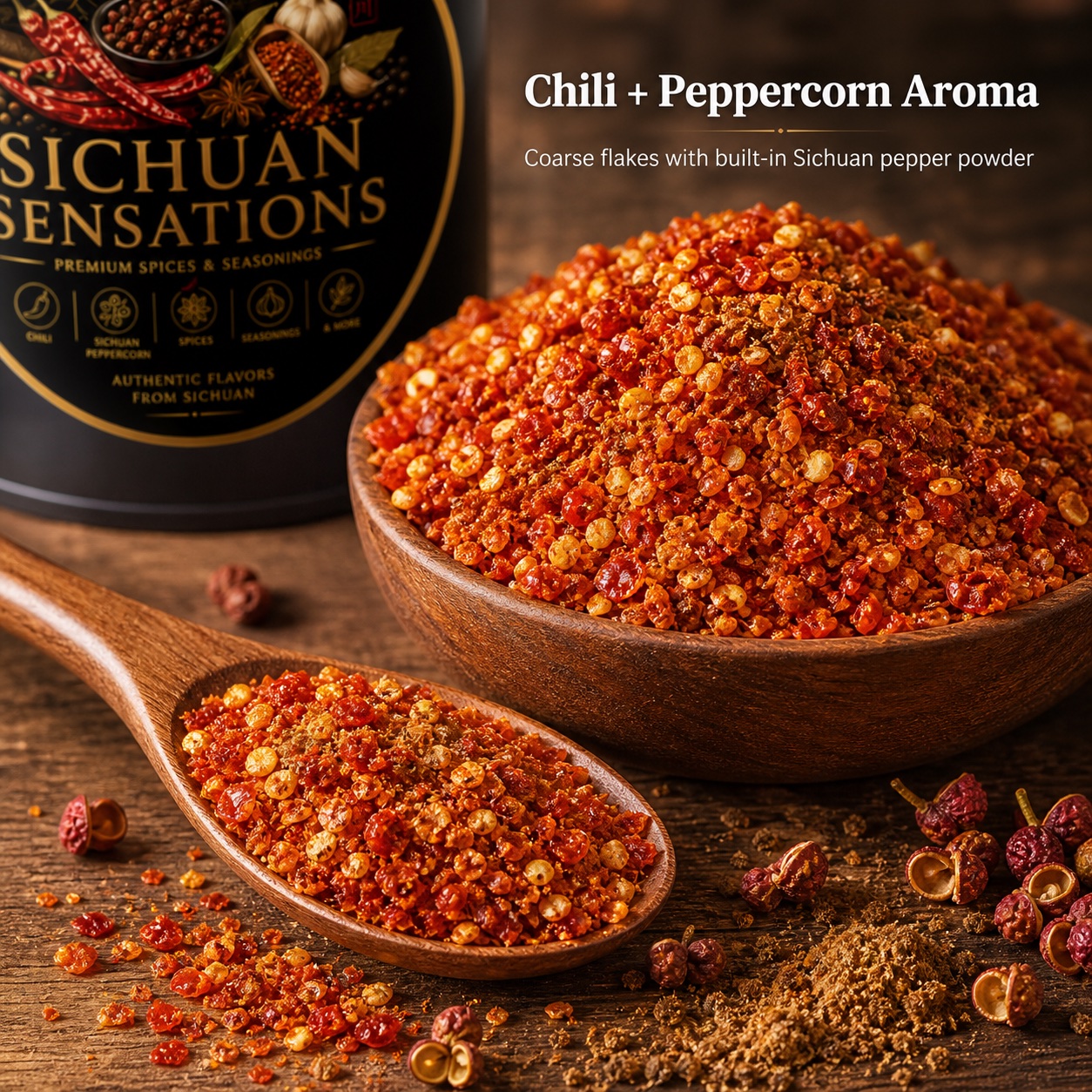
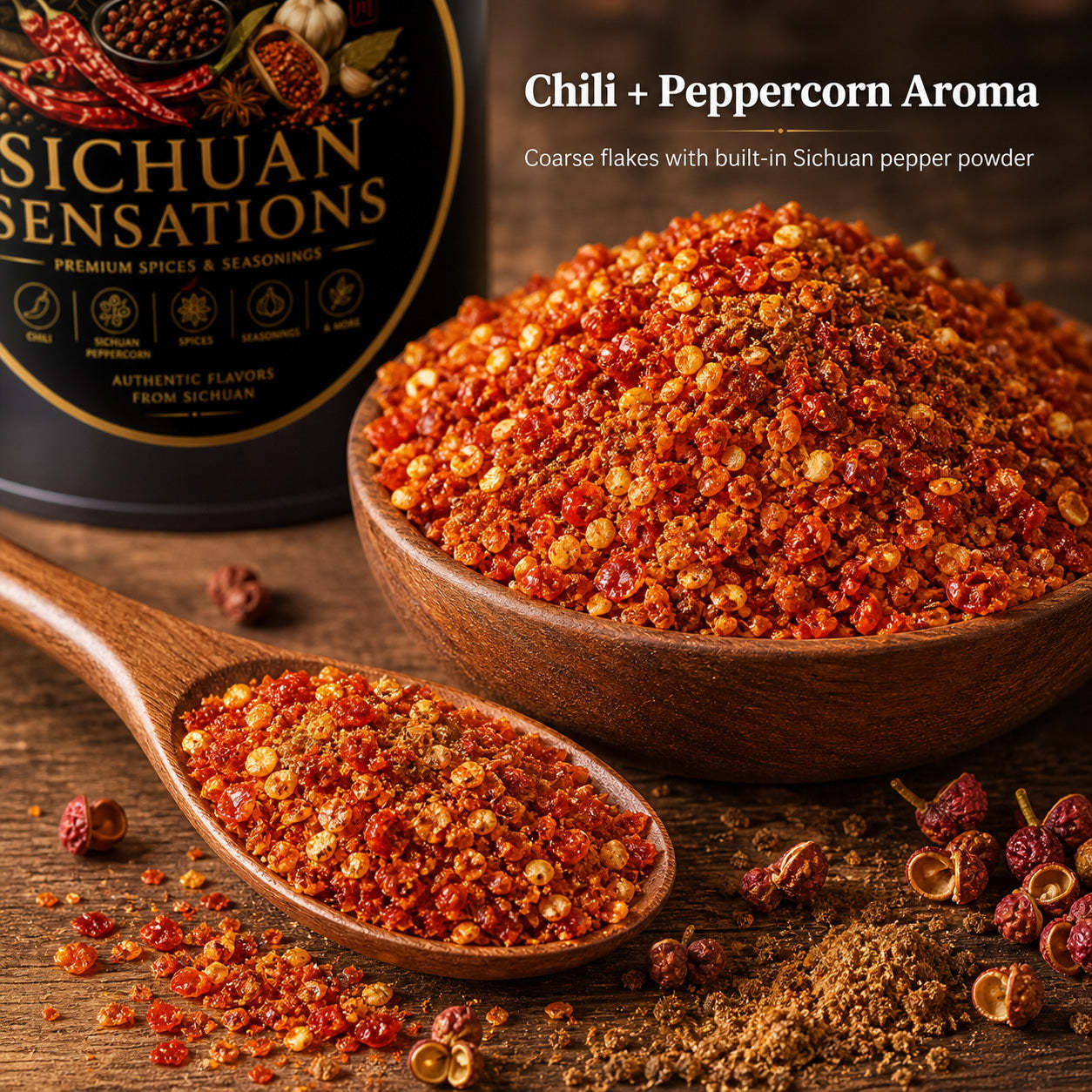
That is the quick answer. The longer answer is more useful in the kitchen: there is no single formula that every cook or brand follows. One blend may be coarse and chili-heavy. Another may use finely ground peppercorn, salt, sesame, cumin, garlic, or other spices. The balance changes with the dish and with the person cooking it.
What does "mala" mean?
*Ma* refers to the tingling sensation produced by Sichuan peppercorn. It feels different from chili heat. It may begin as a light buzz around the lips and spread across the tongue as you eat.
*La* means spicy heat, usually supplied by fresh or dried chili. In a good mala seasoning, chili does more than burn. It contributes color and a toasted aroma that works with the peppercorn.
The two sensations should stay distinct. Mala is less interesting when the chili overwhelms the peppercorn, or when so much peppercorn is used that the food underneath disappears.
What is in mala spice mix?
Sichuan peppercorn and dried chili form the basic flavor. Beyond that, recipes vary.
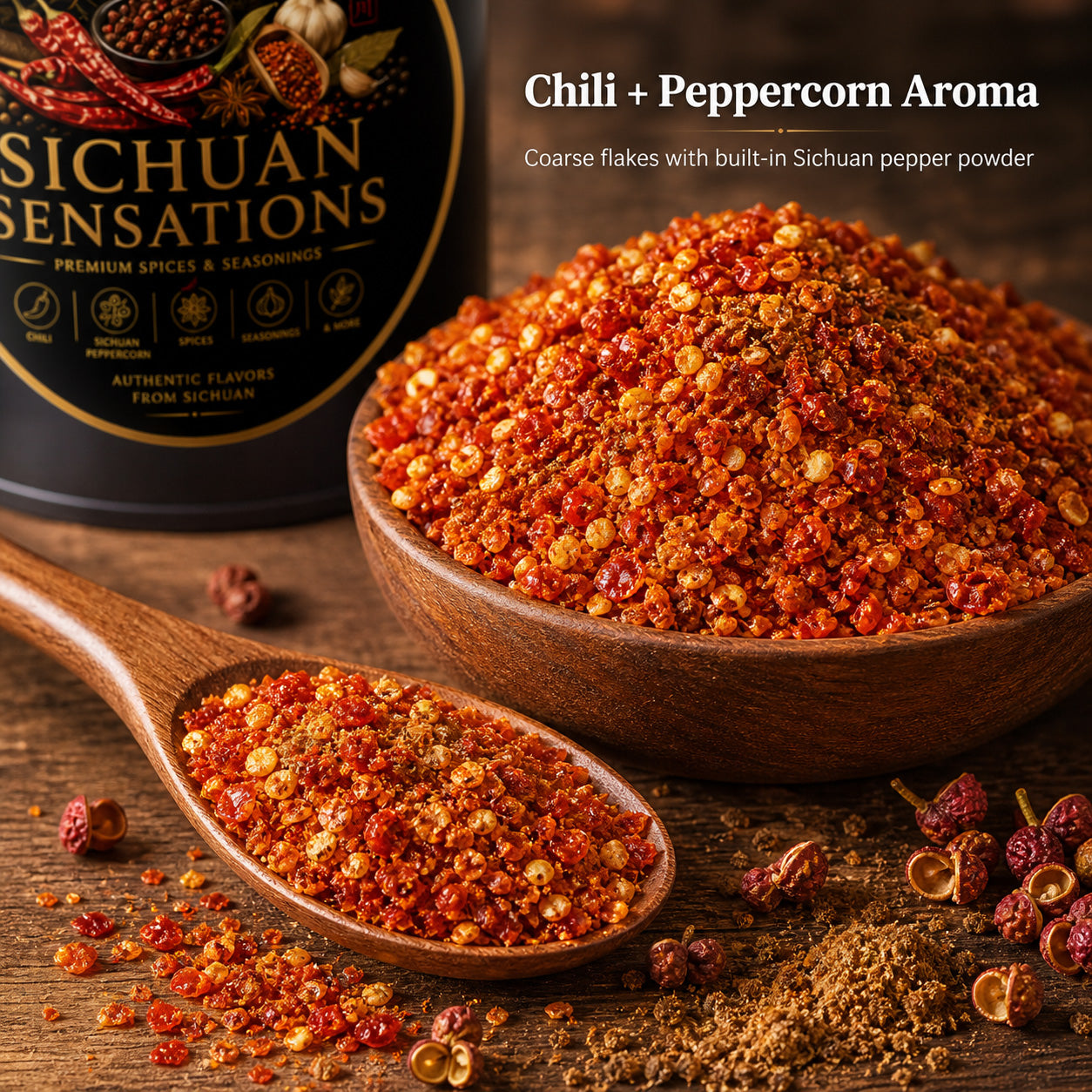
A simple dry blend might contain only crushed chili and ground peppercorn. A table seasoning may add salt, toasted sesame seeds, cumin, sugar, garlic, or mushroom powder. A blend intended for hot pot or stir-frying may include a wider range of spices. These are possible additions, not a checklist that every mala seasoning must follow.
Read the ingredient panel when buying a prepared blend. The words "mala seasoning" do not tell you whether the product contains salt, oil, allergens, or other ingredients.
Sichuan peppercorn: the "ma"
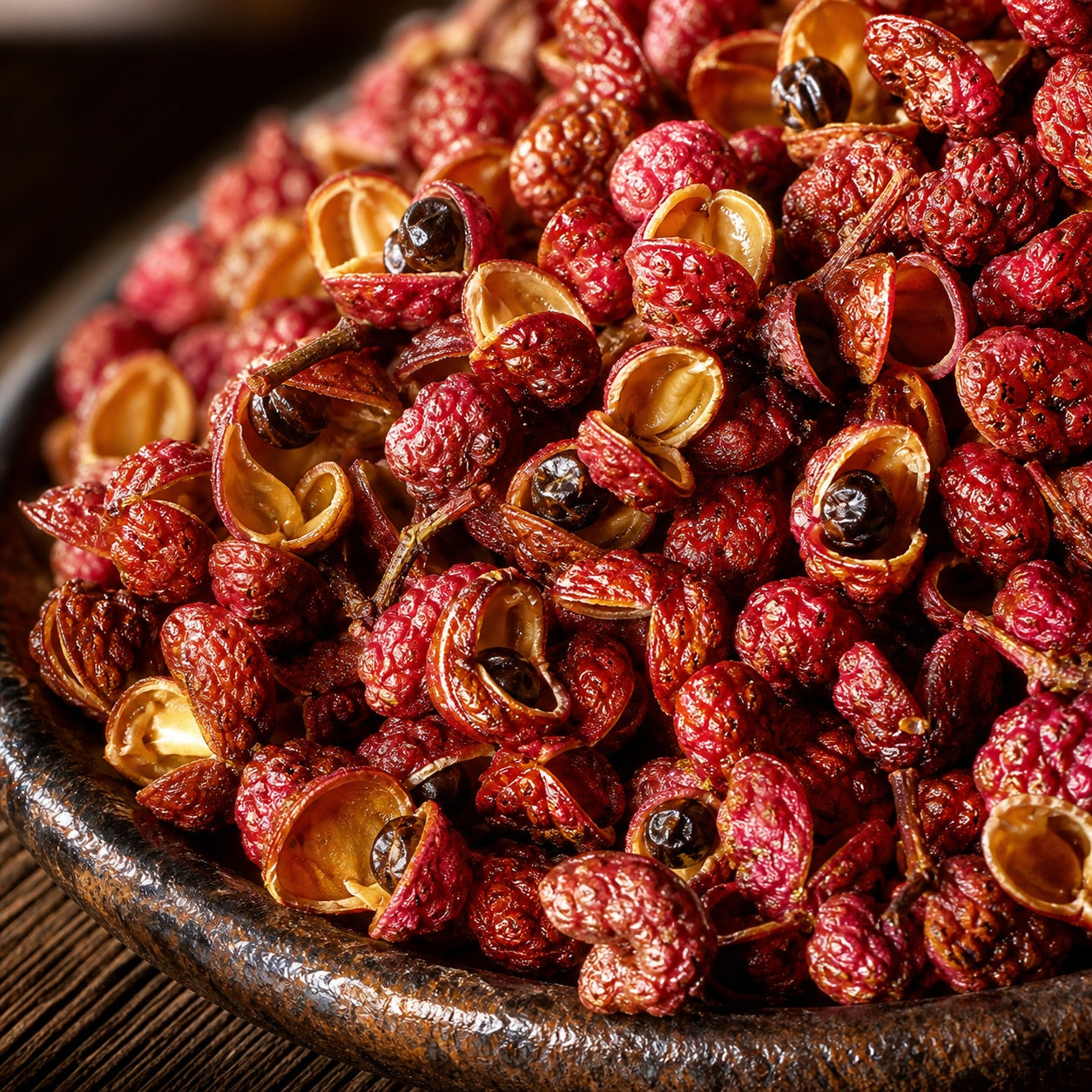
Sichuan peppercorn supplies the tingle and much of mala's aroma. It is not black pepper, and it does not taste like a hotter version of black pepper.
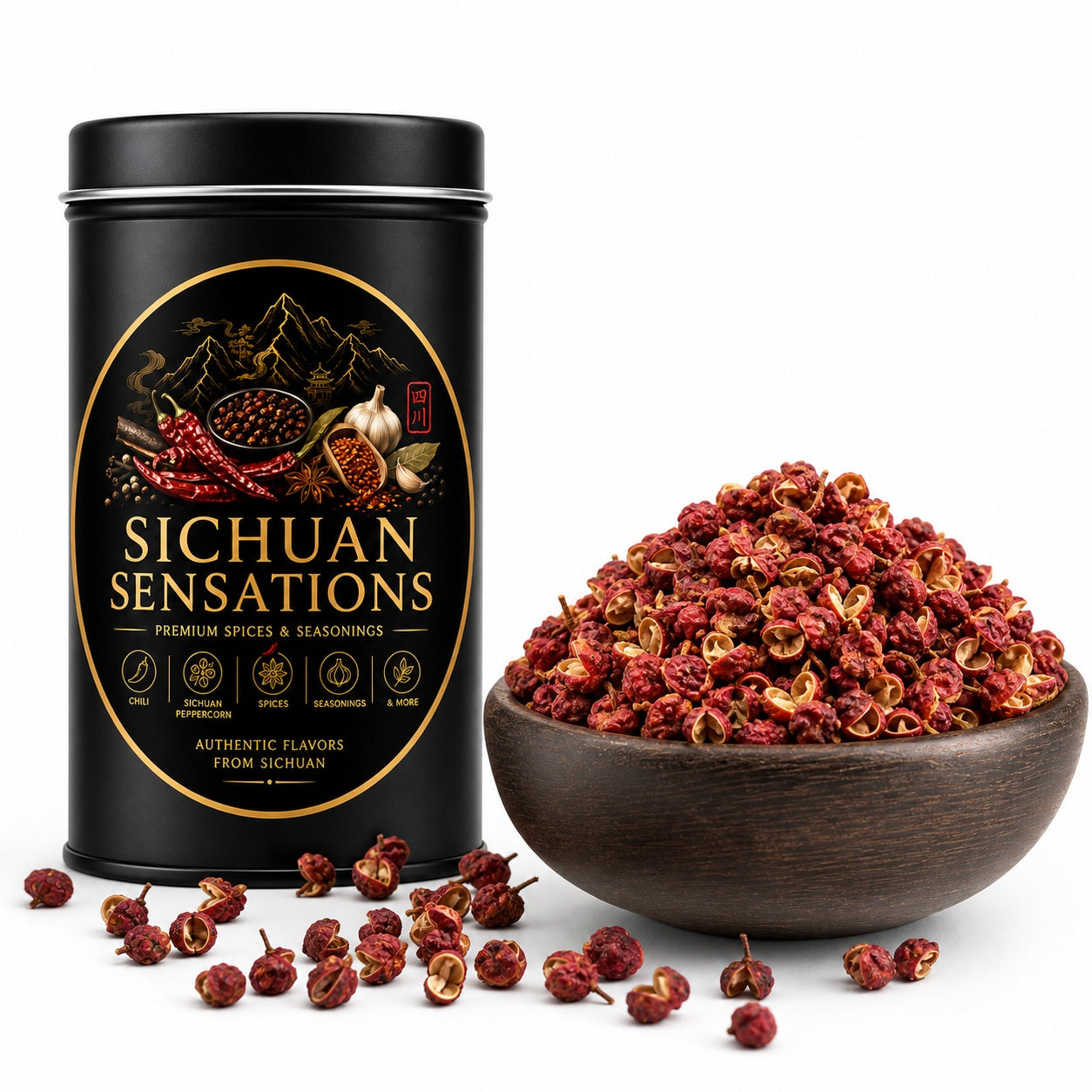
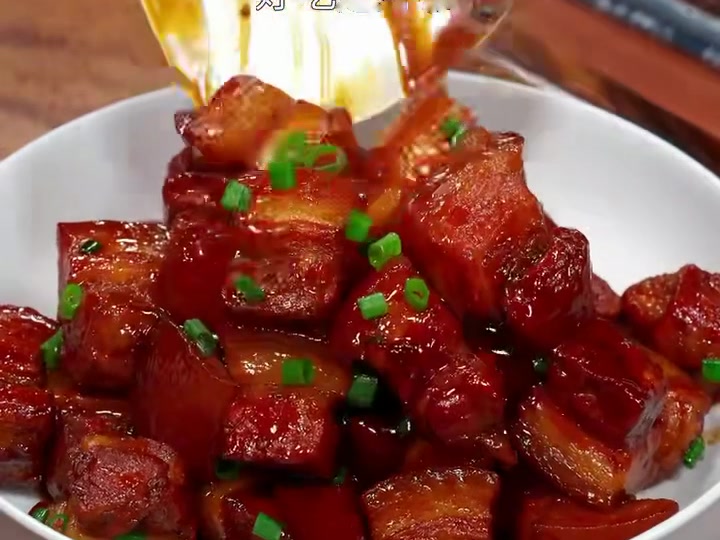
Whole red Sichuan peppercorns tend to give cooked dishes a warmer, deeper aroma. They fit naturally into mapo tofu, hot pot, braised meats, chili oil, and many stir-fries. Crushing them shortly before cooking keeps more of their fragrance than using powder that has sat open for a long time.
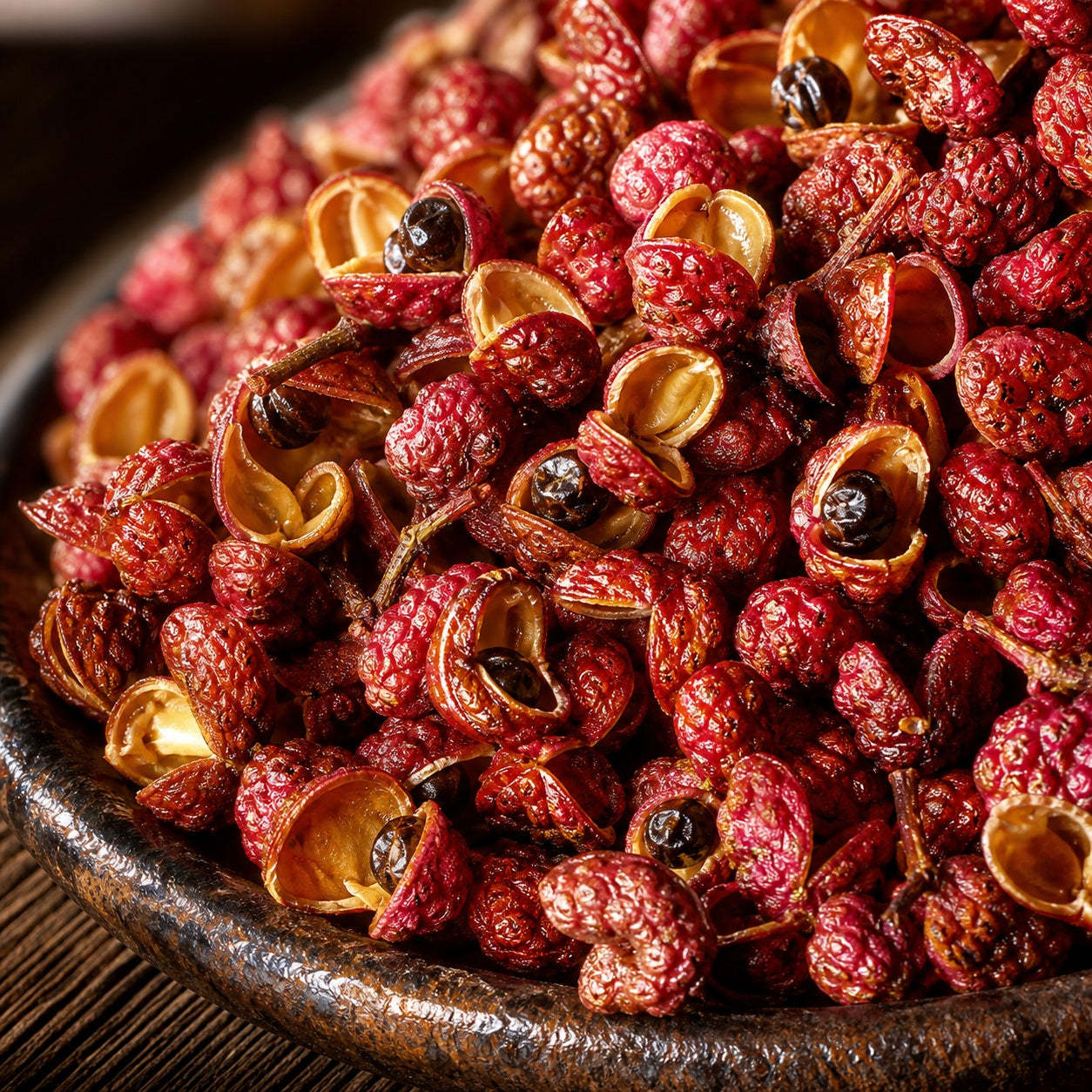
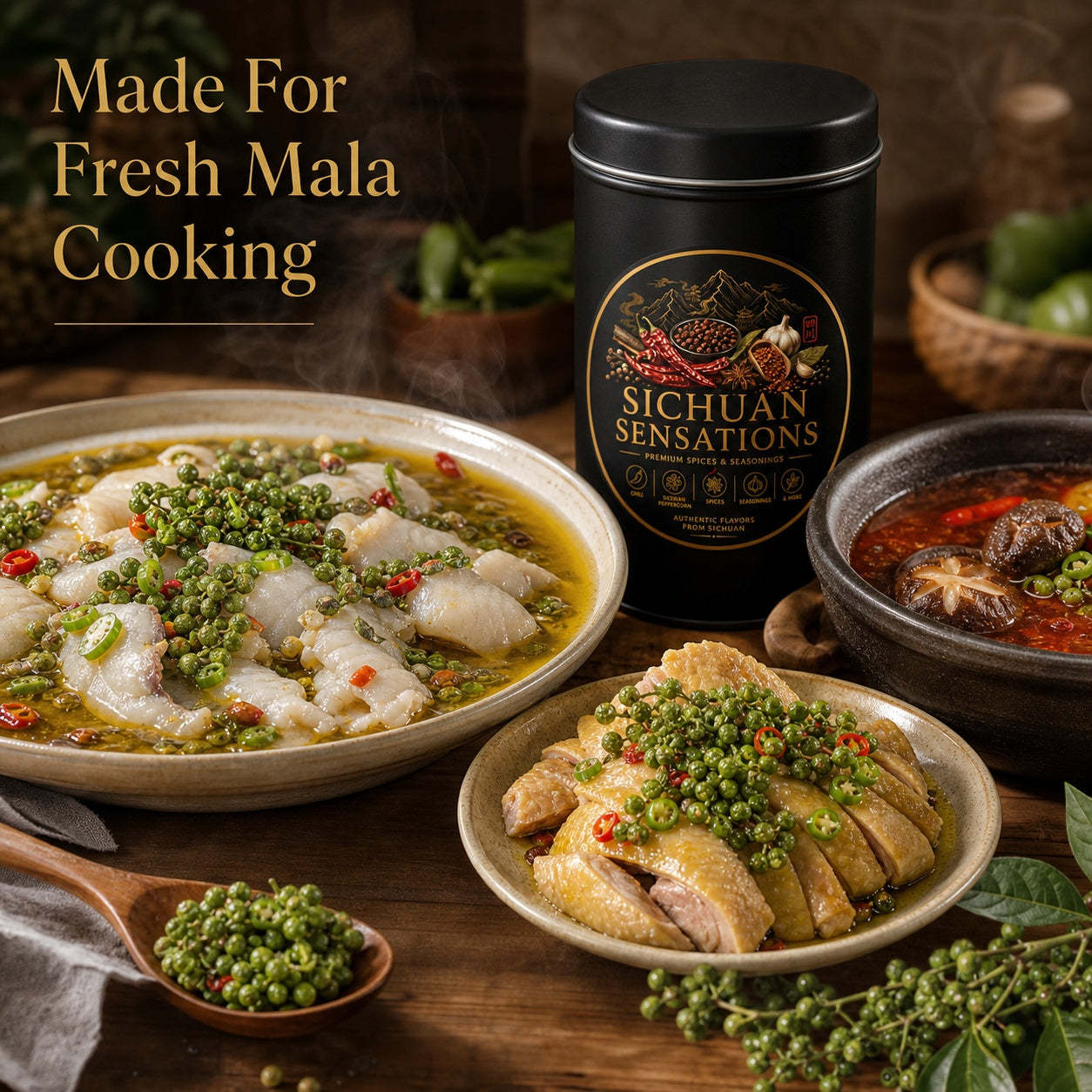
Green Sichuan peppercorn offers another style. Its aroma is usually brighter and more citrus-forward, with a fresh tingle that works well in fish, chicken, cold dishes, dipping oils, and green peppercorn preparations. It is an alternative direction, not a required second peppercorn in every mala blend.
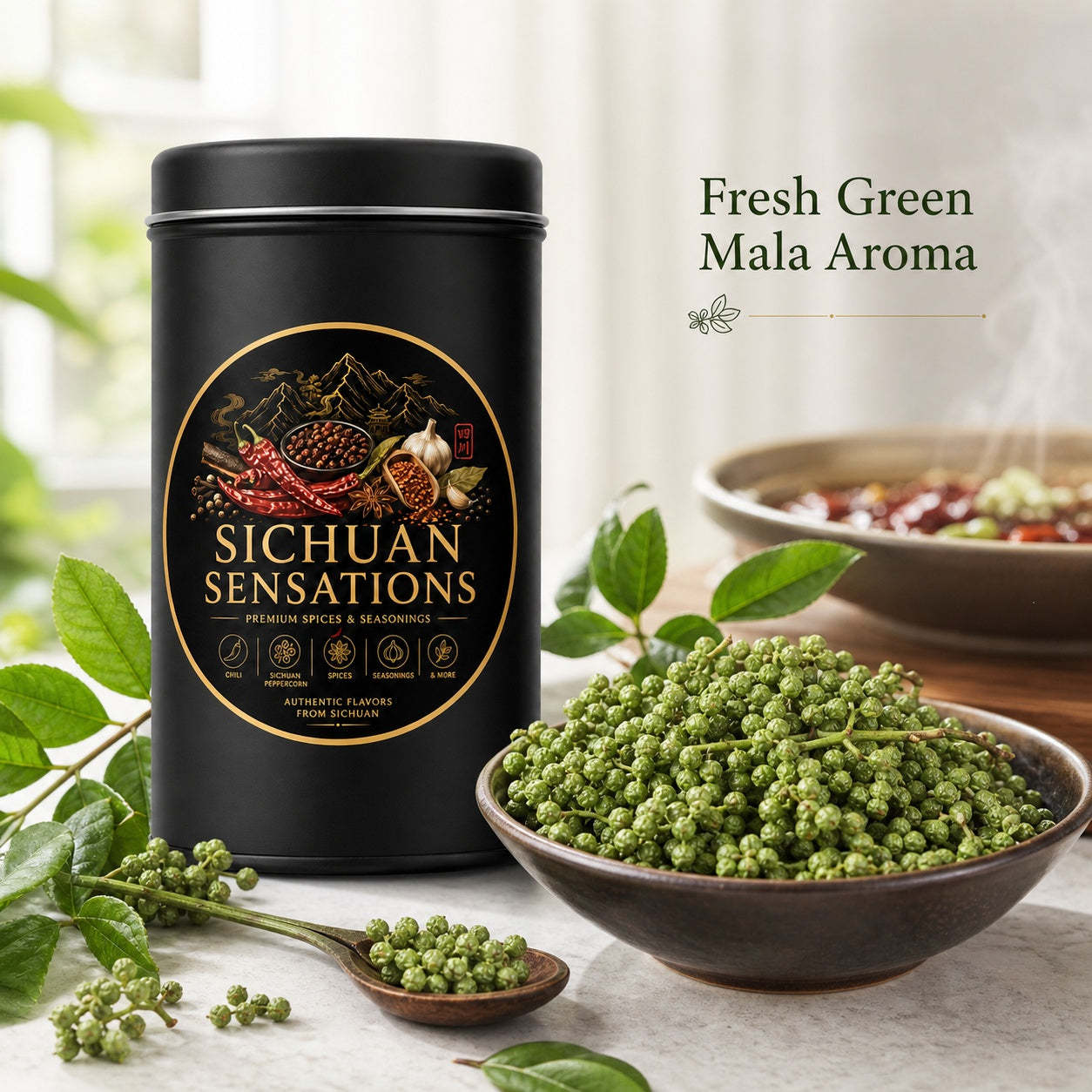
Whichever type you use, watch the heat. Peppercorns can turn bitter if they sit in smoking oil or become very dark. Warm them gently, or add freshly ground peppercorn near the end when you want the aroma to remain clear.
Dried chili: the "la"
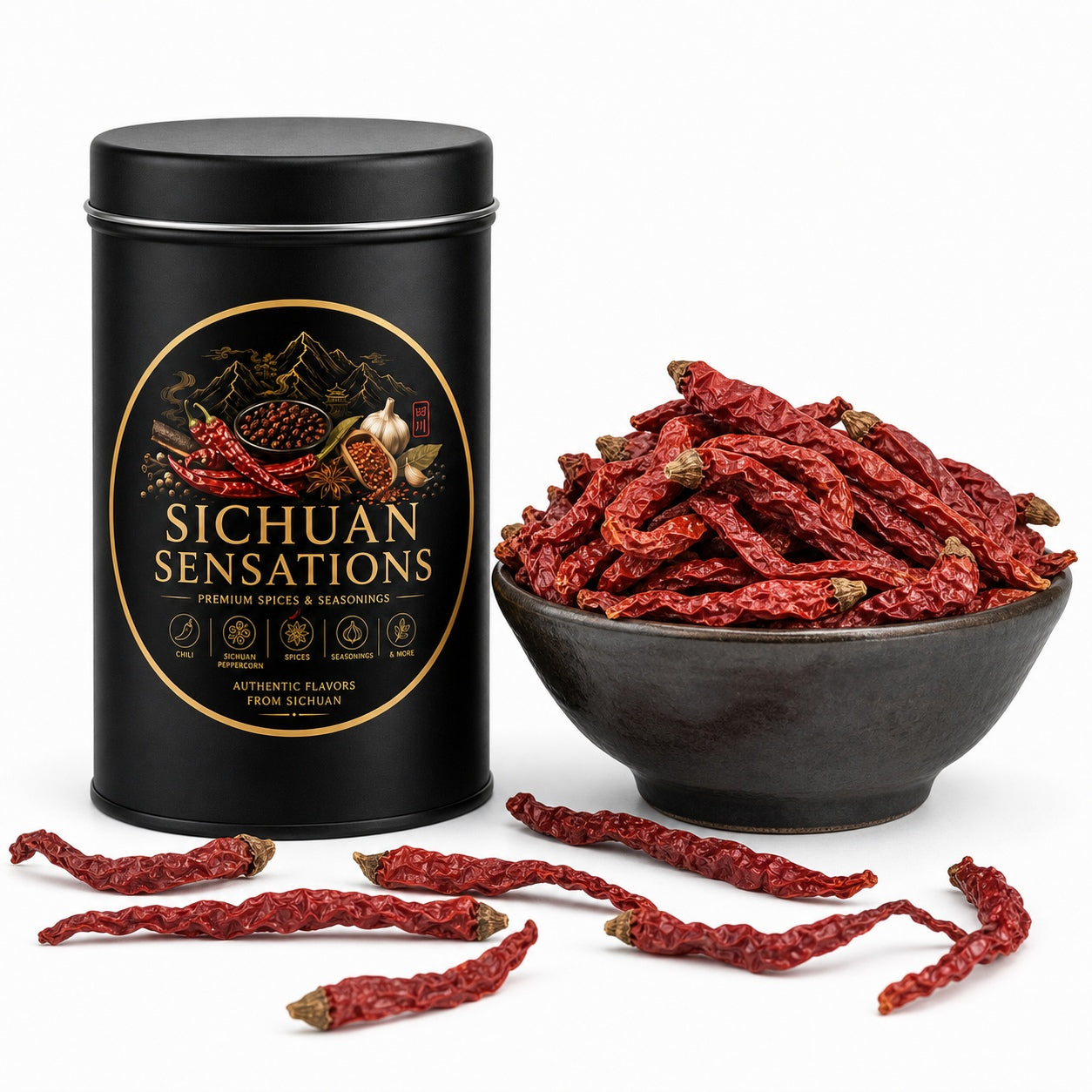
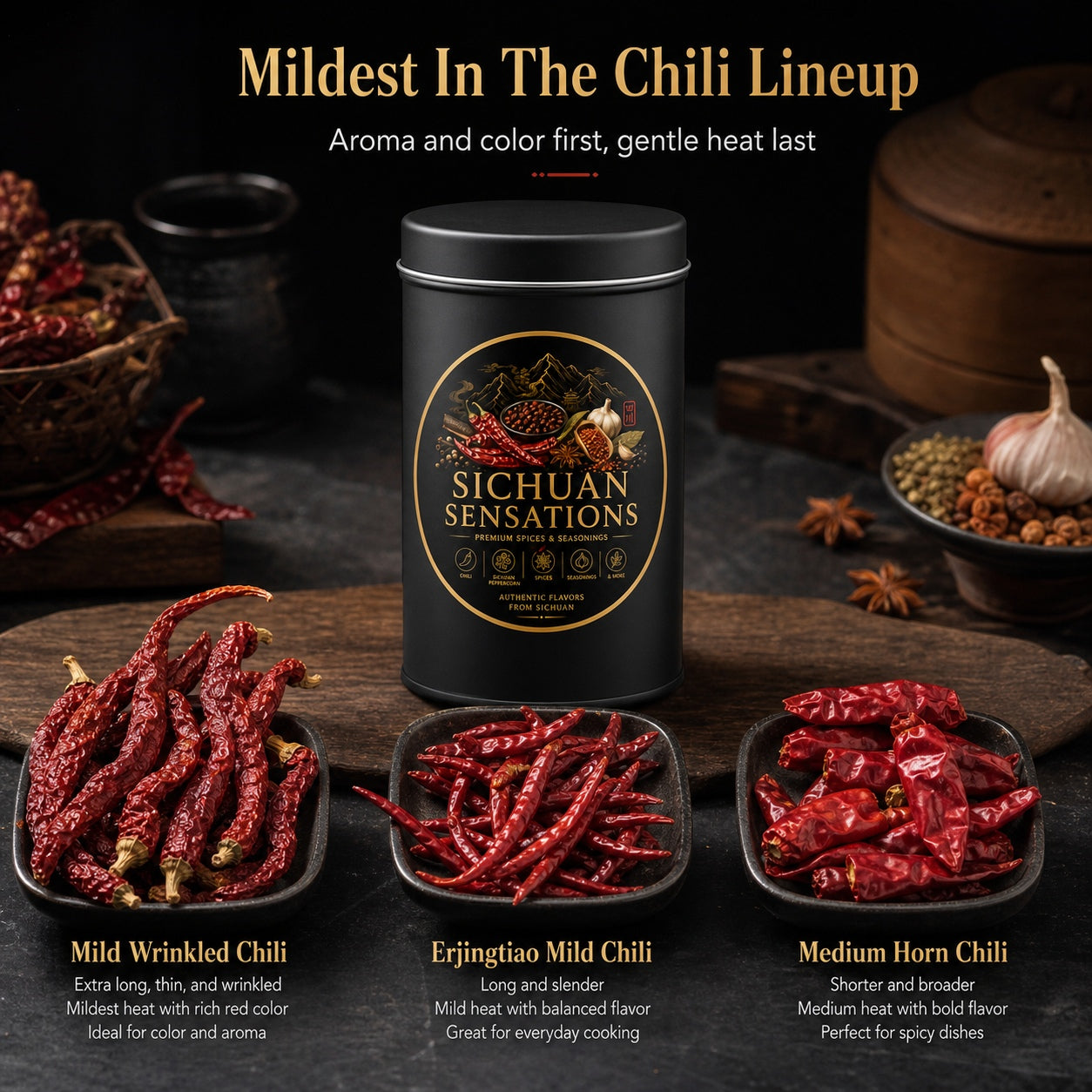
Dried chili supplies heat, red color, and roasted chili fragrance. Different chilies behave differently. Some are valued for color, some for aroma, and some for a stronger burn. The hottest option is not automatically the right one for every dish.
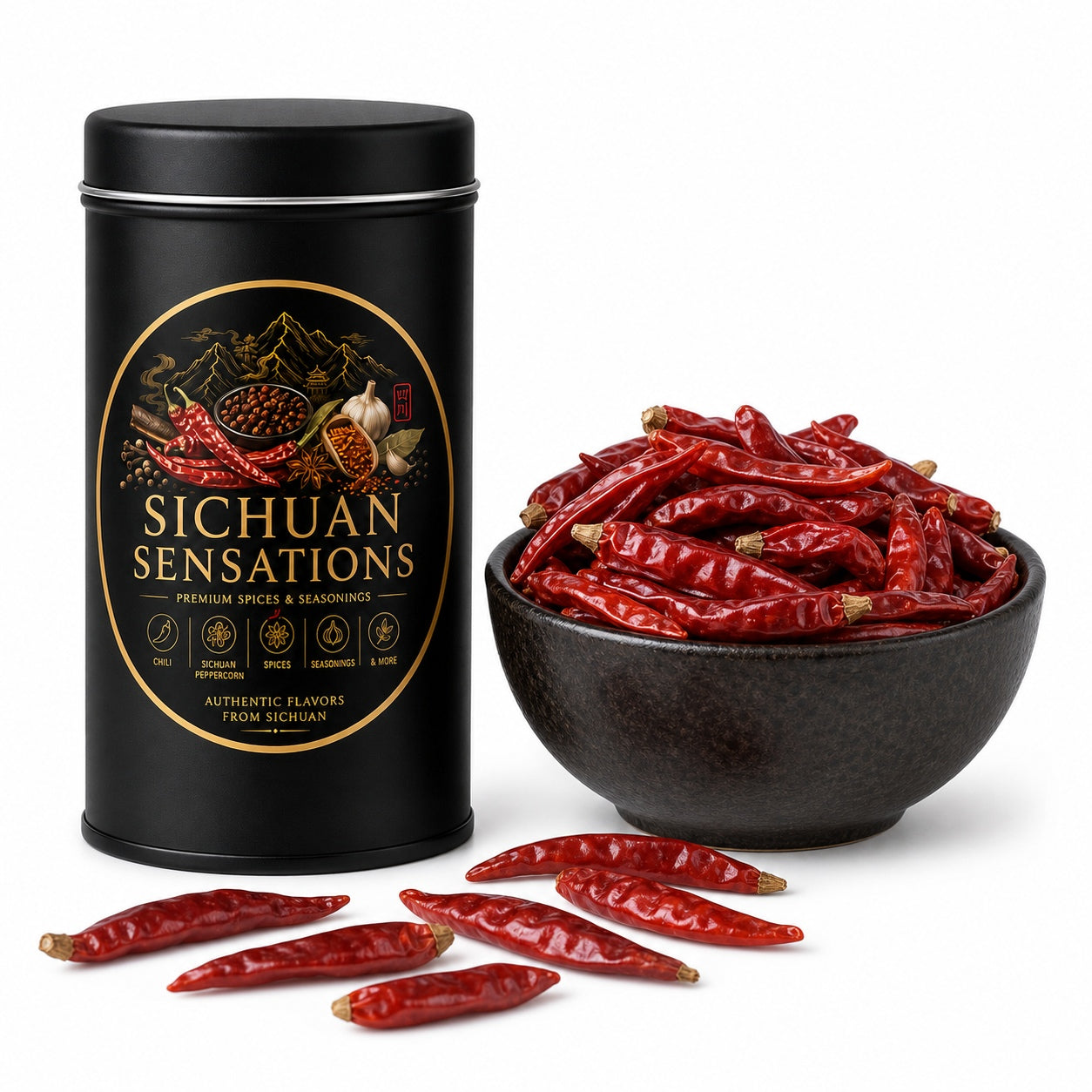
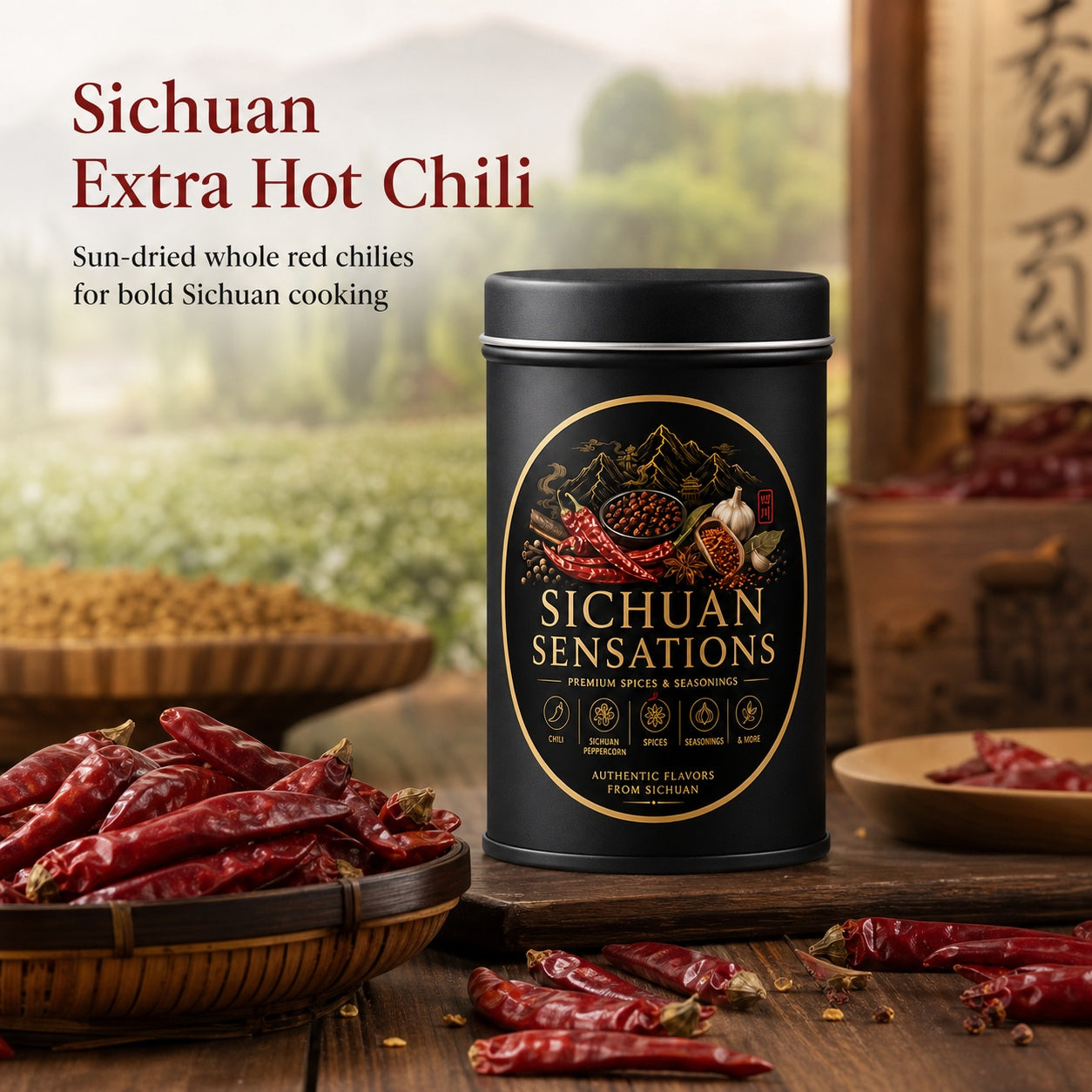
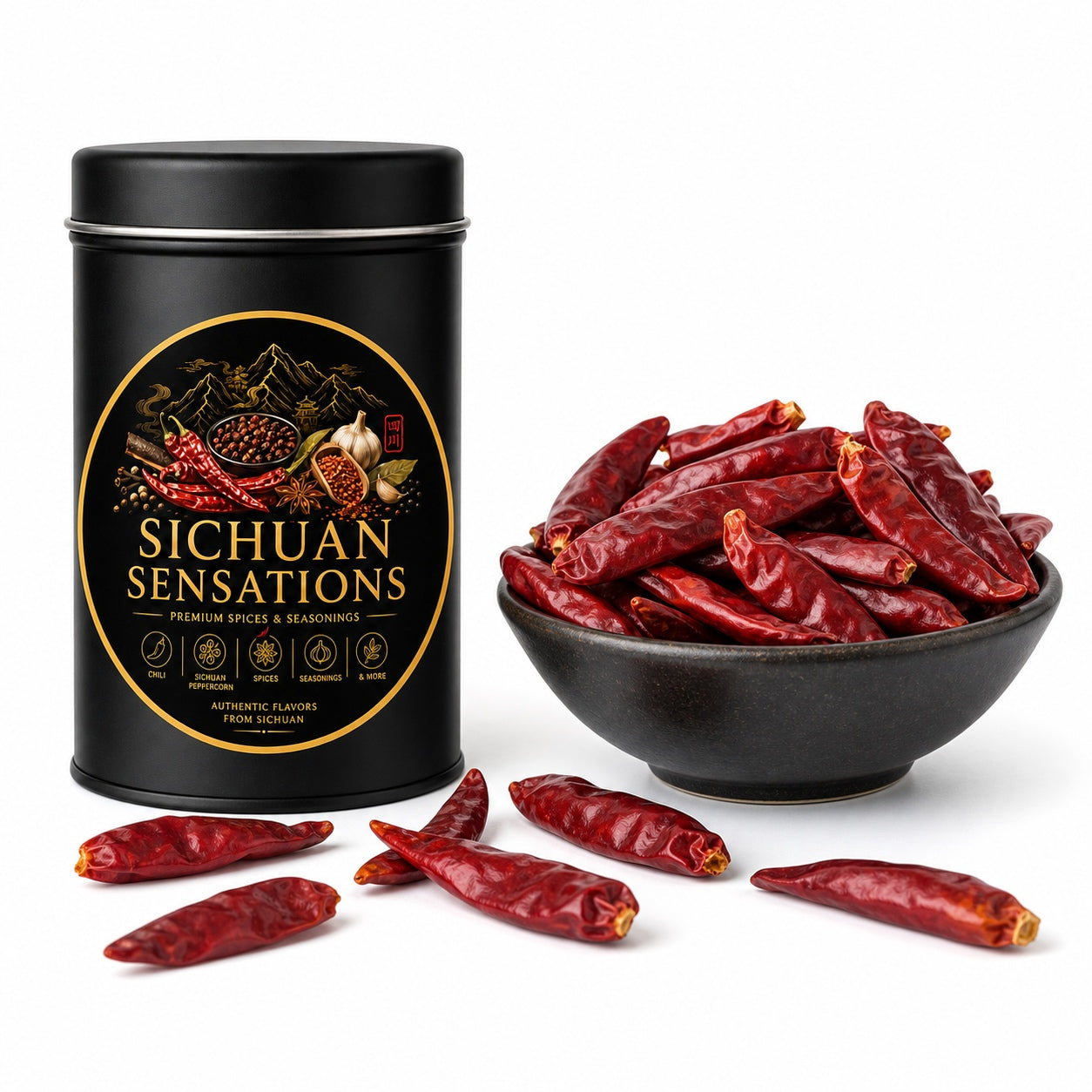
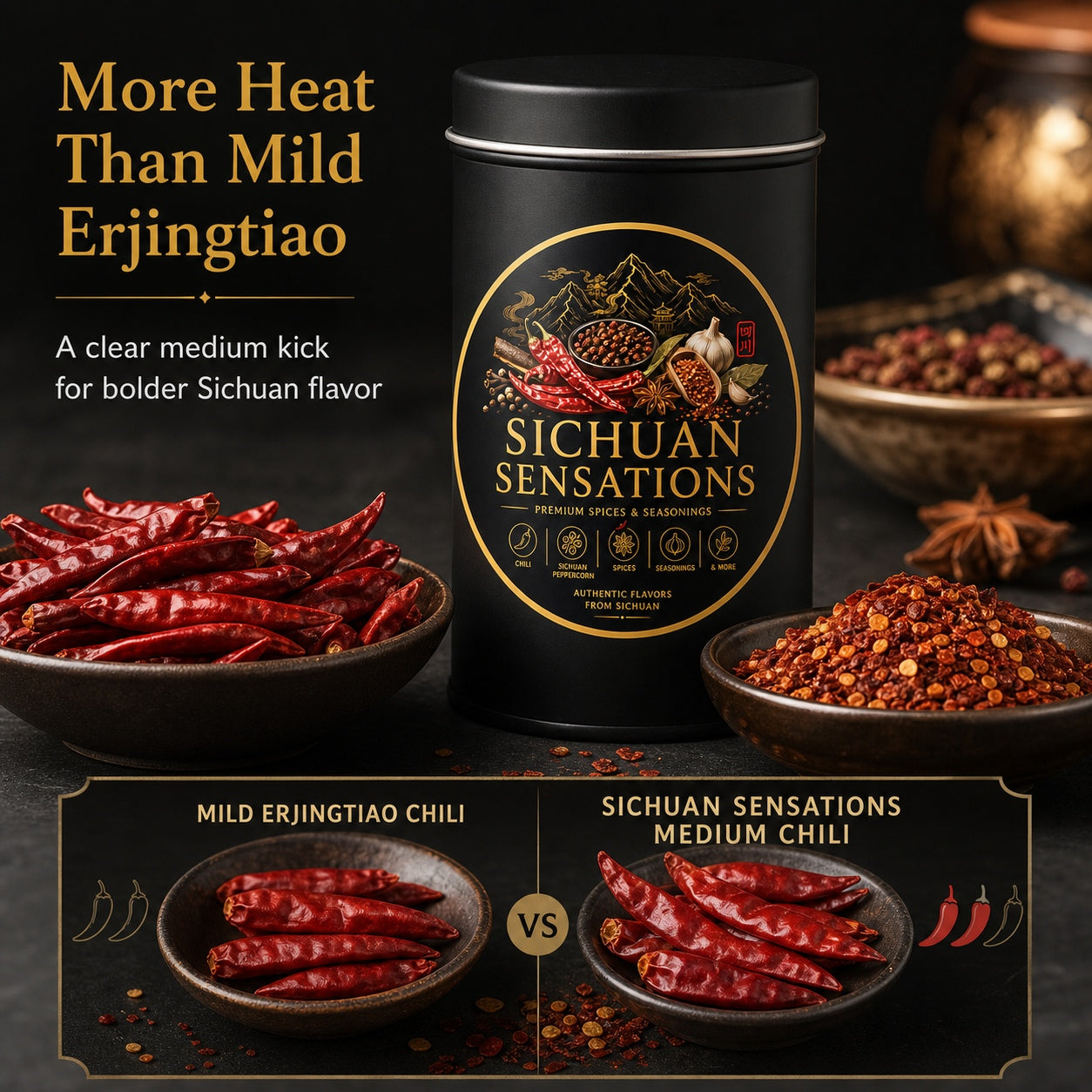
RuralMala's Sichuan Extra Hot Chili is a whole dried chili for cooks who want a higher-heat option. It can be used whole, cut into sections, crushed, or ground. Start carefully. The useful amount depends on the chili, the recipe, and your own heat tolerance.
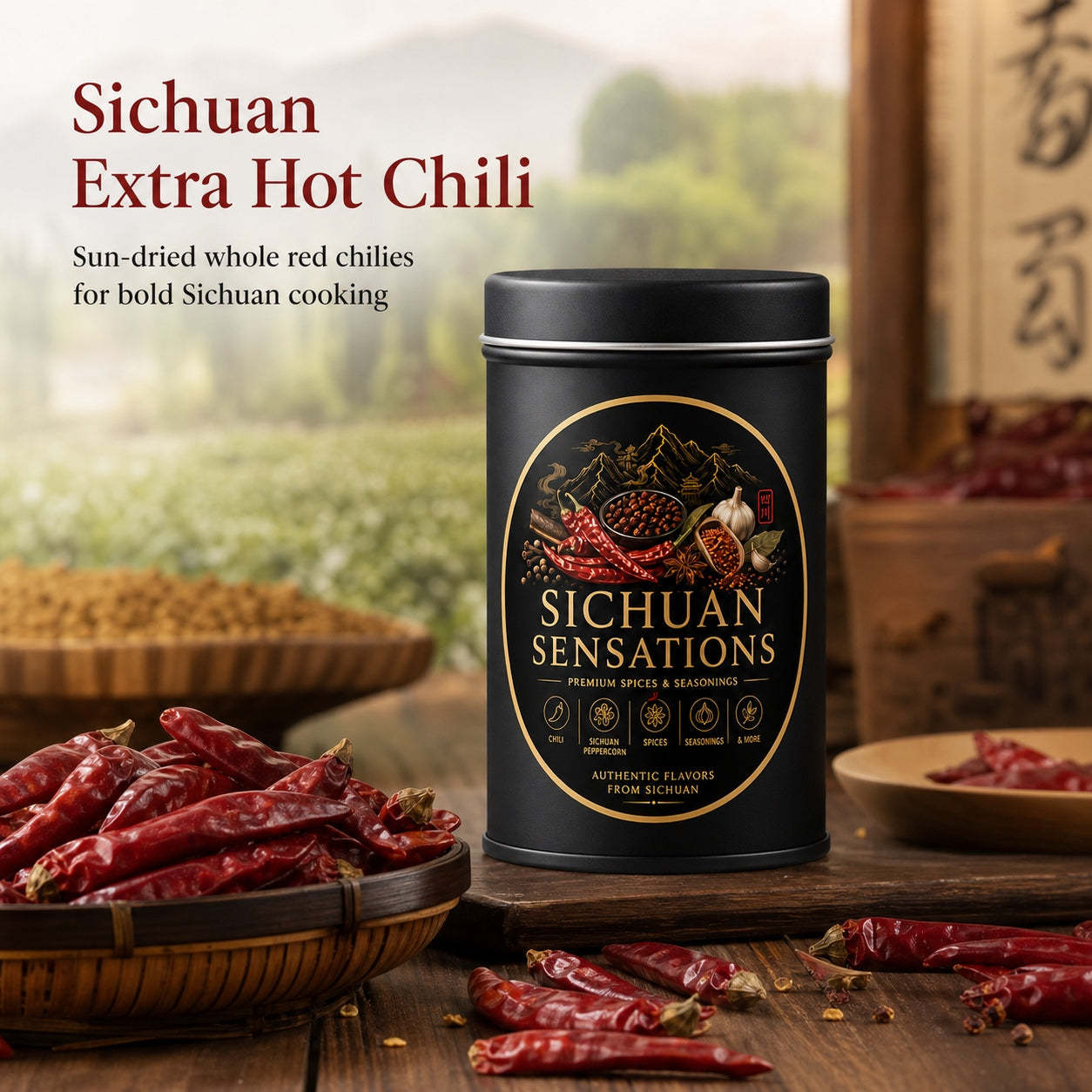
When dried chili hits warm oil, its color deepens and its aroma opens quickly. Keep the oil below the smoking point and stir constantly. If the pieces turn dark brown and the smoke smells sharp, they are scorching rather than blooming.
Other spices and seasonings
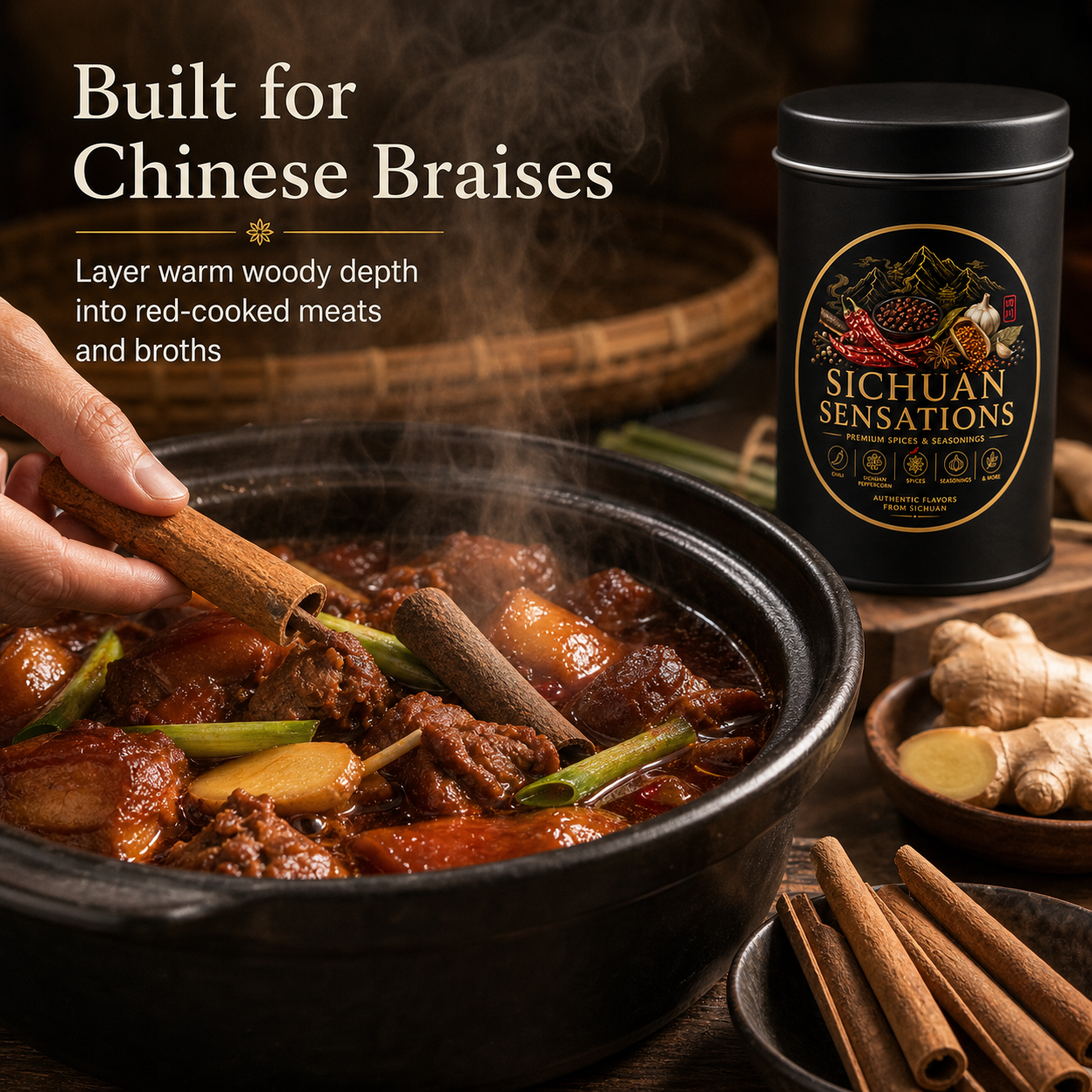
Many mala blends include supporting ingredients, but there is no universal list. Toasted sesame can add nuttiness. Cumin shifts the blend toward the flavor of grilled foods and street snacks. Garlic, ginger, star anise, fennel, cassia, salt, or sugar may appear when the seasoning is designed for a particular dish.
This is why a dry finishing seasoning, a hot pot spice blend, and a snack seasoning can all taste different while still being described as mala.
What does mala spice mix taste like?
"Numbing and spicy" is accurate, but incomplete. A balanced blend smells fragrant before it tastes fiercely hot. You may notice toasted chili first, followed by the warm or citrus-like aroma of peppercorn. The heat builds, and the tingle lingers after the bite.
Salt, sesame, fermented ingredients, or other spices can make a blend more savory. Their presence depends on the formula. They should not be treated as proof that one version is more "authentic" than another.
Mala spice mix vs. mala sauce
The labels are not regulated recipe definitions, but they usually point to different product forms and different ways of cooking.
| Product | Typical form | Common use |
| Mala spice mix or mala seasoning | Dry flakes, crushed spices, or powder | Sprinkling, dry seasoning, roasting, grilling, stir-fries, and chili oil |
| Mala sauce | Pourable or spoonable wet sauce | Noodles, dipping, tossing, and quick cooking |
| Mala paste or hot pot base | Thick, concentrated paste or solid base | Broths, hot pot, dry pot, and longer cooking |
Always check the package. A product called "mala seasoning" may already contain salt, while a hot pot base may contain oil and several seasonings.
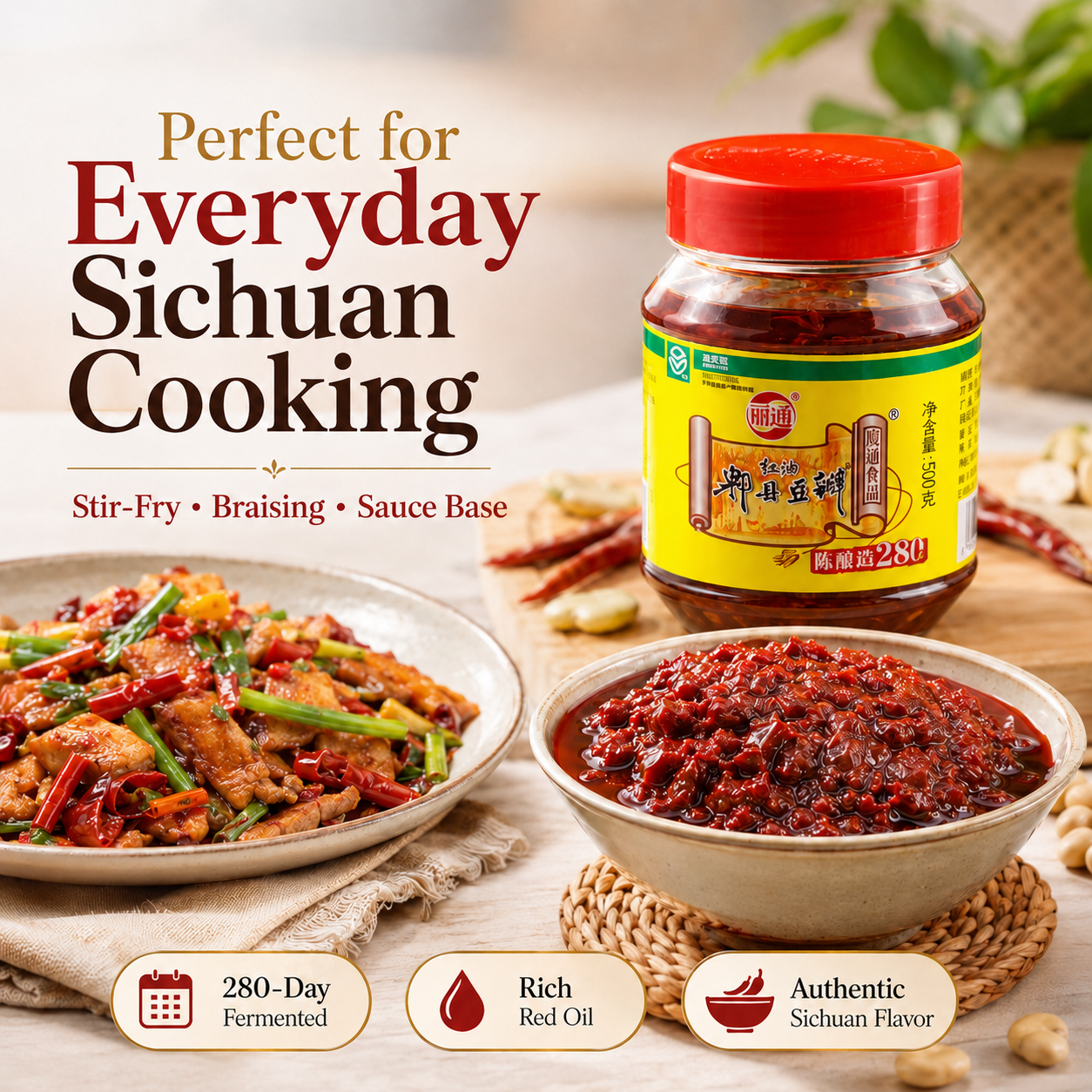
Pixian doubanjiang belongs in a separate category. It is a fermented broad bean and chili paste used for salty, savory depth in dishes such as mapo tofu. It can work alongside chili and Sichuan peppercorn, but it is not a required ingredient in every dry mala spice mix.
How to use mala spice mix
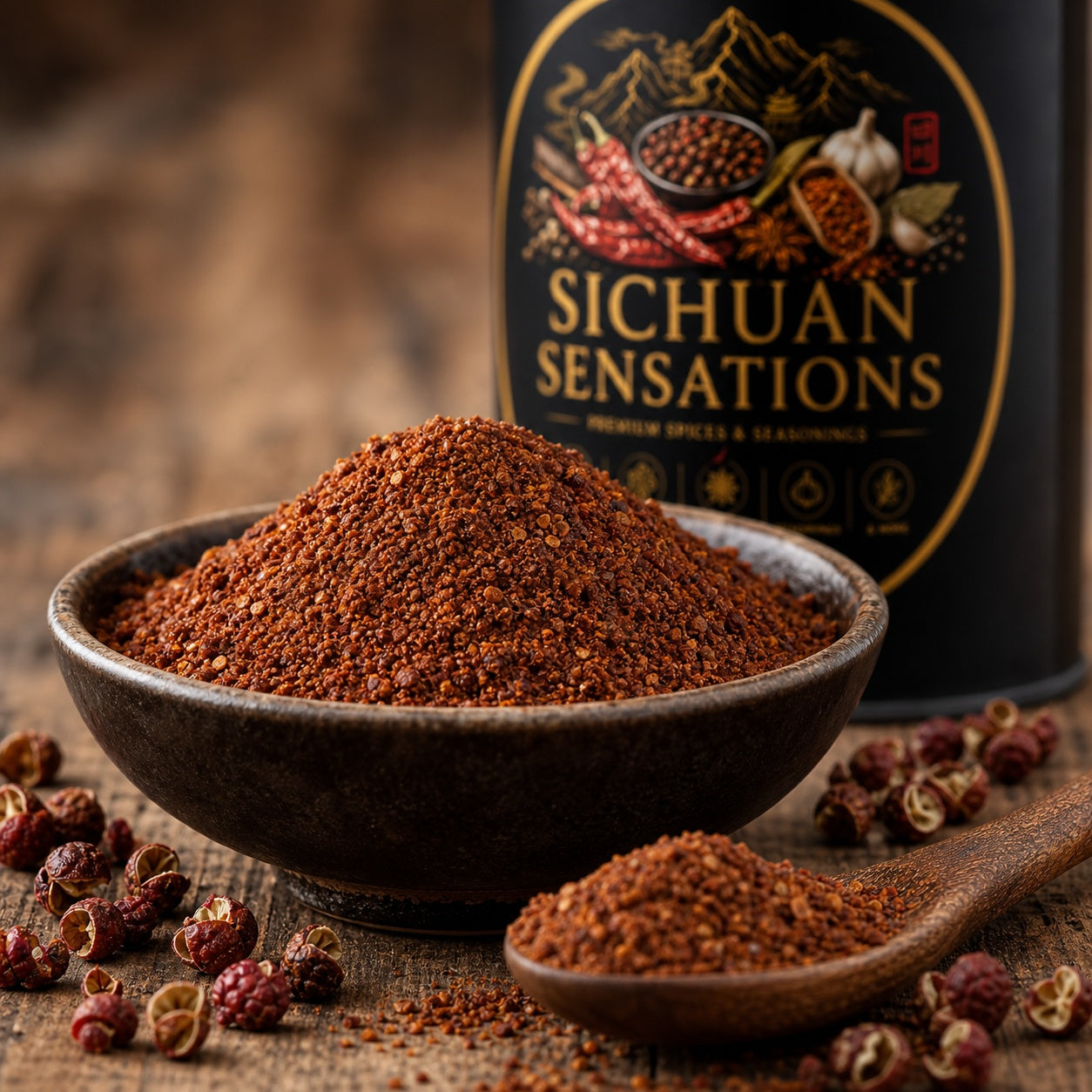
Simple Mala Seasoning Powder Recipe
Dry mala seasoning is easiest to control when added in stages. Begin with a small amount, toss or stir, and taste after the seasoning has met warm food, oil, or broth. The aroma often becomes stronger after heating.
Try it in:
- stir-fried vegetables or mushrooms;
- noodles and fried rice;
- tofu dishes;
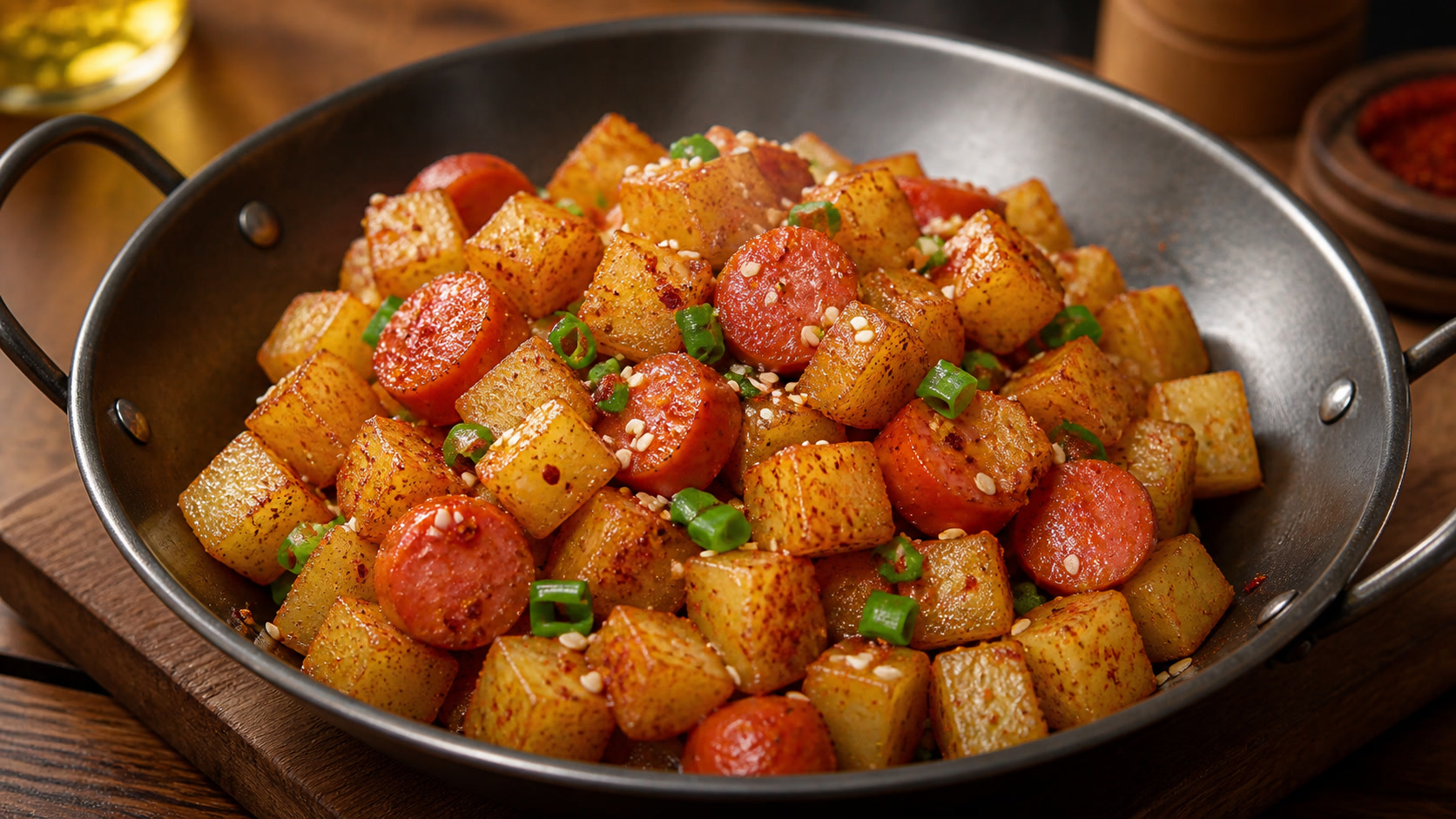
- roasted potatoes or cauliflower;
- grilled chicken, beef, or skewers;
- a dry dipping seasoning;
- chili oil or a hot pot dipping sauce, if the blend's ingredient list suits the recipe.
For roasted or fried foods, add the seasoning while a thin film of oil still coats the surface. It will cling more evenly. In a stir-fry, add it late enough to protect the peppercorn aroma. If you bloom it directly in oil, use medium-low heat and stay at the stove; chili flakes can cross from fragrant to burnt in seconds.
How to build a simple mala flavor at home
You do not need a premixed seasoning to understand the basic structure.
Start with dried chili for heat and aroma. Cut or crush it according to the dish. Warm it briefly in oil until the color deepens and the fragrance rises, then lower the heat or move the pan away from the burner before it darkens too far.
Add toasted, crushed, or freshly ground Sichuan peppercorn for the tingle. Red peppercorn gives a warmer profile; green peppercorn takes the flavor in a fresher direction. Choose one or combine them only when that suits the dish.
Then season for the food you are cooking. Salt may be enough for roasted potatoes. Noodles may need soy sauce, vinegar, sesame paste, or stock. Mapo tofu relies on doubanjiang and other ingredients to build its sauce. Mala is the heat-and-tingle structure, not the entire recipe.
Recipes to try
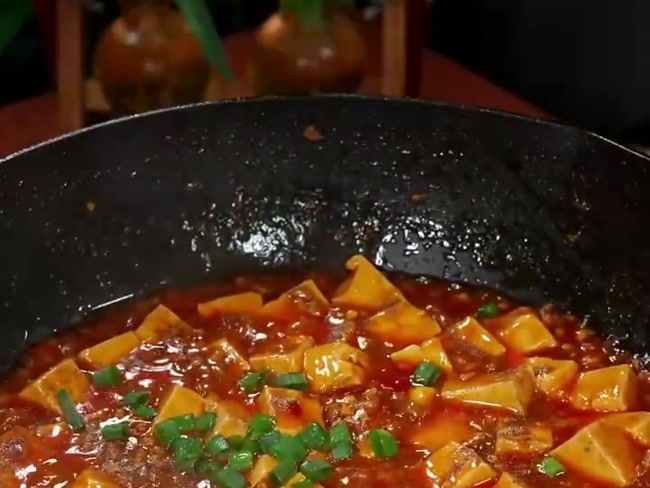
Mapo tofu is a direct example of chili and Sichuan peppercorn working with fermented bean paste in a complete dish.
Build your mala pantry
If you prefer to control each part of the flavor, begin with whole dried chili and one kind of Sichuan peppercorn. Red peppercorn is a versatile place to start for warm, cooked dishes. Green peppercorn is useful when you want a brighter aroma. An extra-hot dried chili makes sense when you deliberately want stronger heat, not as a default choice for every recipe.
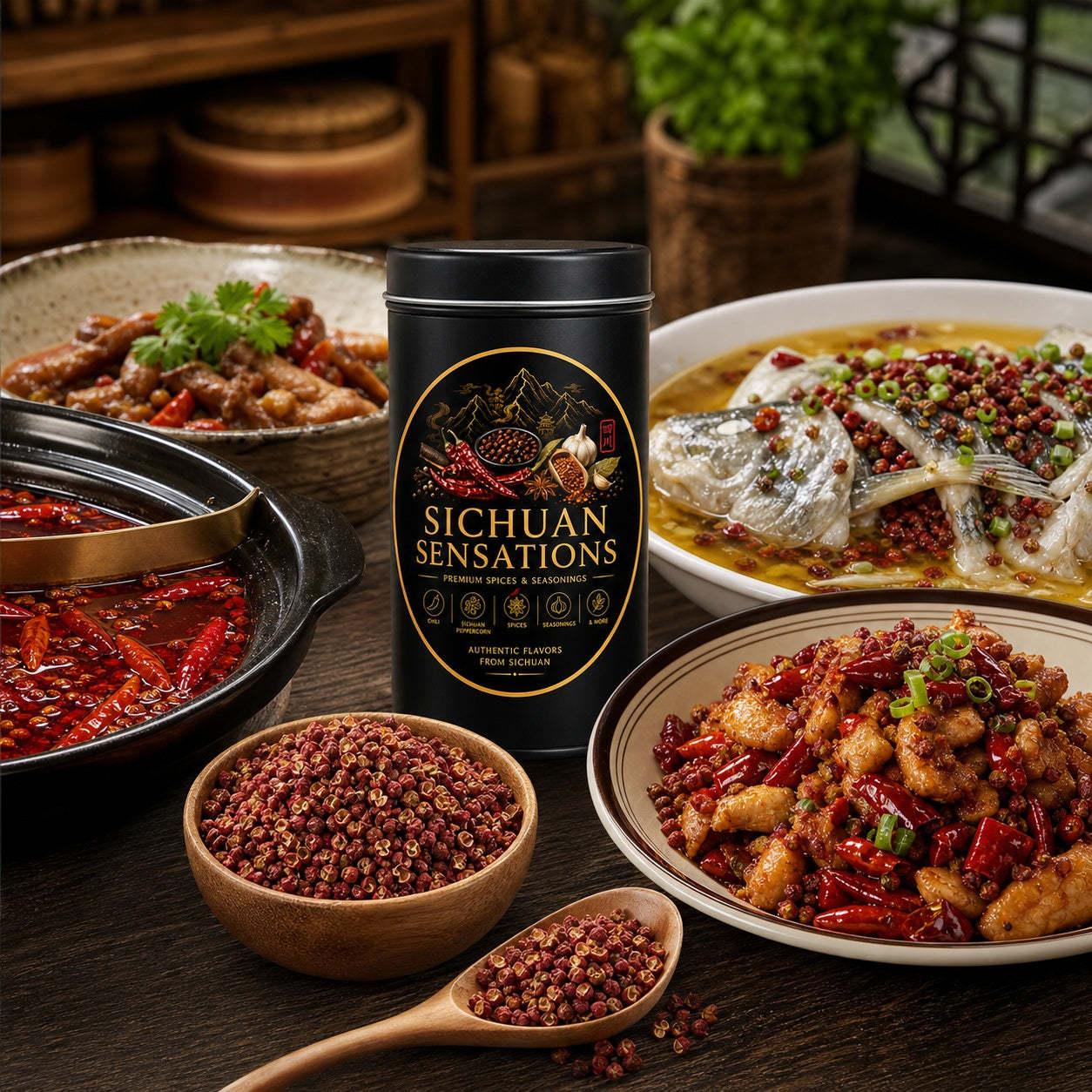
Build slowly and taste as you go. The best mala flavor still lets you taste the tofu, vegetables, meat, or noodles underneath.