
Hong shao rou is Chinese red-braised pork belly. Recipes differ from one household to another, but the basic idea stays the same: pork belly cooks slowly in a sweet-savory soy sauce until tender, then the liquid is reduced to a glaze. The red-brown color comes from caramelized sugar and dark soy sauce, not tomato.
For about 4 servings, use 1.3 lb / 600 g pork belly, 1 teaspoon neutral oil, 2 tablespoons rock sugar, 3 scallions, 5 ginger slices, 2 star anise pods, 1 small piece cassia bark, 2 bay leaves, 2 or 3 whole dried chilies, 1 tablespoon Chinese cooking wine, 2 tablespoons light soy sauce, 1 teaspoon dark soy sauce, boiling water, salt, and optional MSG. Keep a little chopped scallion for the finish.
Step 1: Render and brown the pork belly
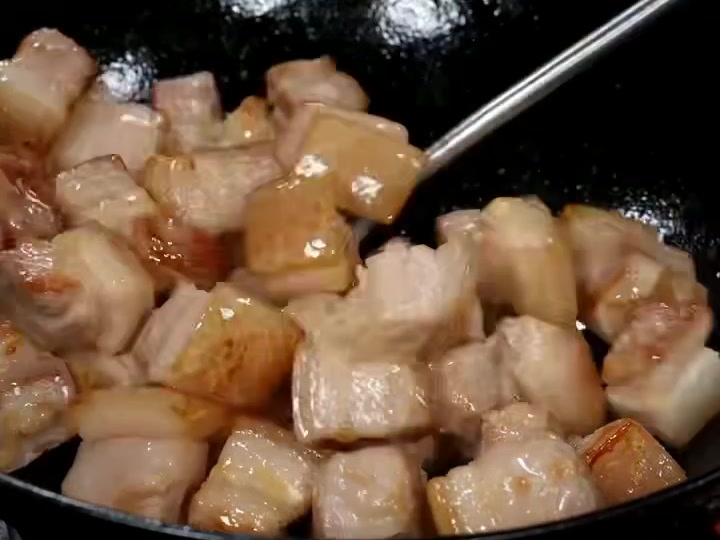
Heat the oil in a wok or heavy pan. Add the pork belly and cook over medium-low heat, stirring often. The pieces will first release water, then begin to sizzle as the fat renders. Continue until the edges are lightly browned. Transfer the pork to a plate and leave a thin layer of fat in the wok.
Step 2: Cook the rock sugar
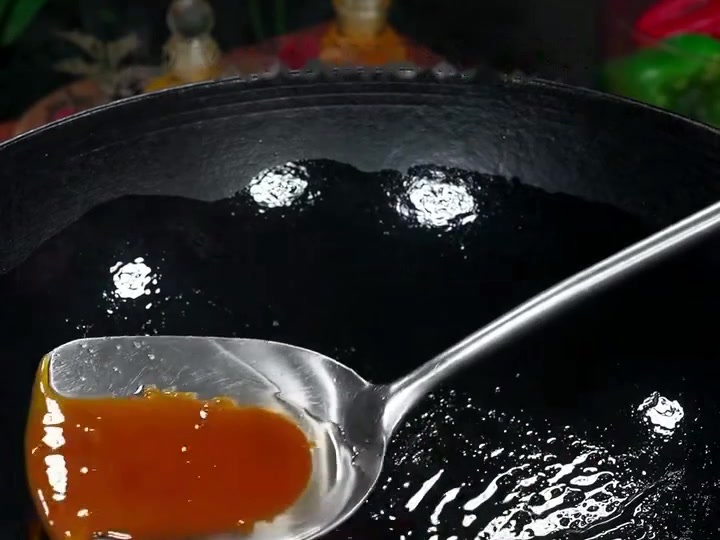
Add the rock sugar and keep the heat low. Let it melt slowly. Once the syrup changes from pale gold to deep amber, return the pork immediately and toss until every piece has a thin coating. Do not wait for the sugar to smoke; dark caramel turns bitter quickly.
Step 3: Add the aromatics and seasonings
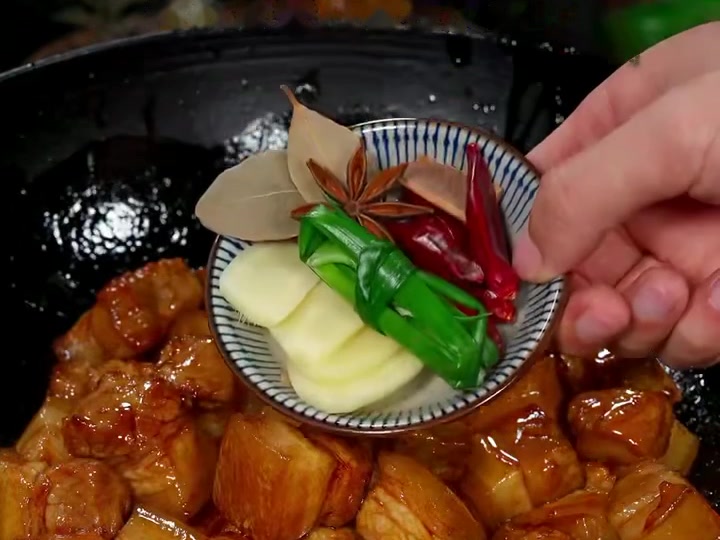
Add the scallion, ginger, star anise, cassia bark, bay leaves, and whole dried chilies. Stir briefly in the hot fat. Pour the cooking wine around the hot side of the wok, then add the light soy sauce and a small amount of dark soy sauce. Keep stirring until the sharp alcohol smell fades and the sauce smells savory and aromatic.
Why star anise and cassia bark work here
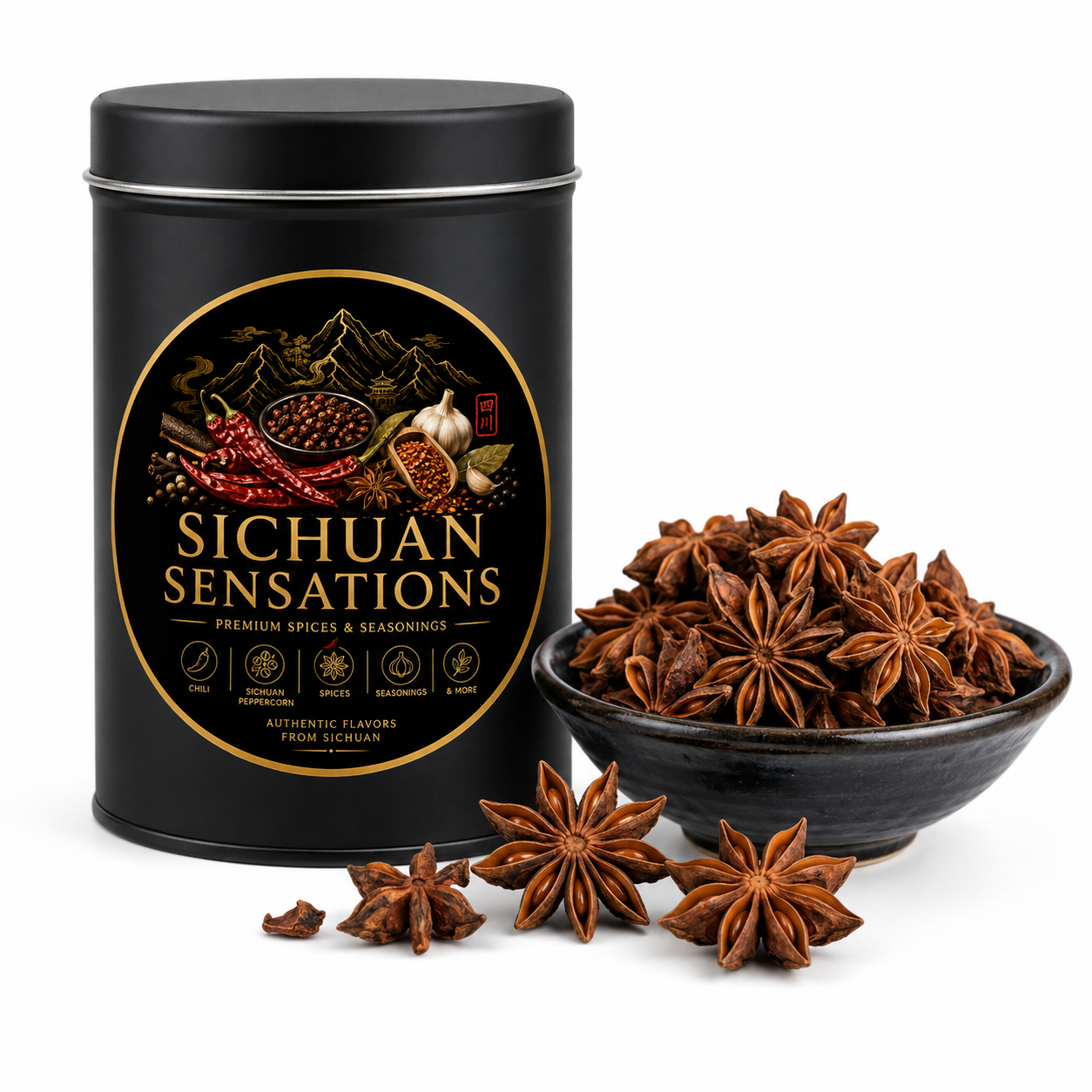
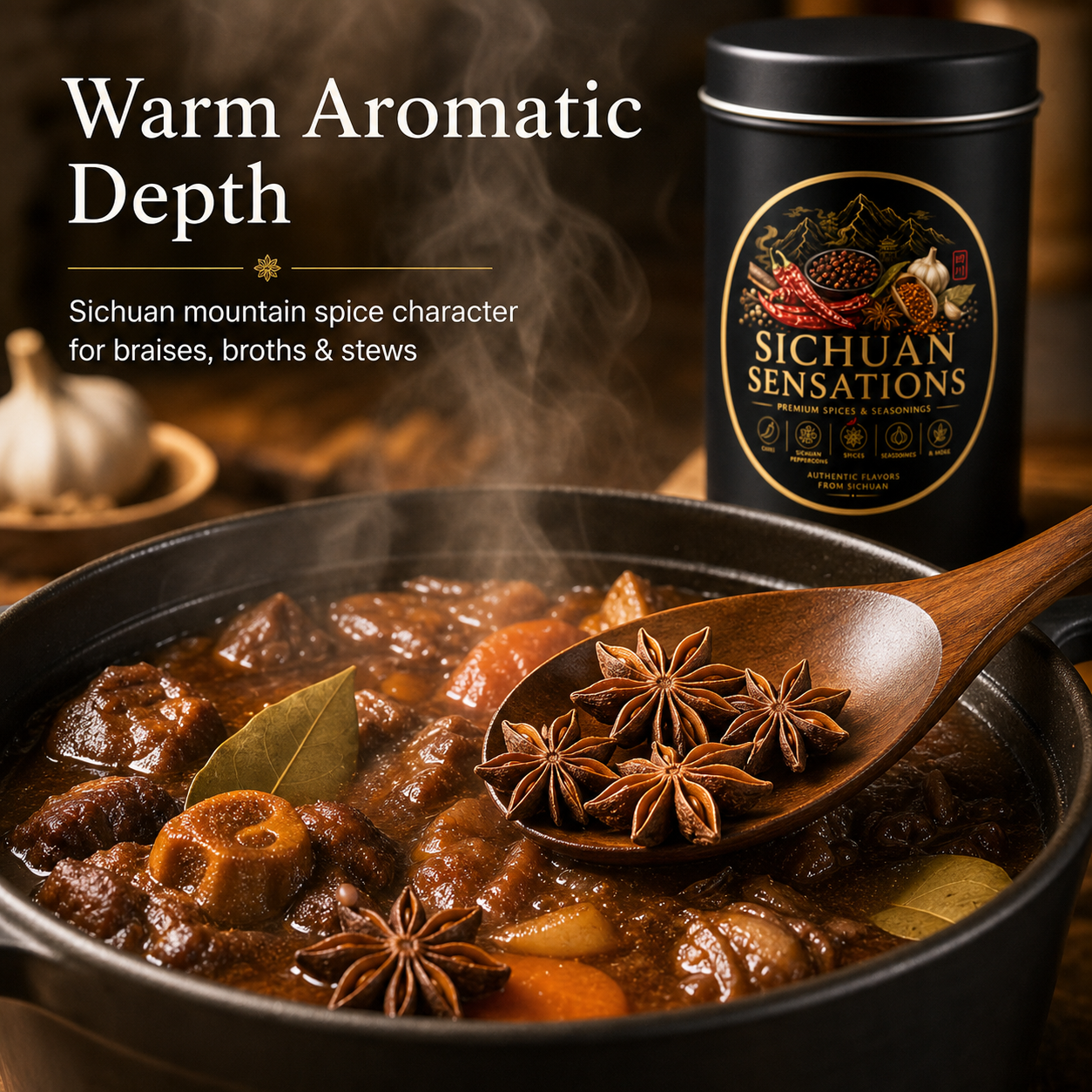
Star anise gives the braising liquid a warm, lightly sweet aroma. Two pods are enough for a medium pot of pork.
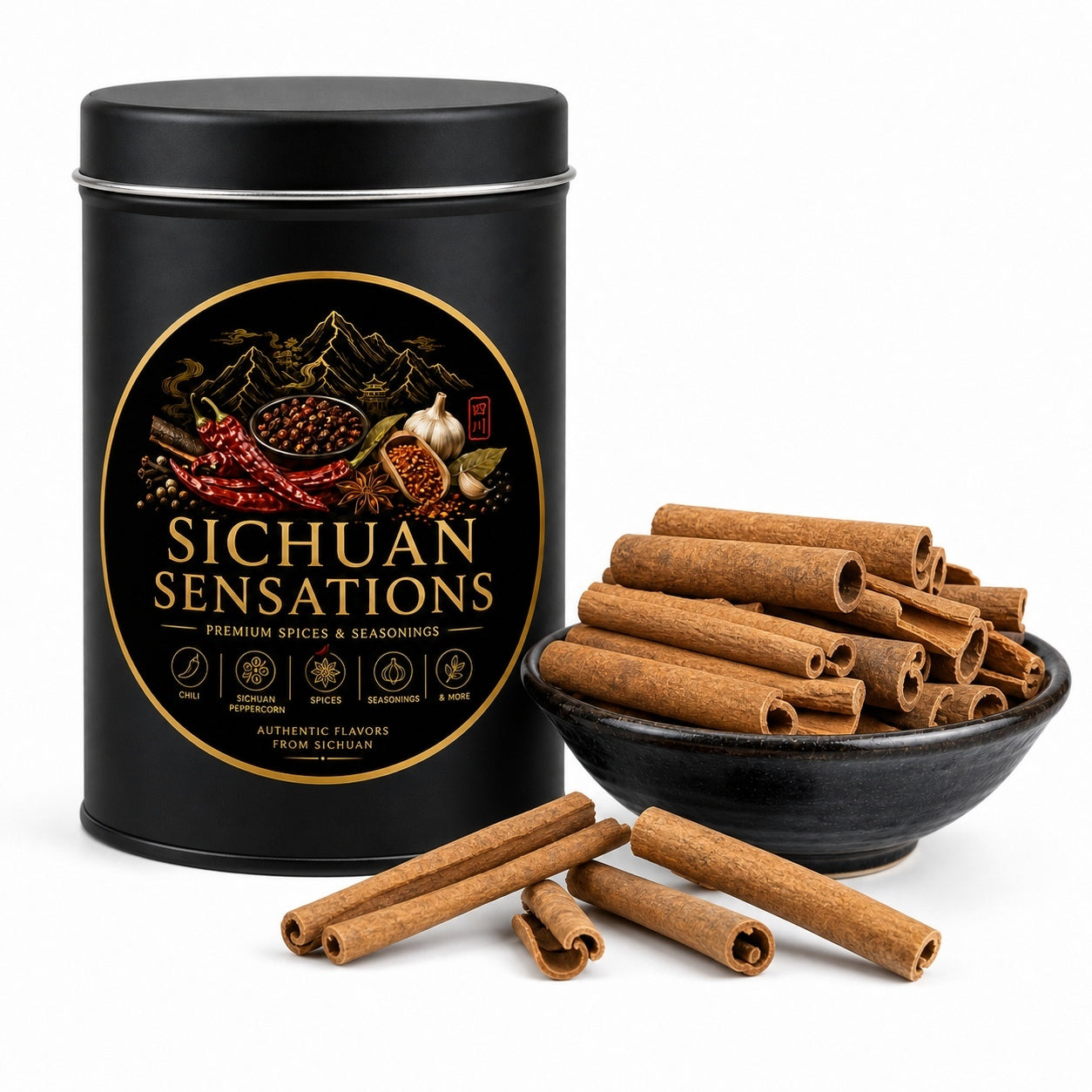
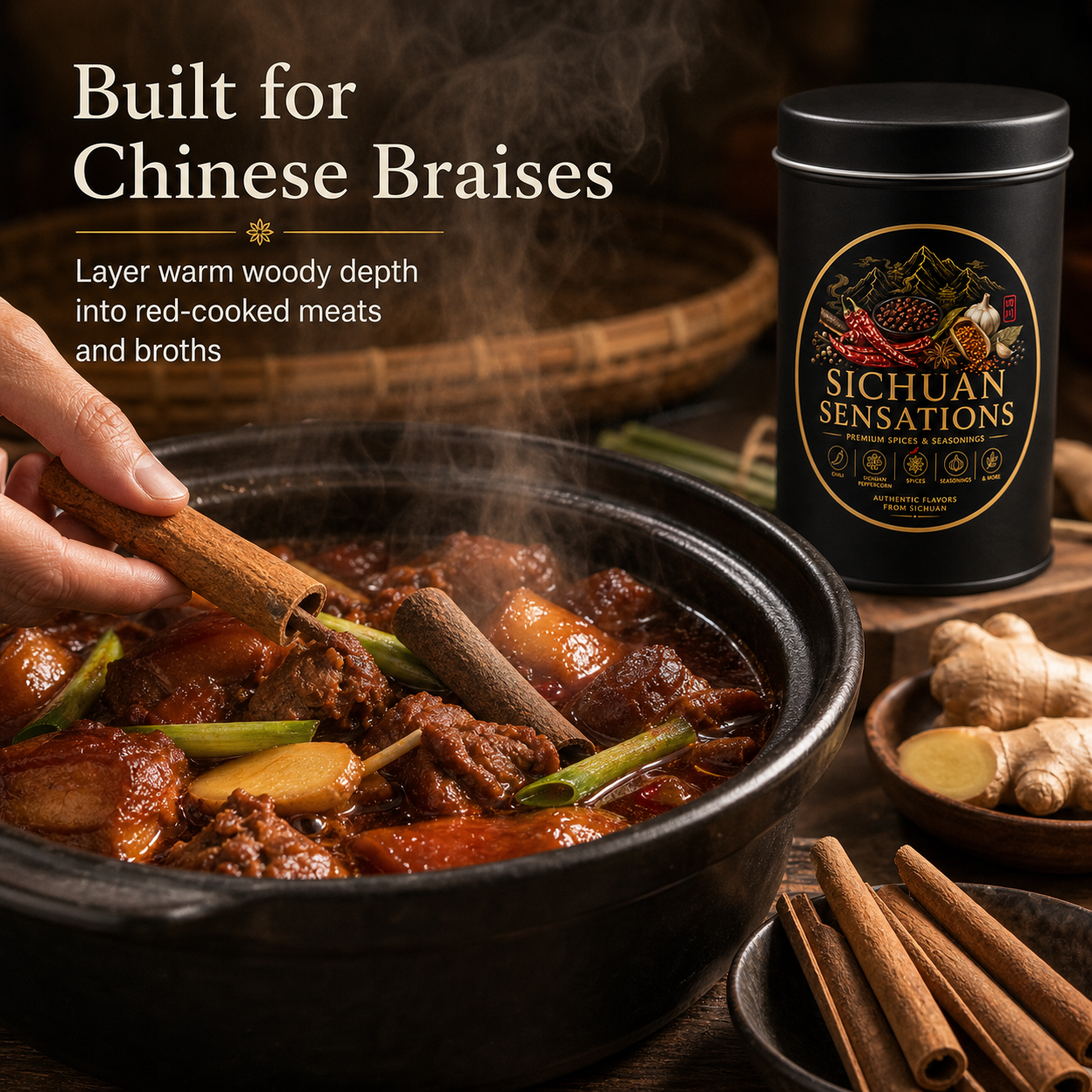
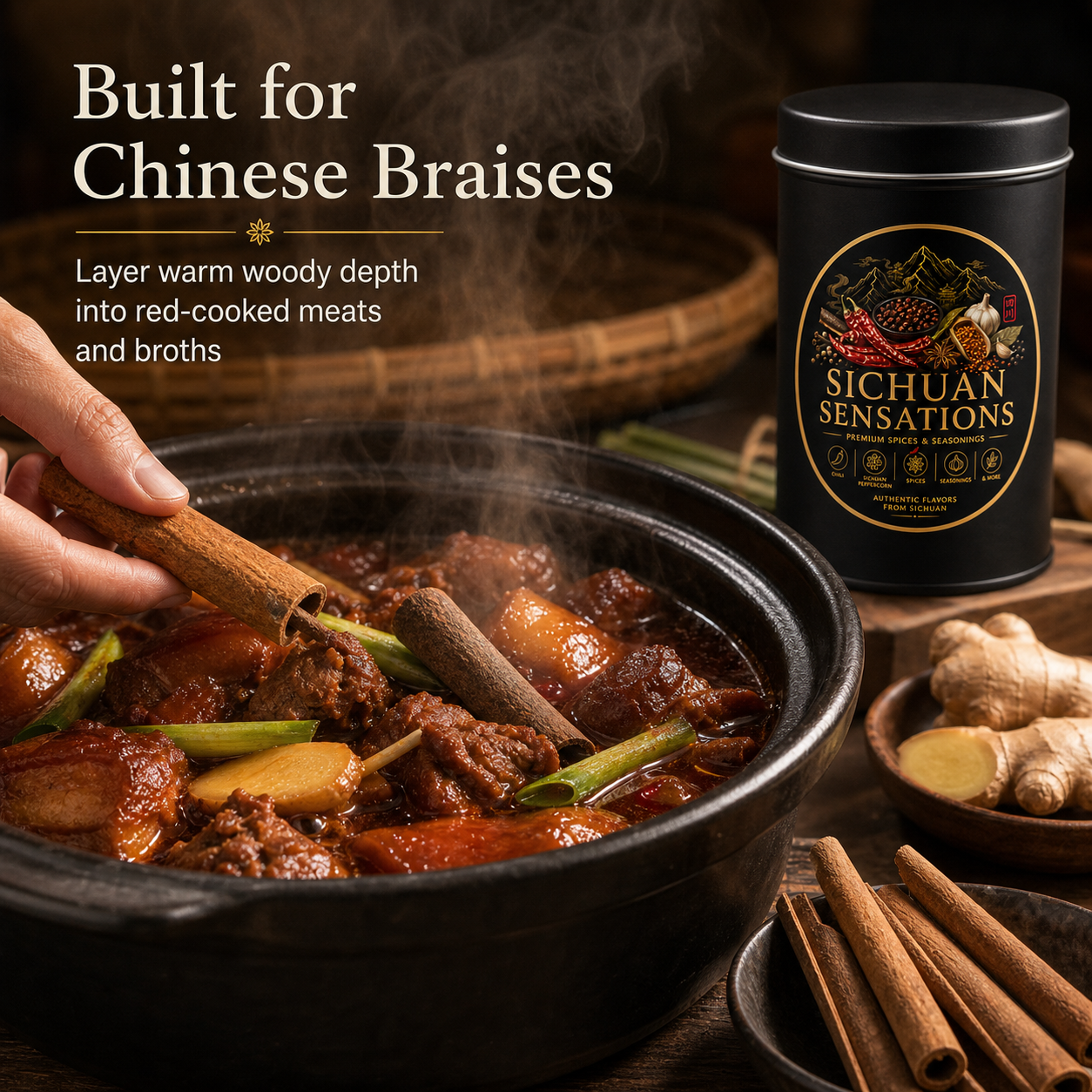
Cassia bark sits behind the soy sauce and caramel with a dry, woody warmth. Use only a small piece of [Sichuan Sensations Whole Cassia Bark]. Too much can overpower the pork during a 40-minute braise.
Step 4: Add boiling water and simmer
Pour in enough boiling water to cover the pork. Bring the liquid back to a gentle simmer, cover the wok, and cook over low heat for about 40 minutes. Check once or twice. If the liquid is disappearing too quickly, add a small splash of boiling water rather than cold water.
Step 5: Season and reduce the sauce
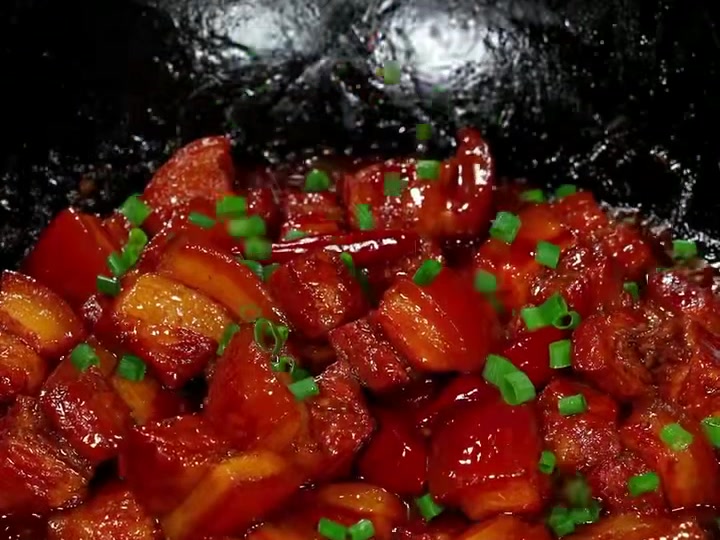
Add salt and a little MSG if you use it. Remove the lid and raise the heat. Stir gently as the liquid reduces. The pork is ready when the bubbles become small and syrupy and the sauce clings to the meat. Stop while a little sauce remains in the wok because it will thicken further as it cools.
Serving and practical tips
Serve the pork with hot rice and a simple green vegetable. Remove the star anise, cassia bark, bay leaves, ginger, and large scallion pieces before serving. If the finished dish tastes bitter, the sugar was probably cooked too dark. If the sauce is thin, it needs a few more minutes uncovered over higher heat.