What Is Mala Spice Mix? Ingredients, Flavor and How to Use It
Mala is easy to recognize and surprisingly hard to describe with one English word. Chili brings the heat, but Sichuan peppercorn adds a fragrant tingle that changes the way the whole dish feels. Put the two together and you get *mala*, one of the defining flavor combinations in Sichuan cooking.
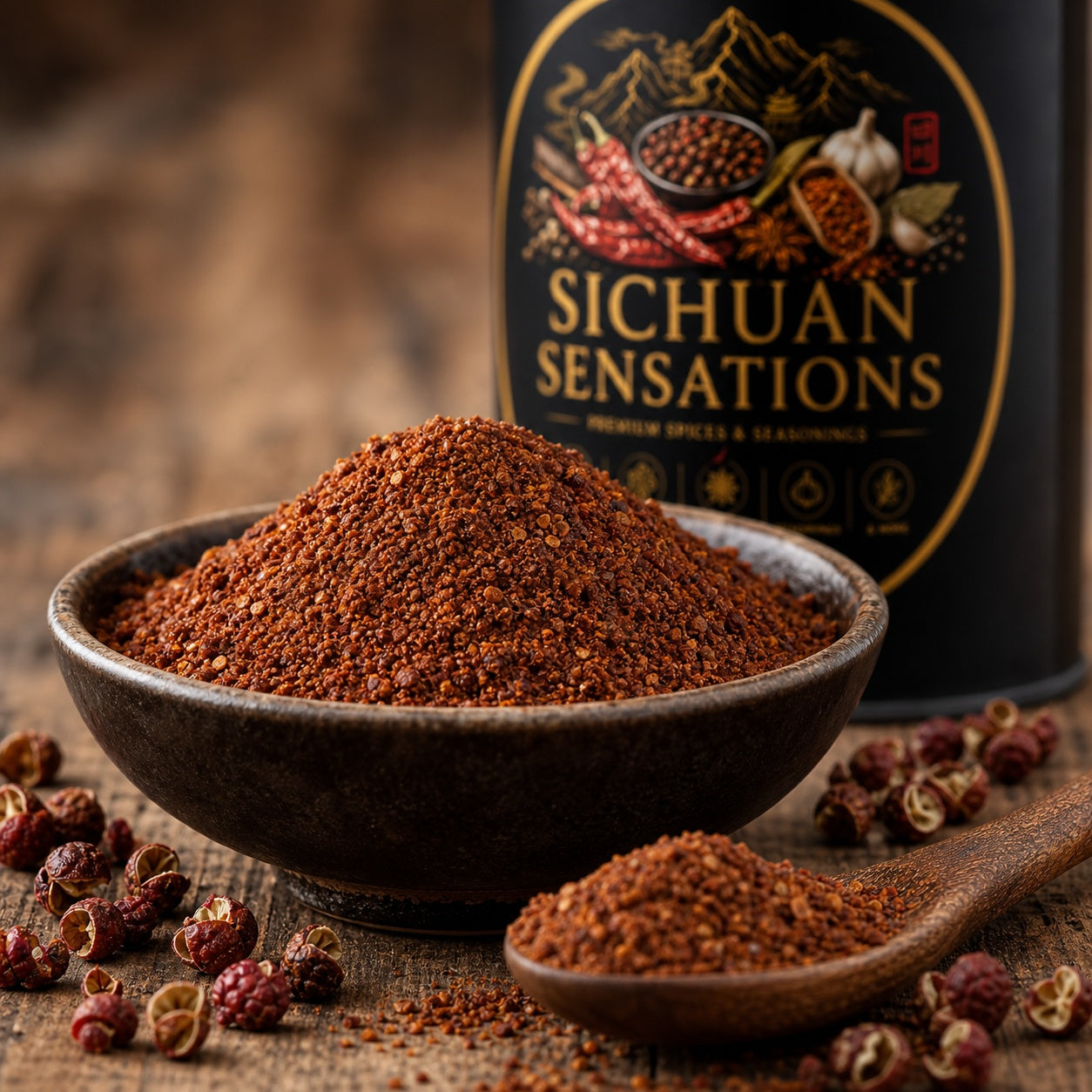
A mala spice mix is usually a dry blend built around chili and Sichuan peppercorn. The exact formula is not fixed. Some blends are coarse and chili-forward; others contain finely ground peppercorn or supporting spices. What matters is the relationship between *ma*, the tingle, and *la*, the chili heat.
What Is in a Mala Spice Mix?
The shortest answer is Sichuan peppercorn and dried chili. Depending on the intended use, a blend may also contain salt, sesame, cumin, garlic, ginger or other spices. Check the ingredient list rather than assuming every product is the same, especially if you need to avoid a particular ingredient.
Sichuan Peppercorn Supplies the “Ma”
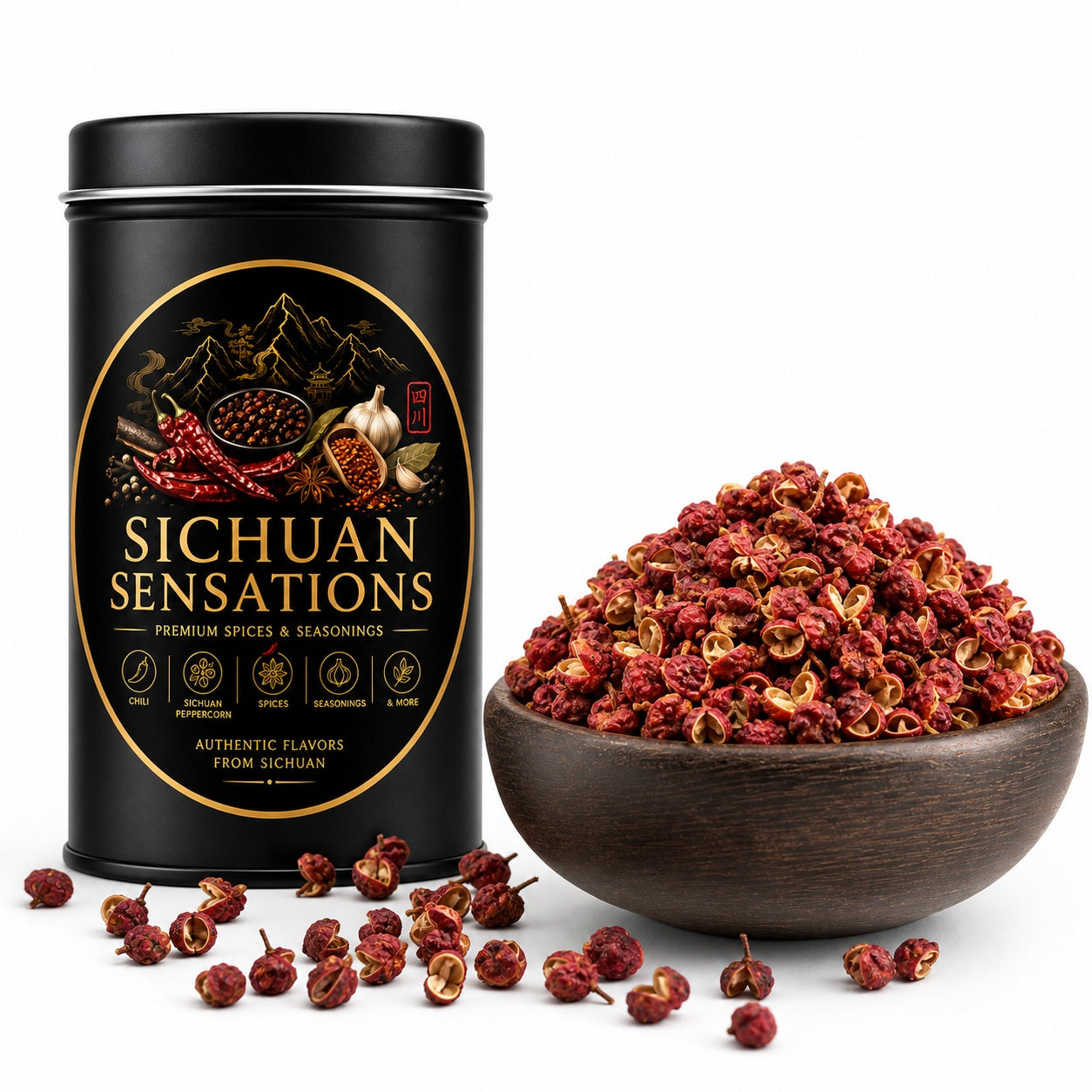
Sichuan peppercorn is responsible for the mouth-tingling side of mala. It does not behave like black pepper, and its character is not simply another kind of heat. Good peppercorns release a distinct aroma when lightly crushed or warmed. Whole red peppercorns tend to suit deep, warm-tasting dishes such as braises, hot pot and mapo tofu, while green varieties are often chosen for a brighter profile.
Heat peppercorns gently. If the oil is smoking or the husks turn very dark, the fresh fragrance quickly gives way to bitterness. In many dishes, adding part of the ground peppercorn near the end preserves more of its aroma.
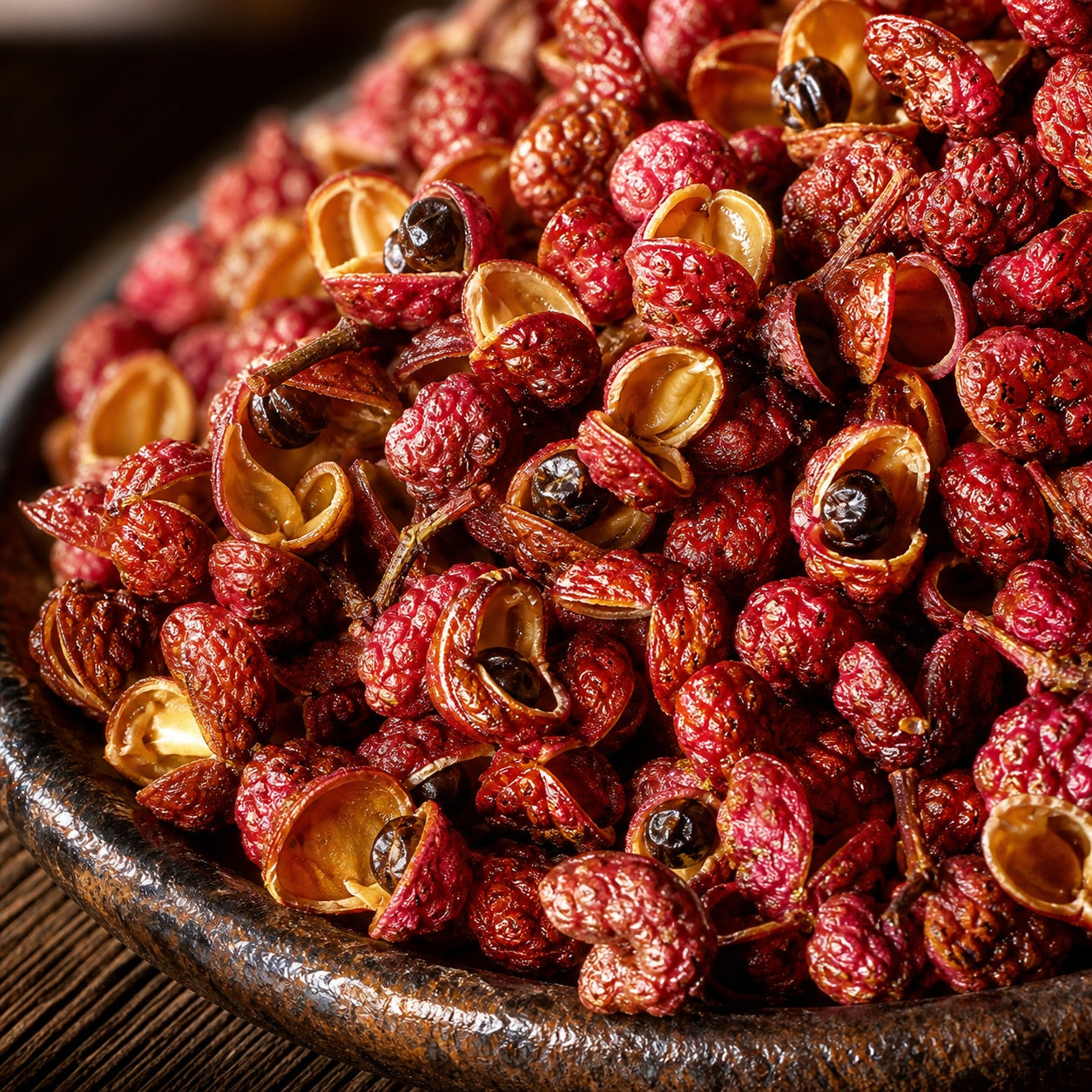
Read the [Hanyuan Sichuan Peppercorn guide](/blogs/news/hanyuan-sichuan-peppercorn-red-vs-green-guide) for a closer look at red and green peppercorns and how they are used.
Dried Chili Supplies the “La”
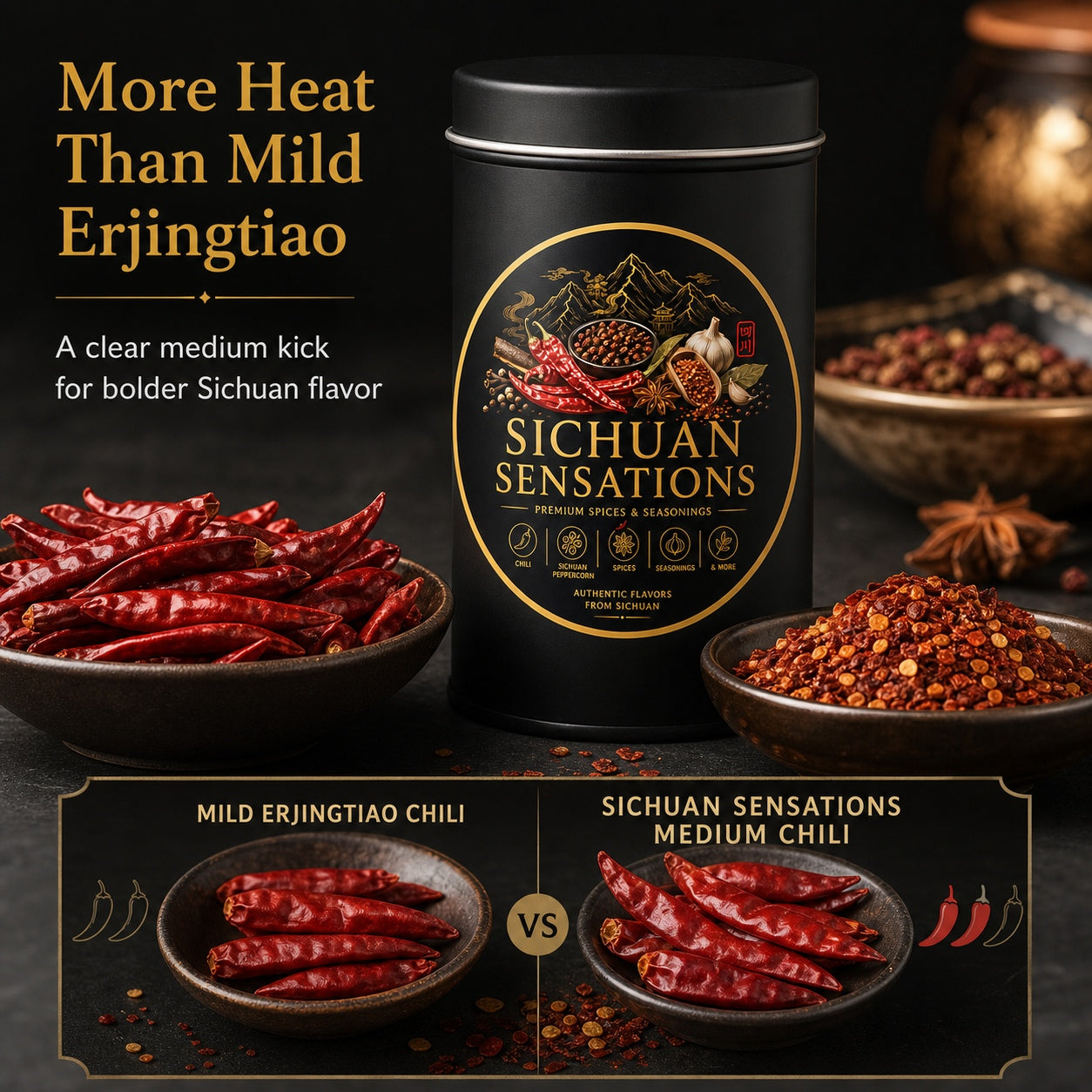
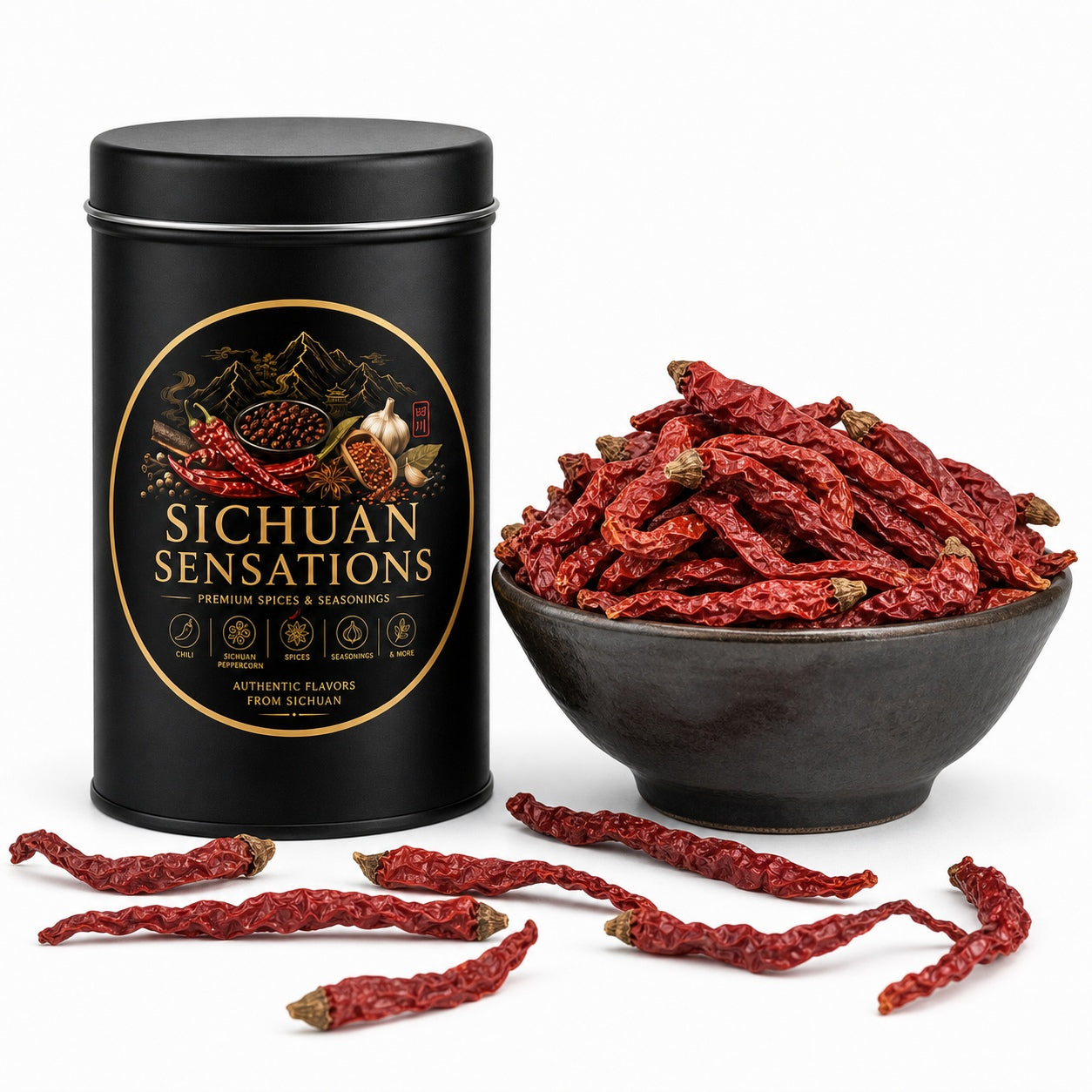
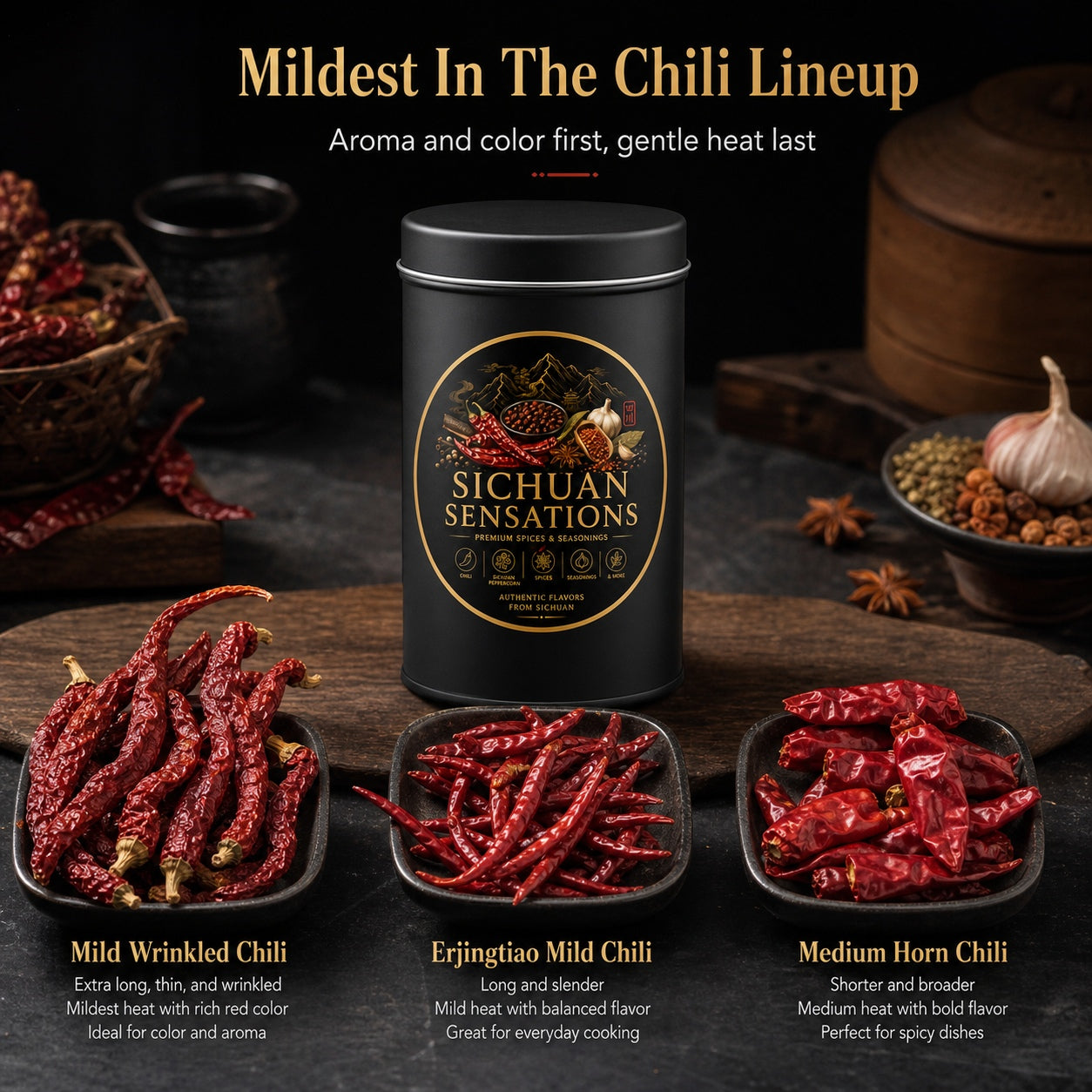
Dried chili provides the heat, red color and toasted chili aroma. A hotter chili does not automatically make a better mala blend. The chili needs enough fragrance to stand beside the peppercorn rather than flattening everything into raw heat.
When chili flakes hit warm oil, their color deepens and the aroma opens within seconds. Keep the heat controlled and stir continuously. Dark brown flakes and sharp smoke are warning signs that the chili is scorching.
What Does Mala Taste Like?
“Numbing and spicy” is accurate, but incomplete. A well-balanced mala seasoning is aromatic first: toasted chili, citrusy or woody peppercorn notes, then heat and a spreading tingle. Salt and savory ingredients may round out a particular blend, but they are not what defines mala.
How to Use Mala Seasoning
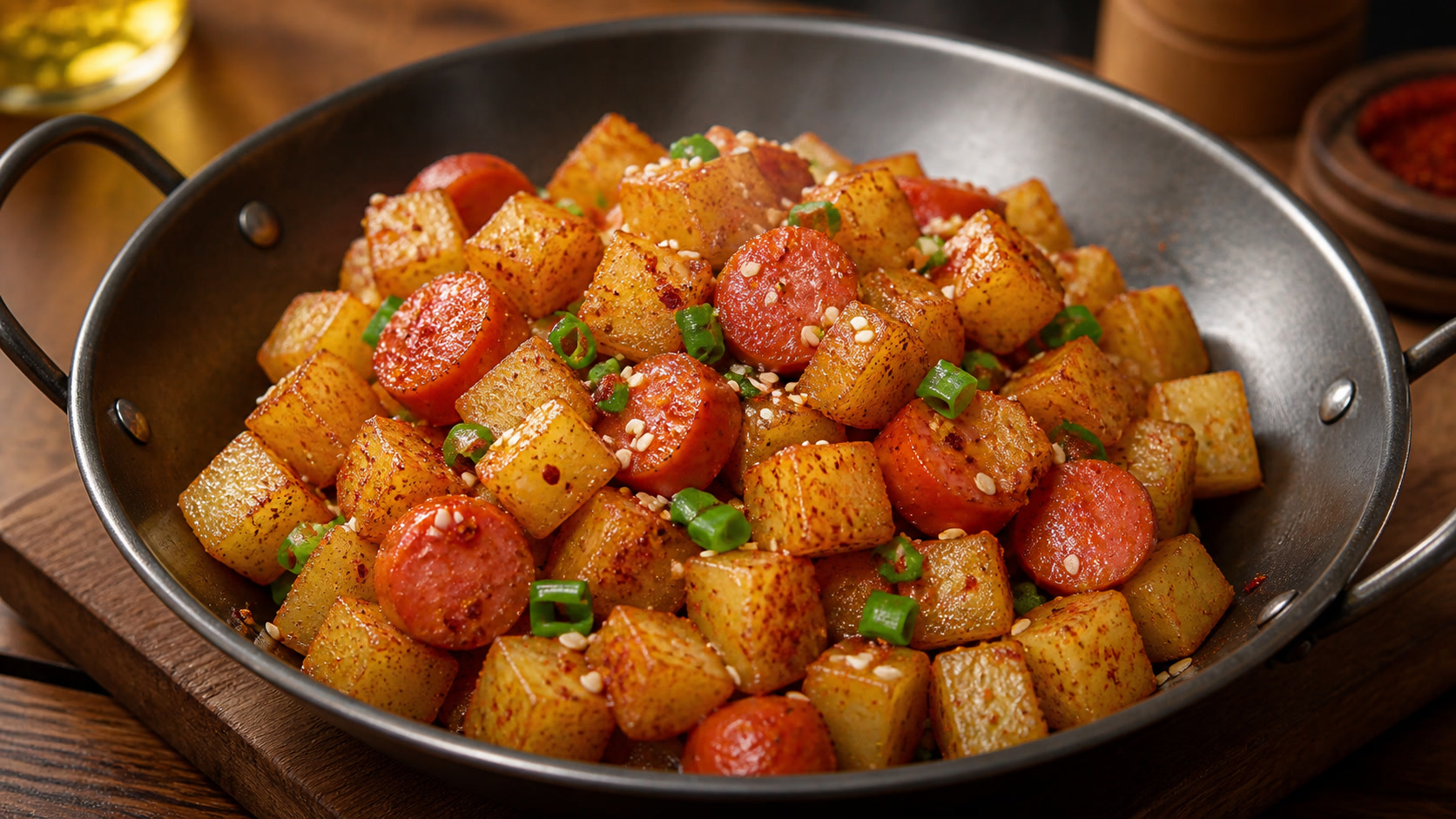
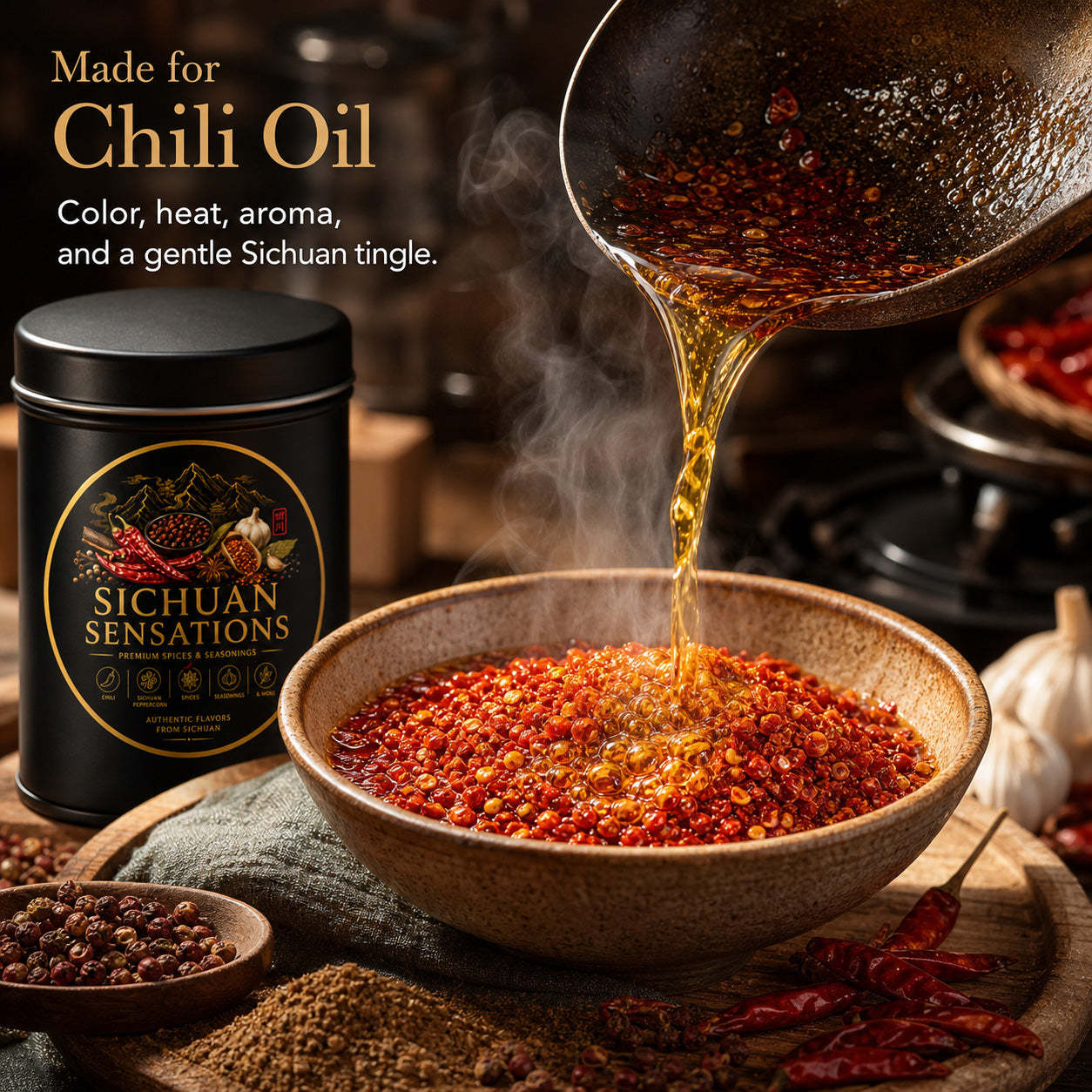
Start with a small amount and taste after the seasoning has met heat, oil or hot broth. Dry mala seasoning works well on roasted potatoes, noodles, tofu, mushrooms, chicken wings and stir-fried vegetables. It can also be stirred into a dipping sauce or used as the aromatic base for chili oil, depending on the product formula.
For a quick finish, sprinkle it over food immediately after frying or roasting, while a thin film of oil still helps the spices cling. For stir-fries, add it late enough to protect the peppercorn and chili aromas. If you are blooming the blend in oil, use medium-low heat and watch the color closely.
The easiest way to adjust intensity is in stages. Add a little, toss, taste, and add more if needed. This gives you more control than trying to rescue a dish that has become too salty, hot or numbing.
Mala Spice Mix, Mala Sauce and Mala Paste
These labels are sometimes used loosely, so the package matters more than the name.
| Product type | Typical form | Useful for |
| Mala spice mix | Dry flakes or powder | Sprinkling, dry seasoning, roasting, stir-fries and chili oil |
| Mala sauce | Pourable or spoonable sauce | Tossing noodles, dipping and quick cooking |
| Mala paste or base | Thick, concentrated paste | Broths, hot pot, dry pot and longer cooking | |
Where Does Pixian Doubanjiang Fit?
Pixian doubanjiang is important in Sichuan cooking, but it is not another name for mala spice mix. It is a fermented broad-bean and chili paste with a salty, deeply savory character. In mapo tofu, for example, doubanjiang builds the sauce while chili and Sichuan peppercorn shape the dish’s heat and tingle.
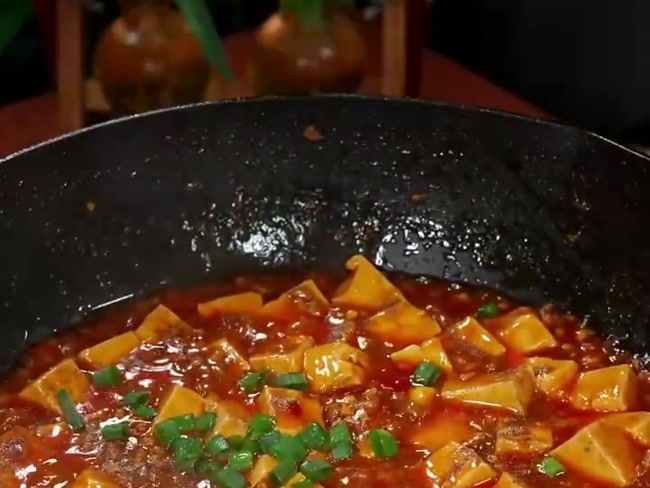
See how the ingredients work together in our [authentic mapo tofu recipe]
Build Mala Flavor from Separate Spices or Use a Blend?
Separate chilies and whole peppercorns give you the most control. You can toast, grind and adjust each one for the dish in front of you. A ready blend is faster and keeps the two core flavors together, which is useful for noodles, chili oil, roasted vegetables and everyday stir-fries.
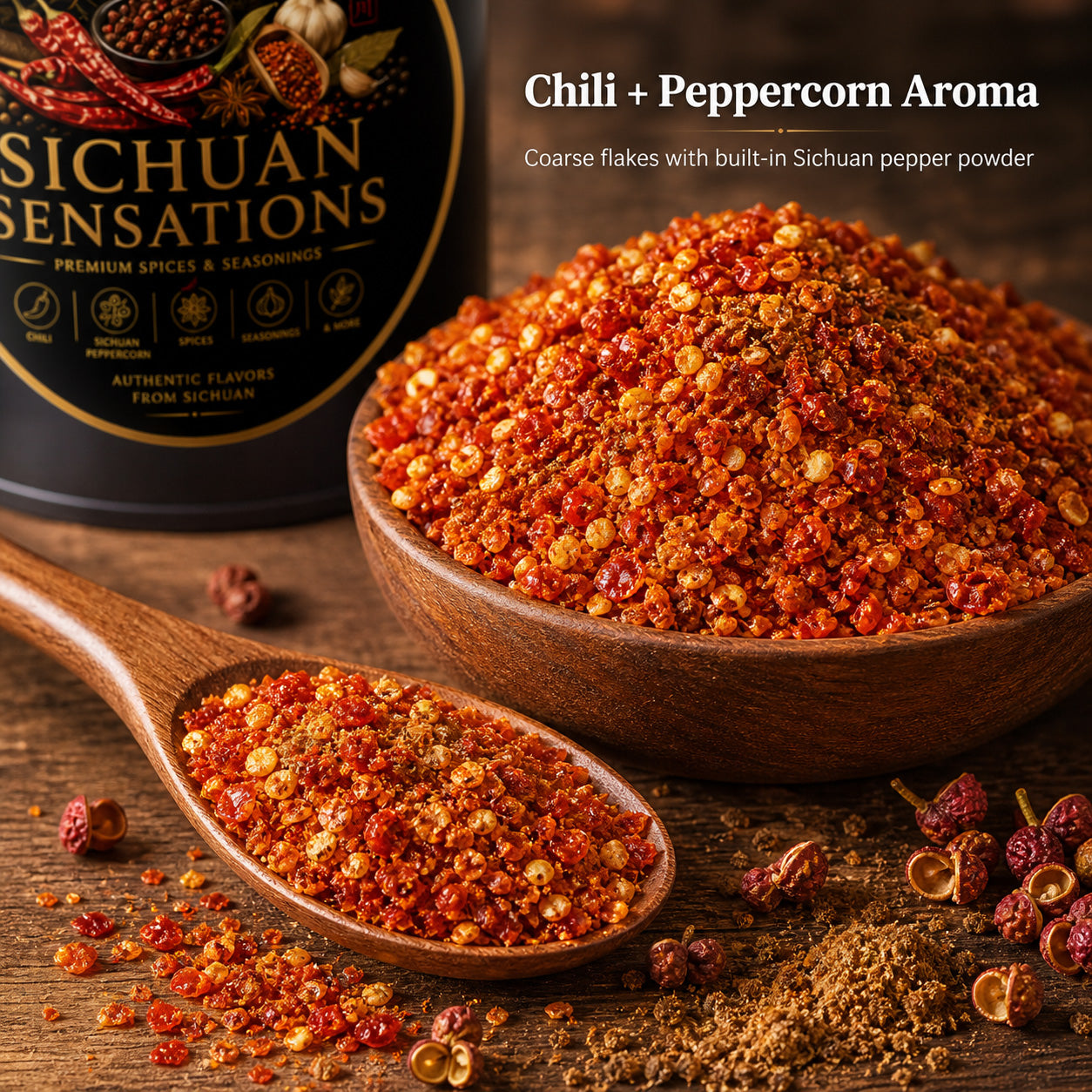
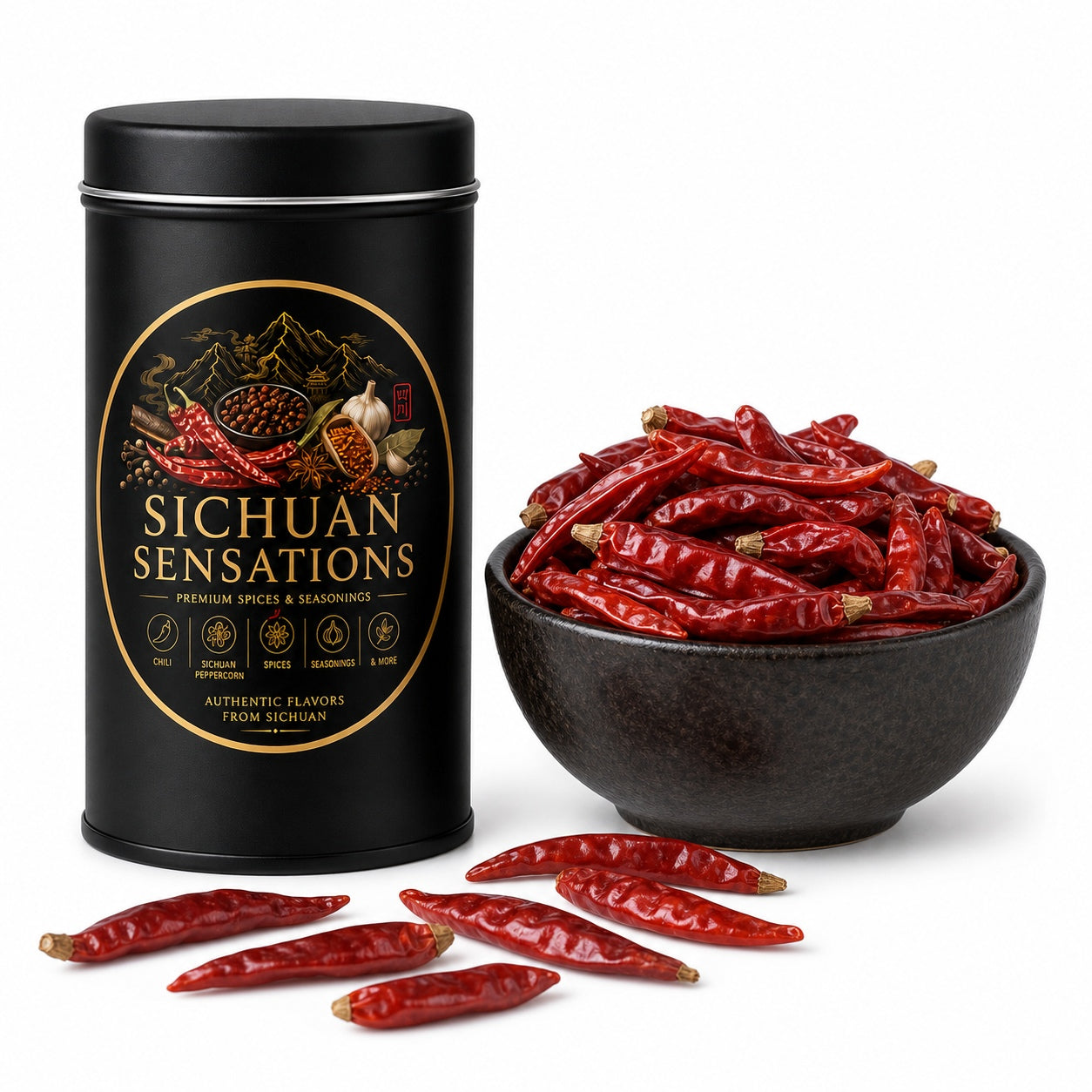
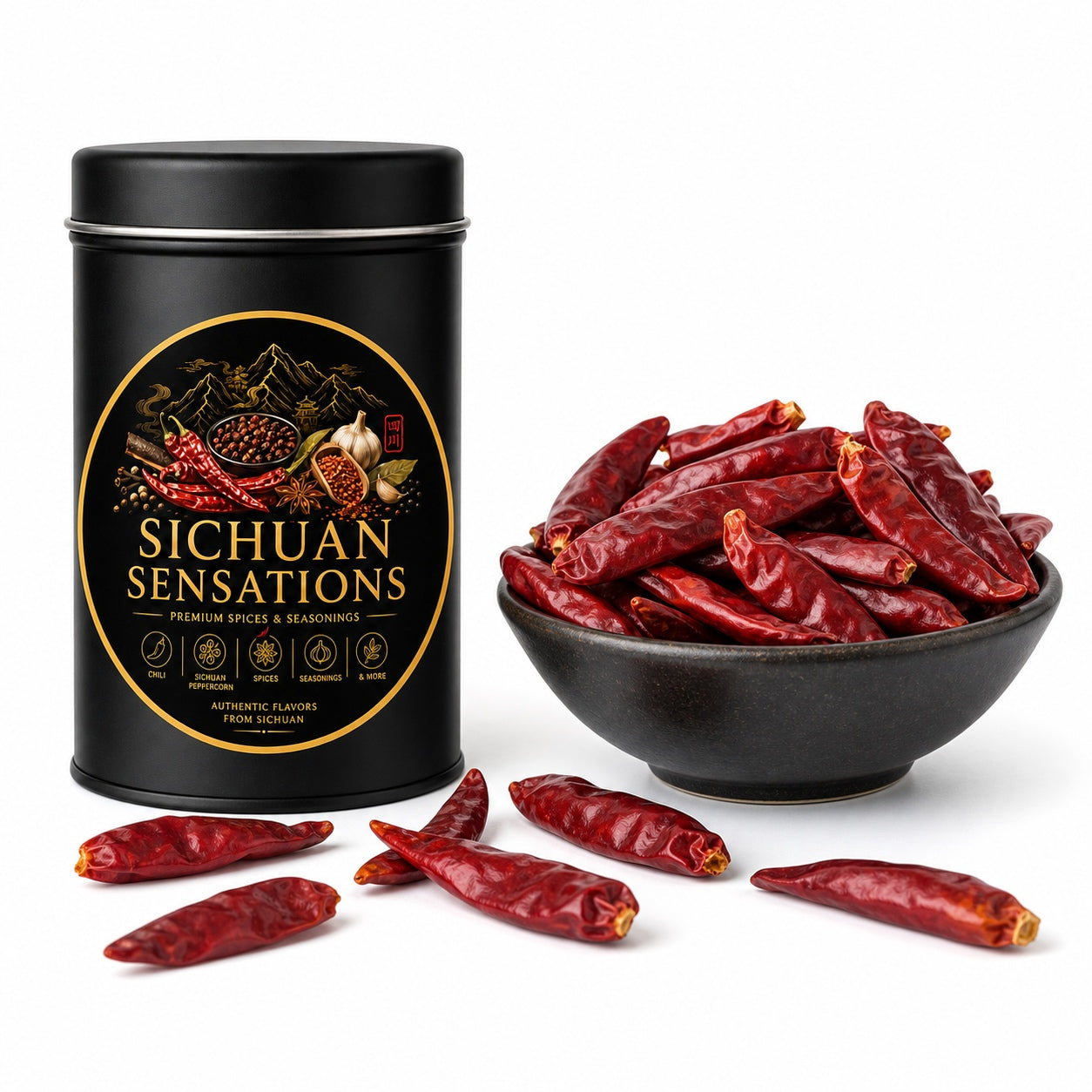
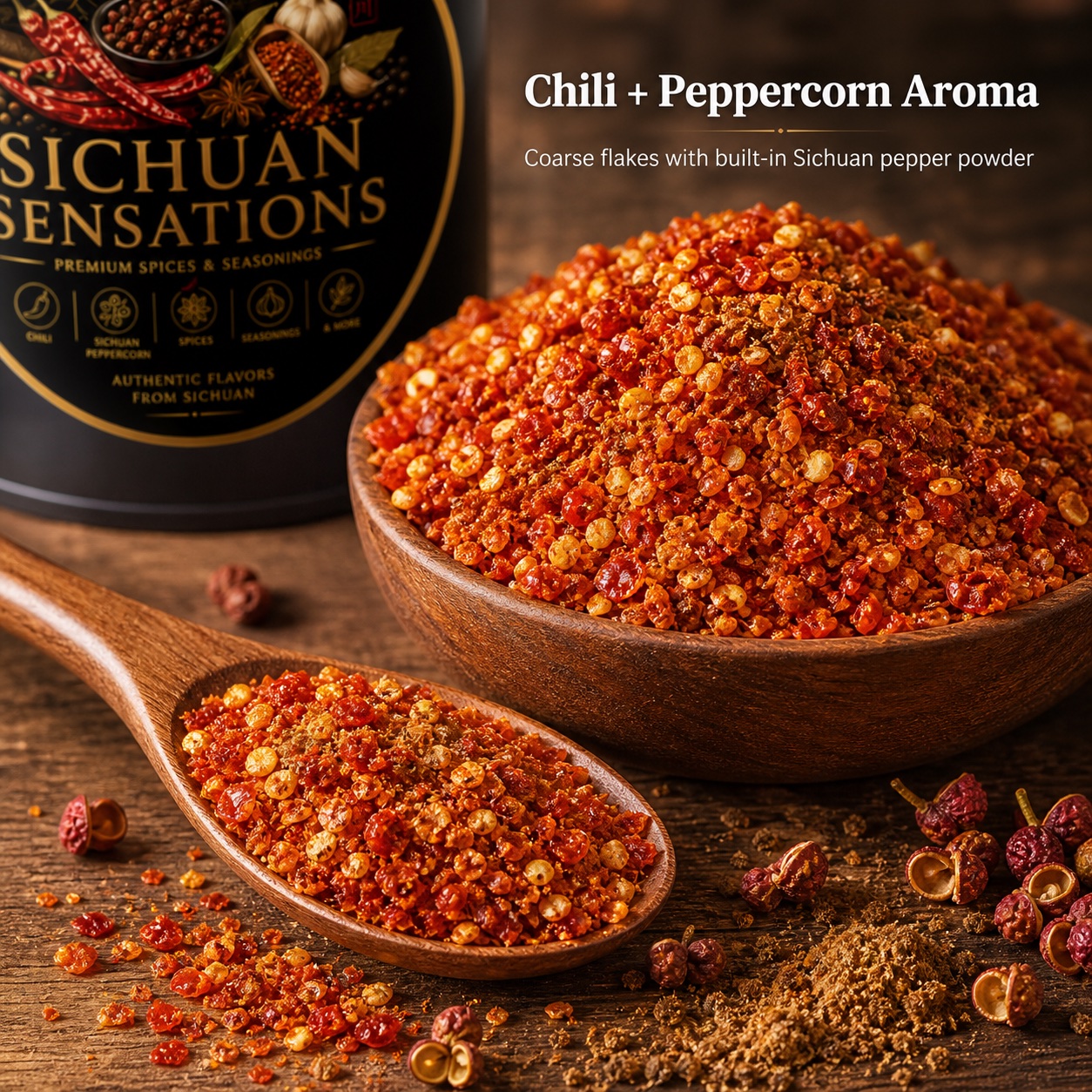
RuralMala’s [Sichuan Sensations Erjingtiao Chili Flakes with Sichuan Pepper Powder] combines coarse chili flakes with peppercorn powder in one tin. Treat it as a practical dry seasoning, not a replacement for every Sichuan ingredient. A dish that depends on doubanjiang, stock or fresh aromatics will still need those components.
Mala Spice Mix FAQ
Why does mala make your mouth tingle?
The tingling sensation comes from Sichuan peppercorn. It is distinct from the burning heat produced by chili.
Is mala spice mix always very hot?
No. Heat varies with the chili variety, the ratio of chili to peppercorn, and any other ingredients in the blend. Start small if the package does not state a clear heat level.
Can I make mala flavor without a premixed seasoning?
Yes. Use dried chili for heat and aroma, then add toasted or freshly ground Sichuan peppercorn for the tingle. Adjust them separately to suit the dish.
Is mala seasoning the same as doubanjiang?
No. Mala describes the combined sensation of Sichuan peppercorn and chili. Doubanjiang is a fermented bean-and-chili paste used for savory depth in specific dishes.
Final Thought
Mala works when the peppercorn is still fragrant, the chili tastes toasted rather than burnt, and neither sensation erases the food underneath. Once you understand that balance, the seasoning becomes far more useful than a shorthand for “very spicy.”