Why This Dry-Fried Green Beans Recipe Works
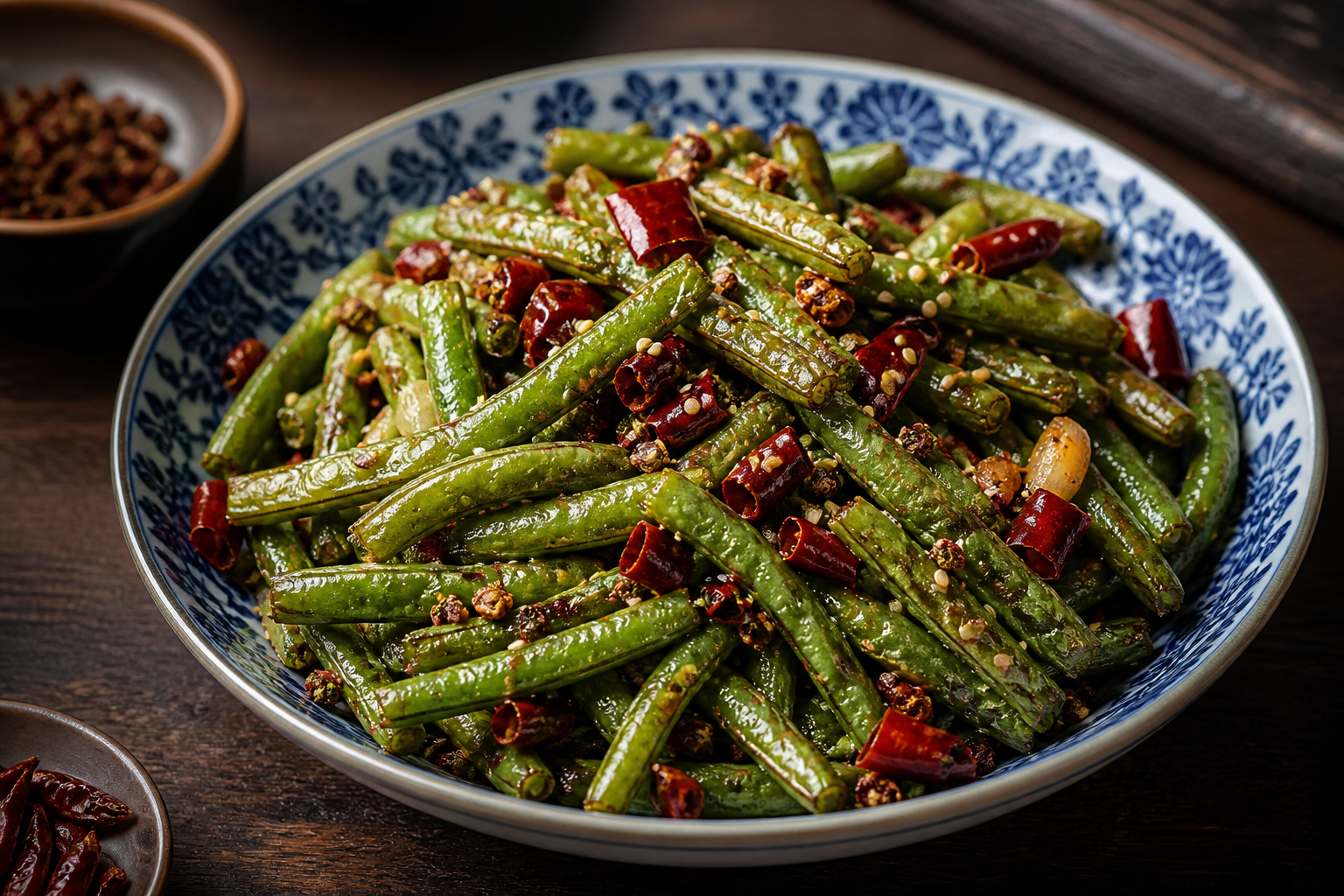
- Dry beans blister instead of steaming.** Removing surface moisture helps the oil create a wrinkled exterior.
- High heat builds texture quickly.** The beans become tender inside while developing lightly browned spots outside.
- Garlic, chilies, and Sichuan peppercorns flavor the oil.** Blooming the aromatics before returning the beans distributes their flavor throughout the dish.
- A small amount of seasoning keeps the finish dry.** Soy sauce and vinegar add savory depth and brightness without turning the dish into a saucy stir-fry.
- Sesame seeds add a final nutty note.** They are added at the end so their aroma stays noticeable.
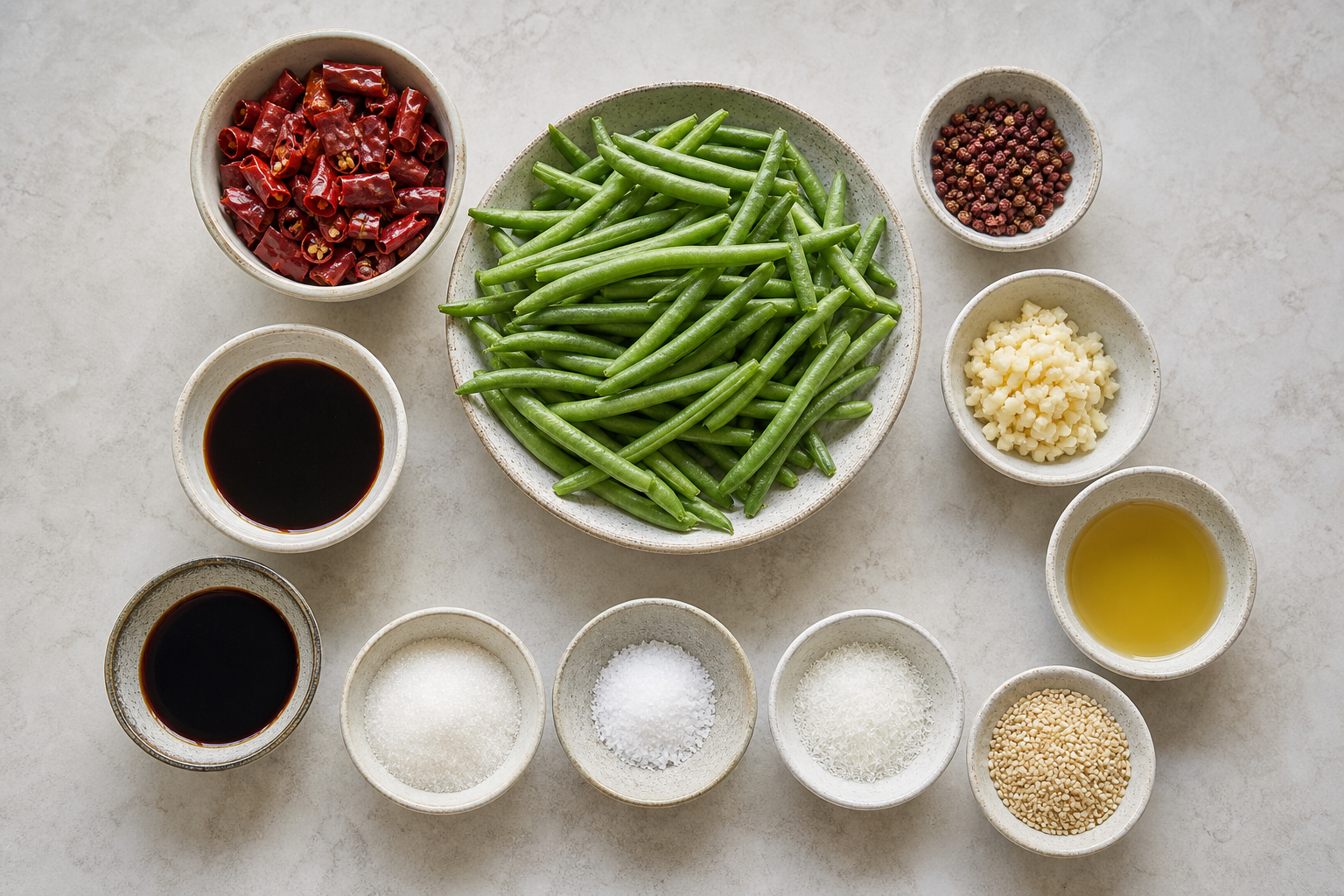
Ingredients
Main ingredient
- 500 g (about 1.1 lb) fresh green beans
- Neutral cooking oil, enough for shallow or deep frying
Aromatics
- 5 garlic cloves, finely minced
- 10–15 g whole dried red chilies, cut into short sections
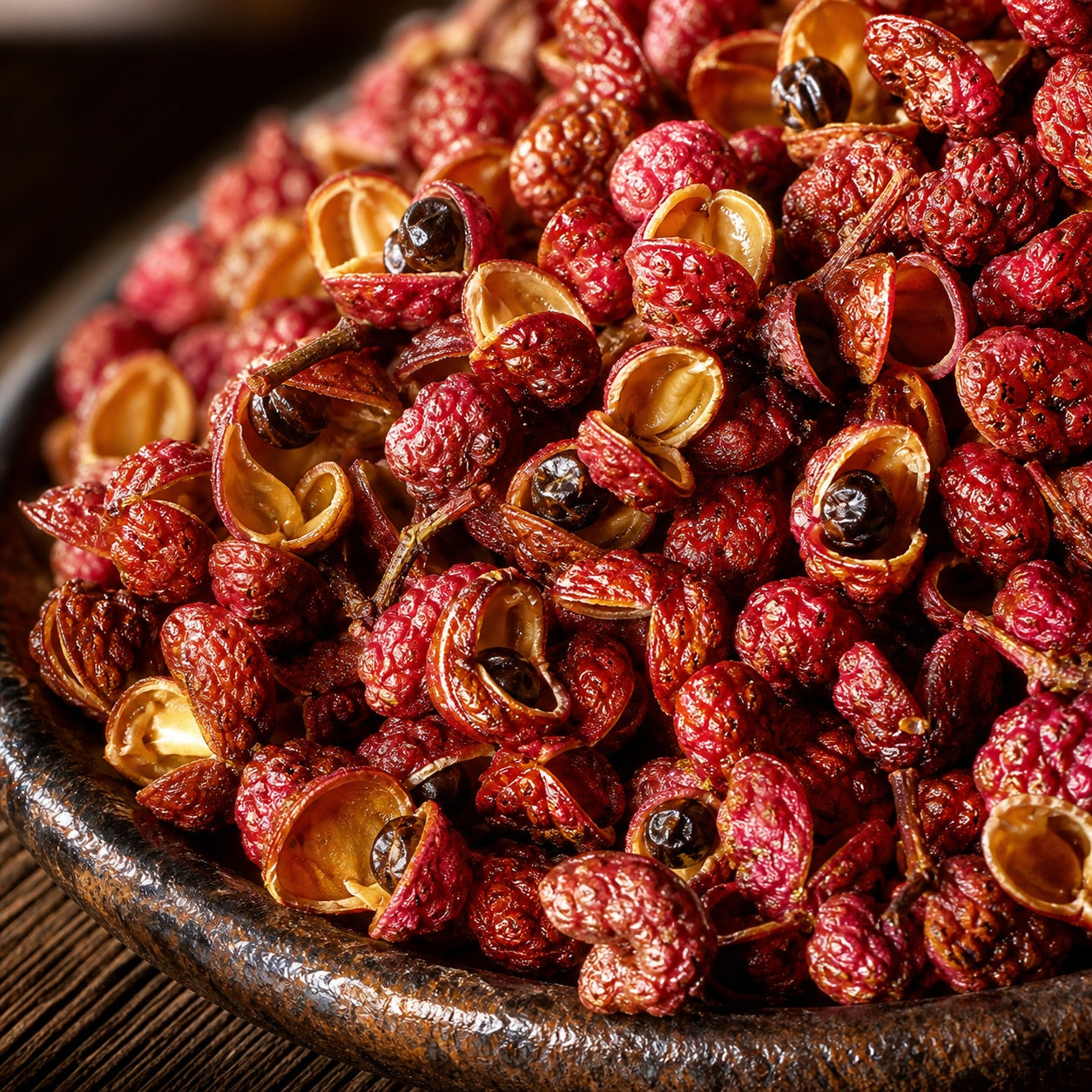
- 1 teaspoon whole red Sichuan peppercorns
Seasoning
- 1/2 teaspoon fine salt, or to taste
- 1/4 teaspoon MSG, optional
- 1/2 teaspoon white sugar
- 2 teaspoons light soy sauce
- 1 teaspoon Chinkiang black vinegar
- 1 tablespoon toasted white sesame seeds
**Ingredient note:** The cooking demonstration does not display exact quantities. The amounts above are a tested home-kitchen proportion for 500 g of green beans while preserving the same ingredients and cooking order shown on screen.
How to Make Sichuan Dry-Fried Green Beans
Step 1: Trim, cut, and dry the beans
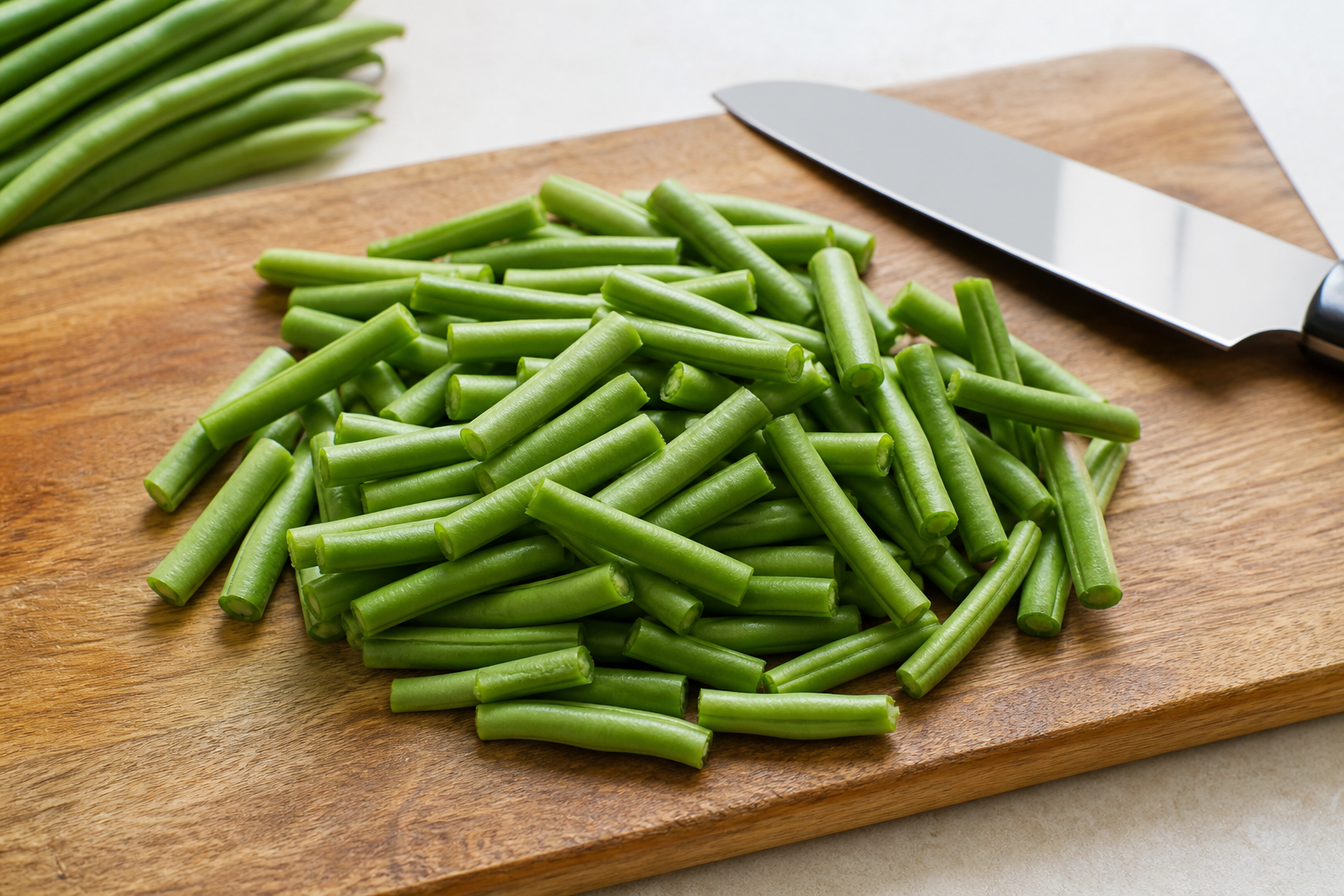
Trim off the tough ends and cut the green beans into 5 cm / 2-inch lengths. Wash them, then dry them extremely well with a clean towel. Water left on the beans can cause hot oil to splatter and will prevent the skins from blistering properly.
Step 2: Fry until blistered
Heat the oil to about 170–175°C / 340–350°F. Carefully add the beans in batches so the oil temperature does not drop sharply. Fry over high heat, stirring occasionally, until the skins look wrinkled and blistered and the beans are fully tender. Lift them out with a slotted spoon and drain thoroughly.

Step 3: Bloom the aromatics
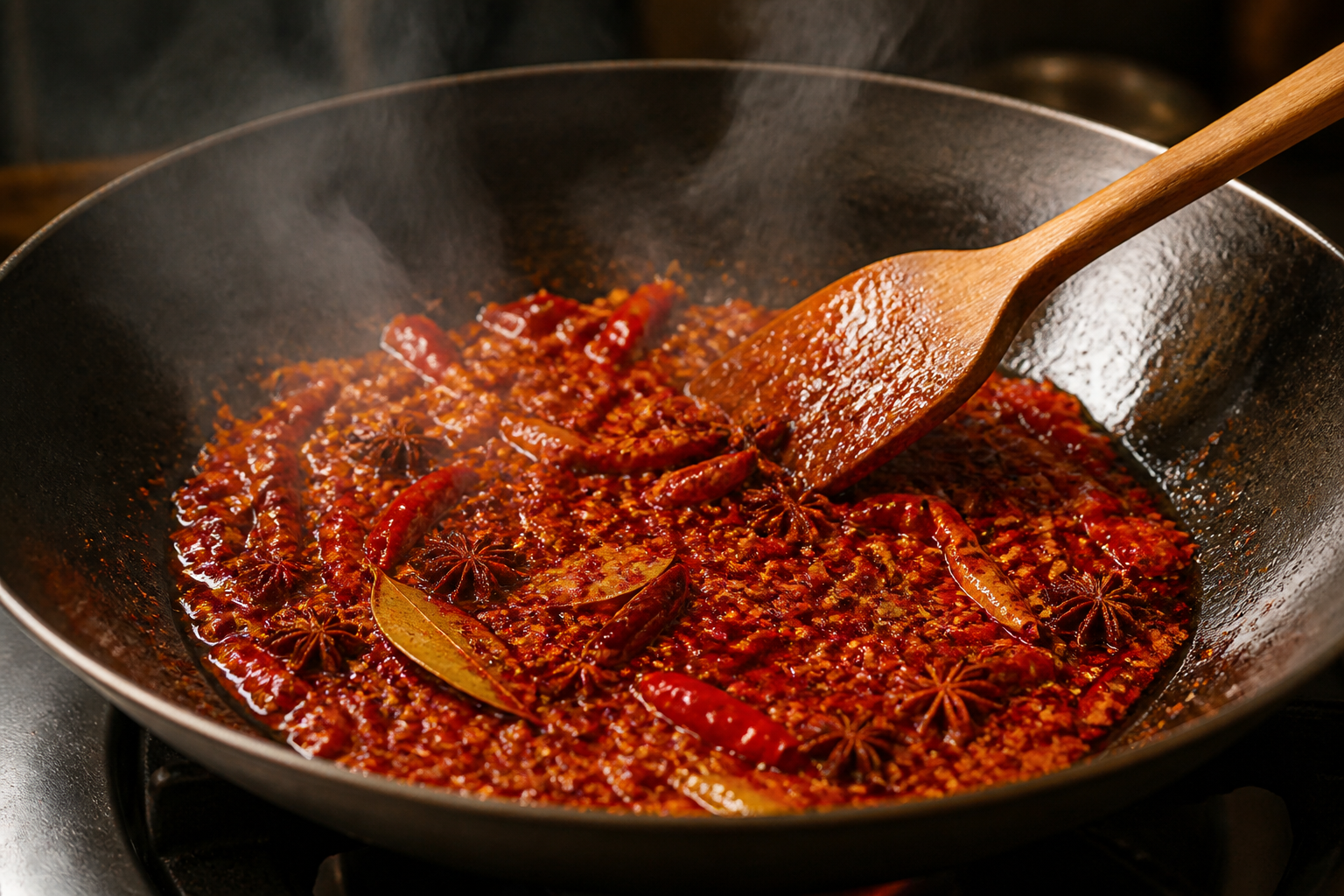
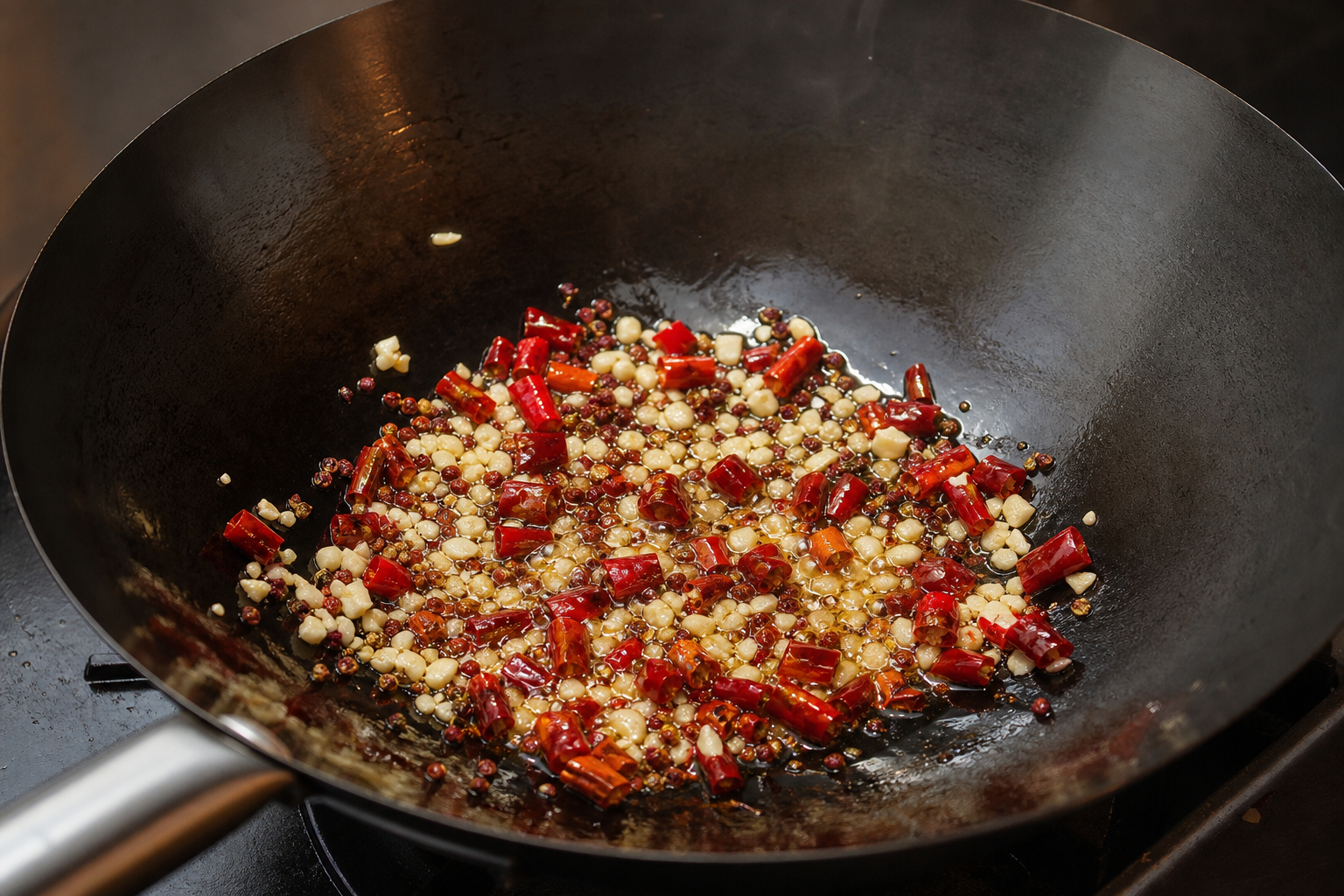
Carefully pour off the frying oil, leaving about 1 tablespoon in the wok. Reduce the heat to medium. Add the minced garlic, Sichuan peppercorns, and dried chili sections. Stir briefly until the garlic smells fragrant and the chilies deepen slightly in color. Do not let the garlic or chilies burn.
Step 4: Return and season the beans
Return the drained beans to the wok. Add the salt, optional MSG, and sugar. Drizzle the light soy sauce and Chinkiang vinegar around the hot side of the wok rather than pouring them into one spot. This helps the liquid evaporate quickly and keeps the finished dish dry.
Step 5: Toss and finish
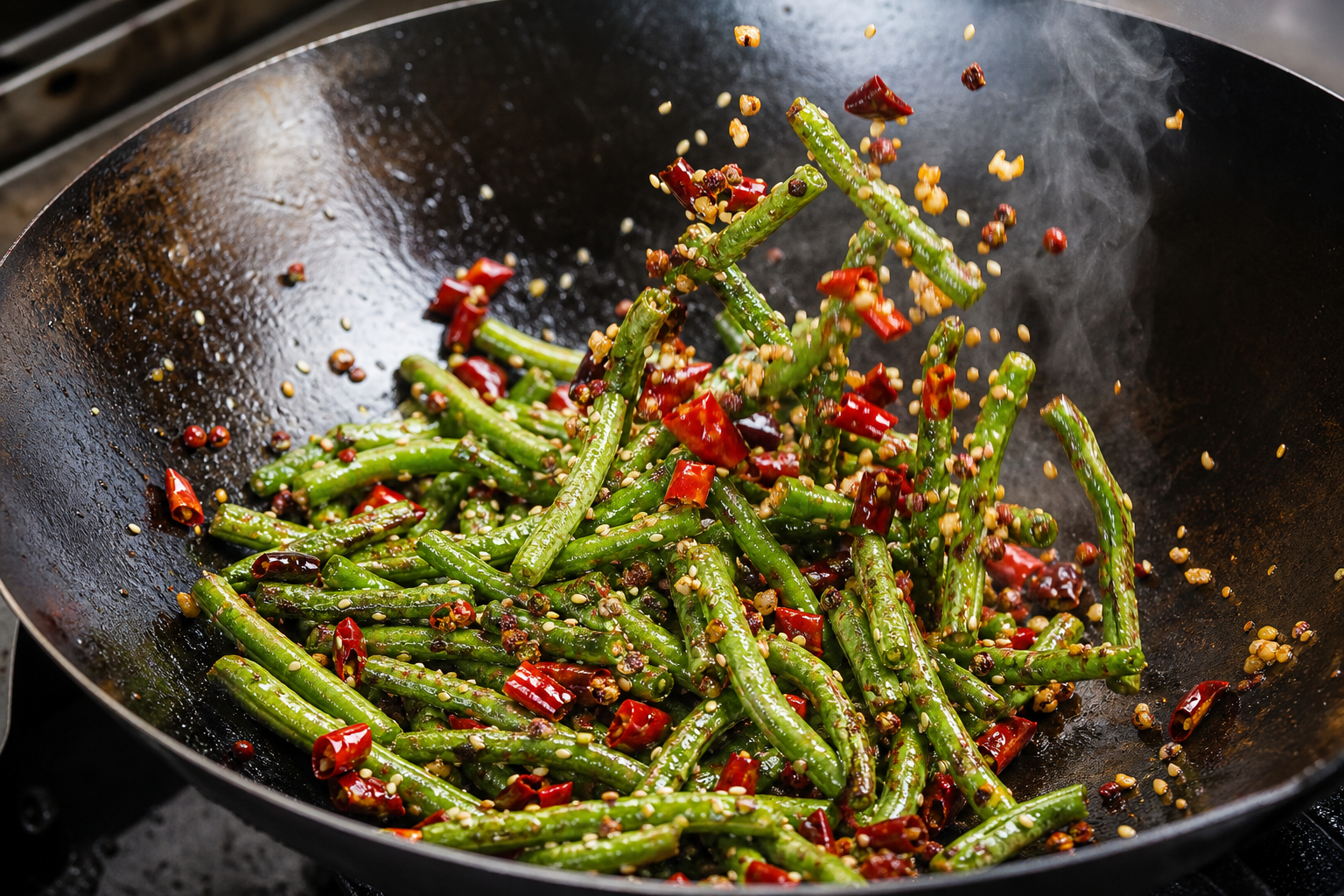
Turn the heat to high and toss rapidly until every piece is evenly coated and the wok looks almost dry. Sprinkle in the toasted sesame seeds, toss once more, and transfer immediately to a serving plate.
The Two Spices Behind the Sichuan Flavor
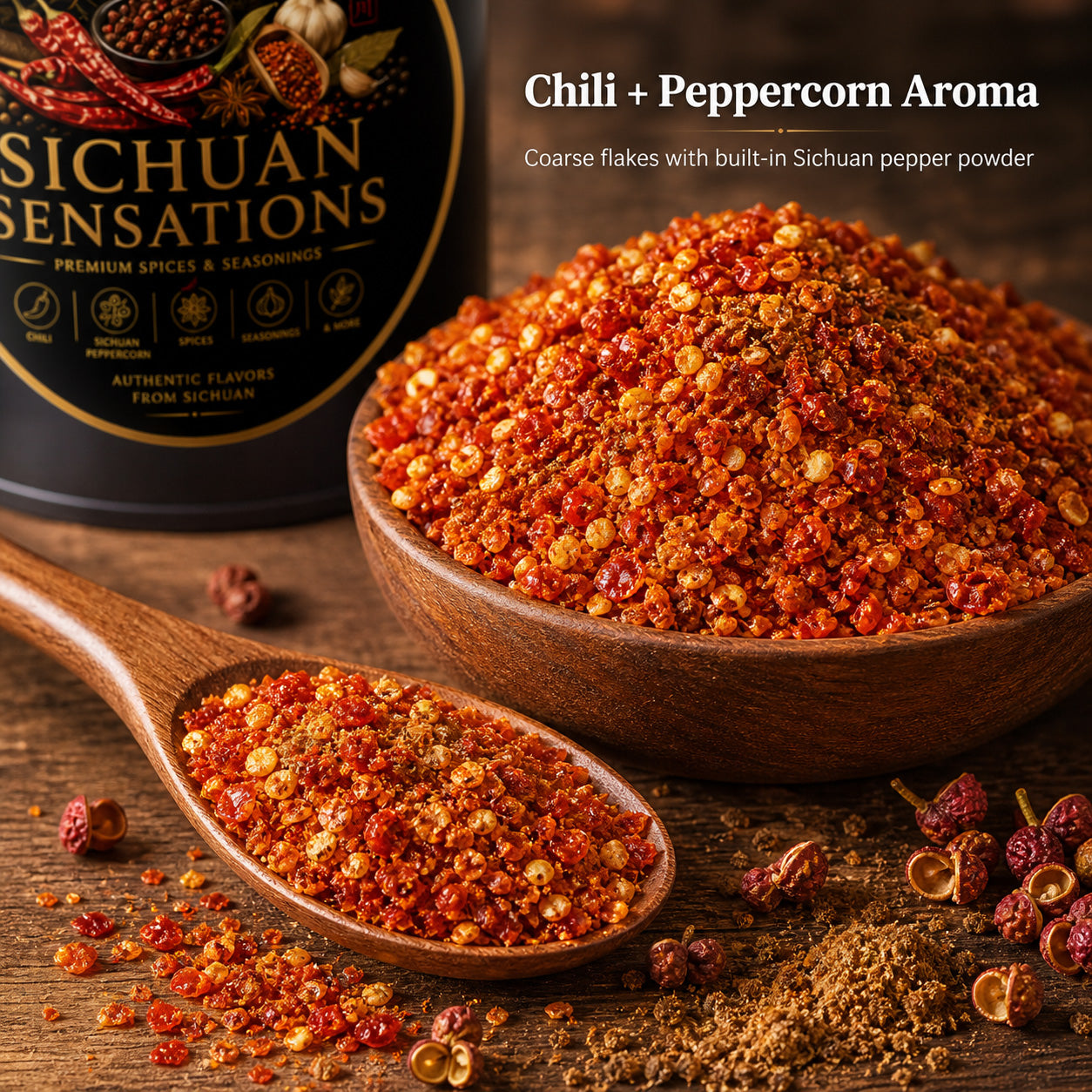
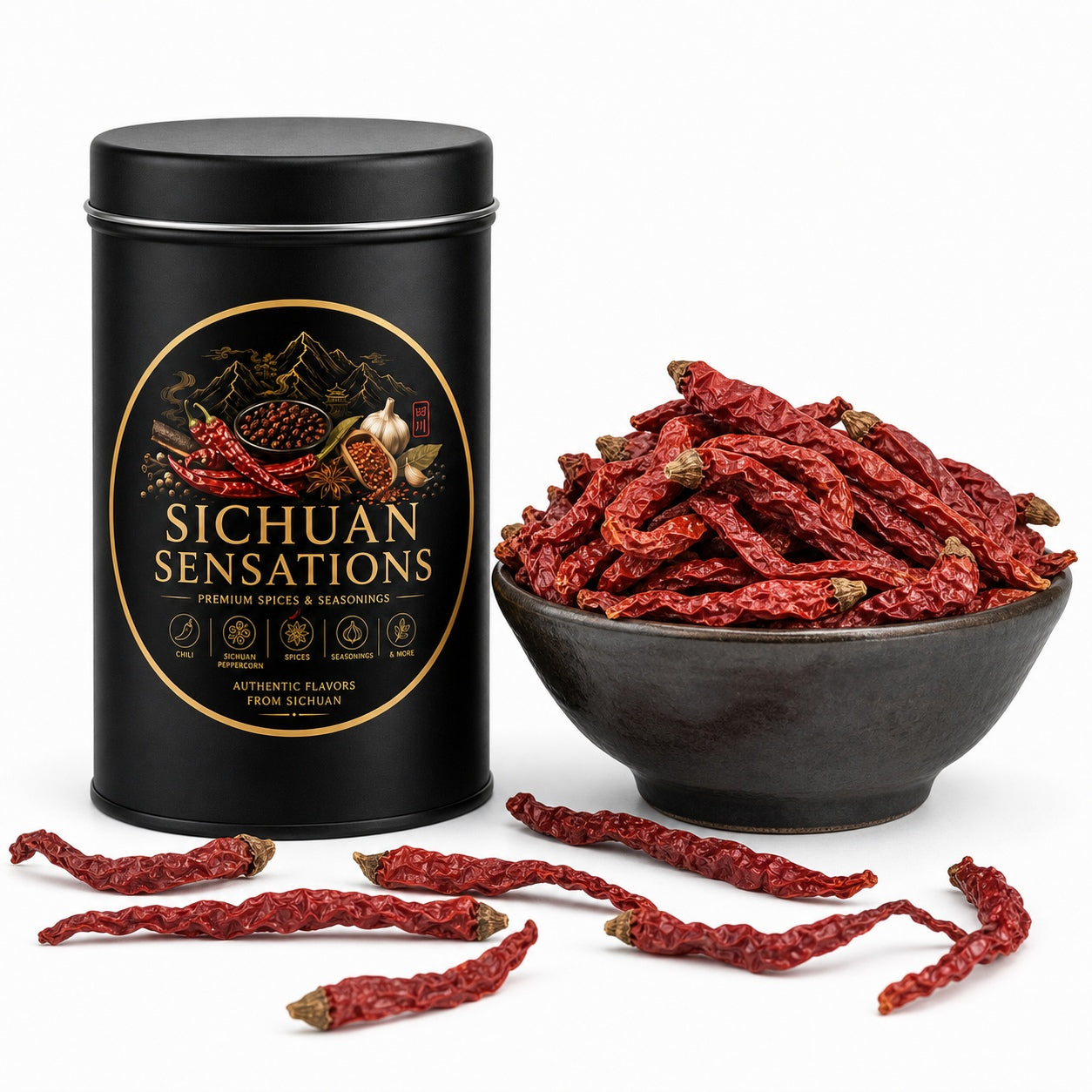
Dried chilies and Sichuan peppercorns perform different jobs in this **Chinese green bean recipe**. Chilies bring heat, color, and a lightly toasted aroma, while Sichuan peppercorns add the fragrant tingling sensation associated with *mala* cooking.
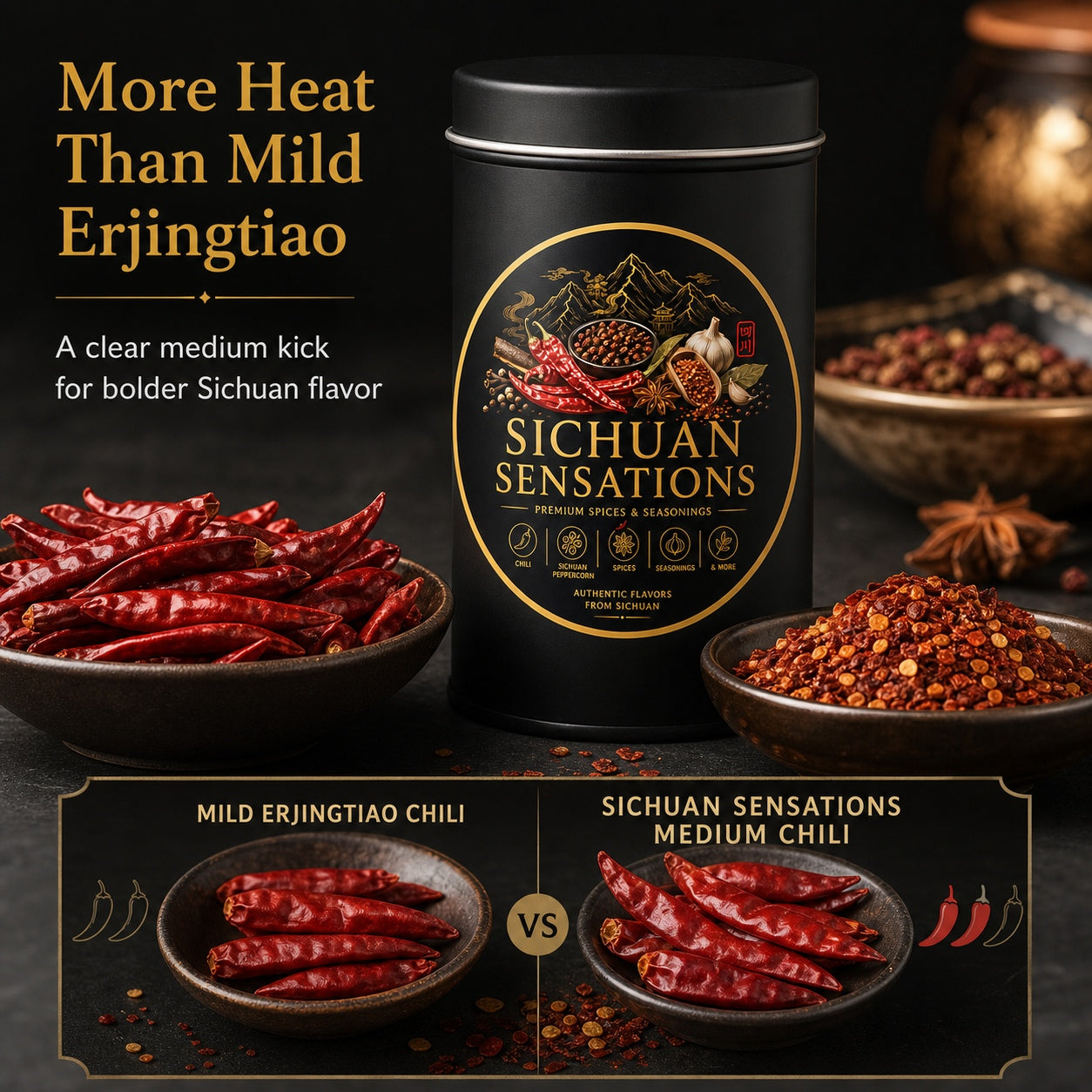
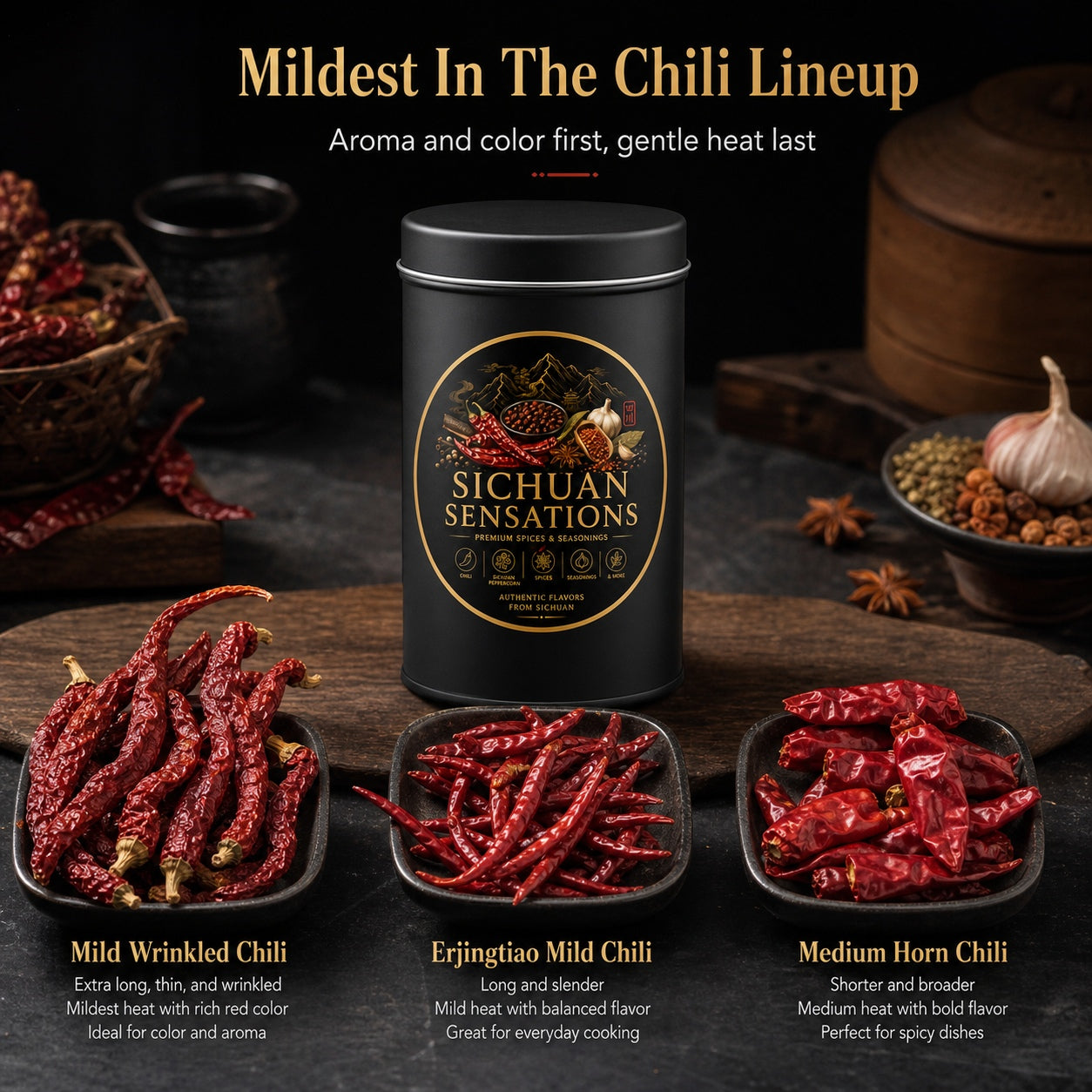
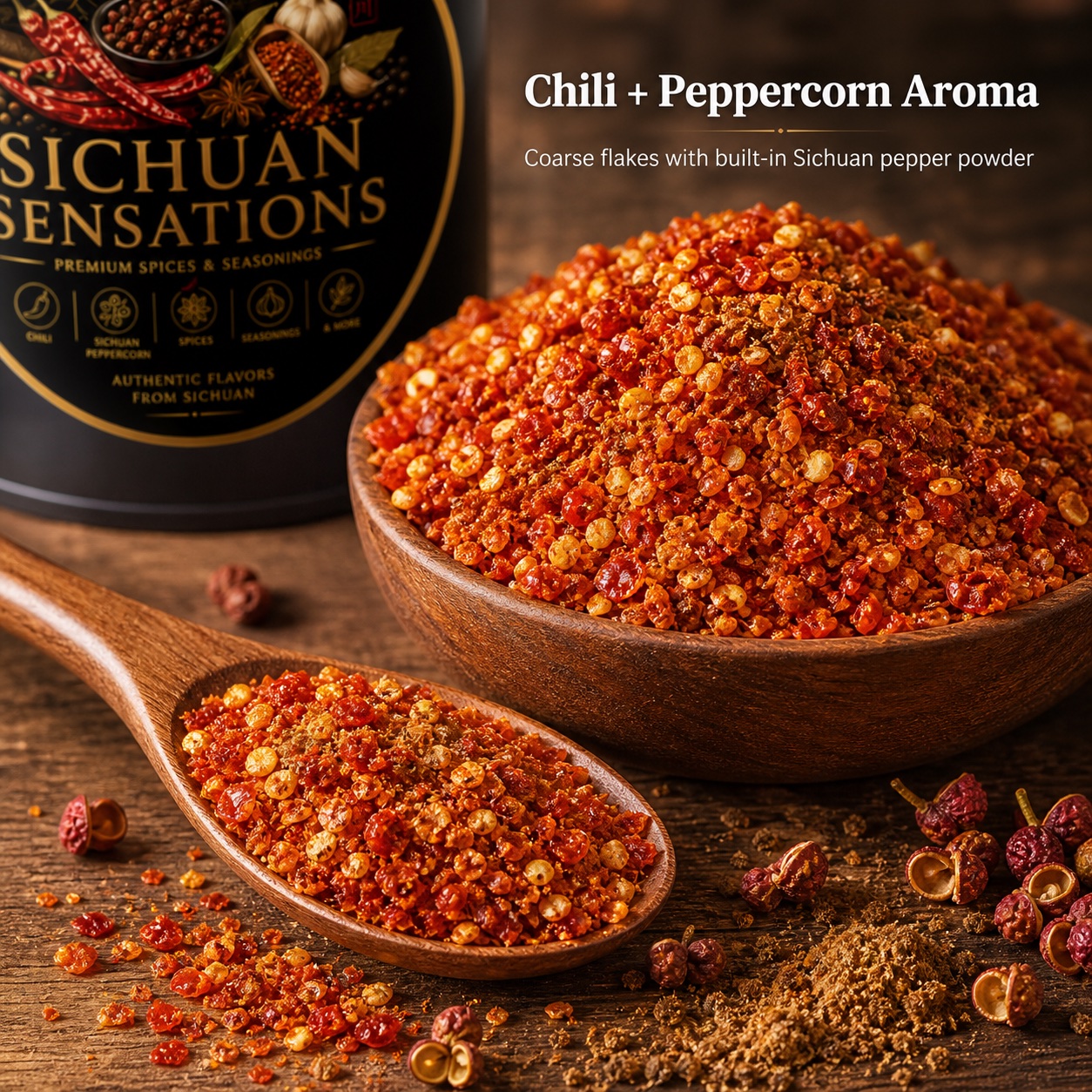
For a balanced level of heat, use [Sichuan Sensations Medium Heat Whole Dried Chili](/products/sichuan-medium-heat-whole-dried-chili). Cutting the chilies exposes more of the interior and produces a hotter result; keeping larger sections intact gives the dish a gentler chili aroma.
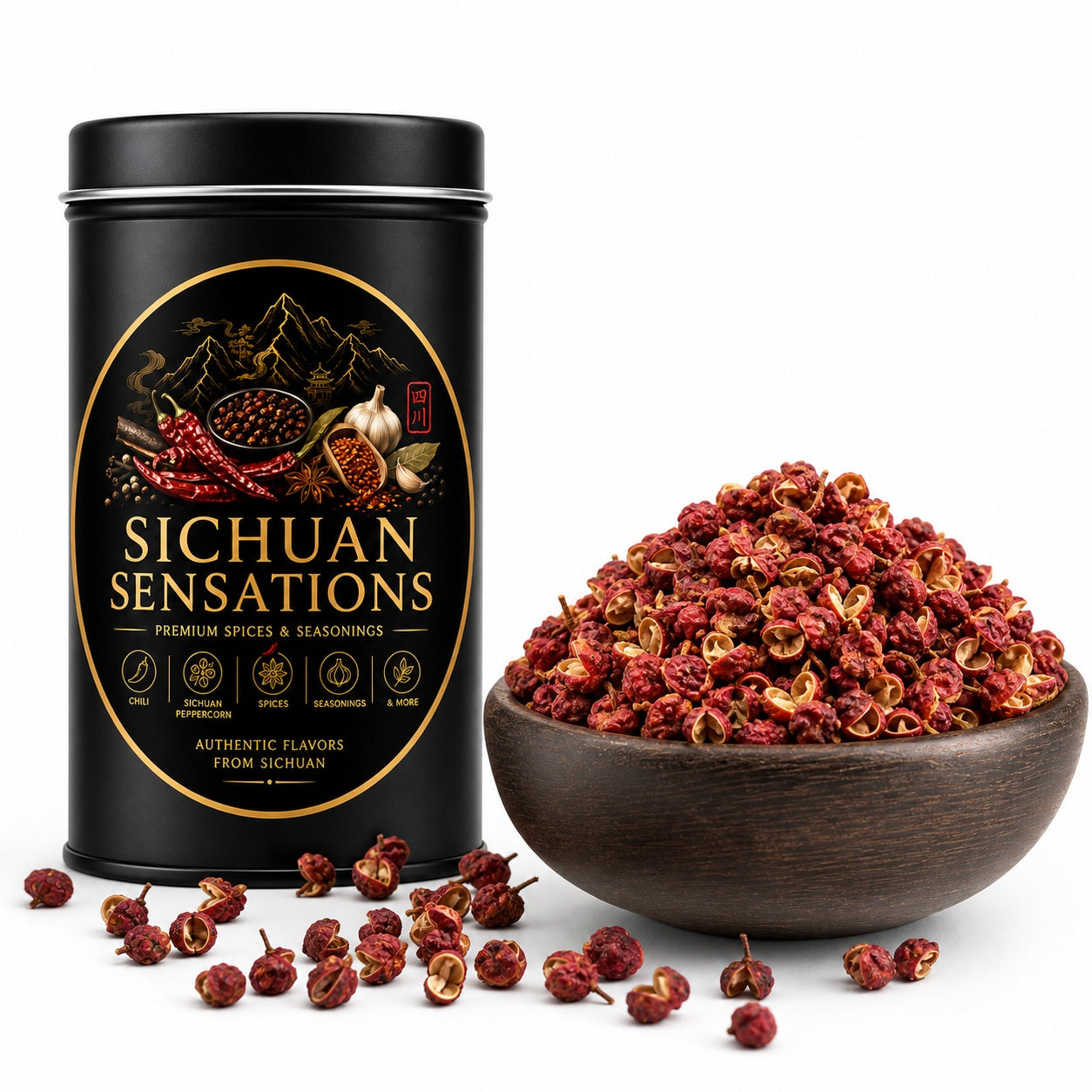
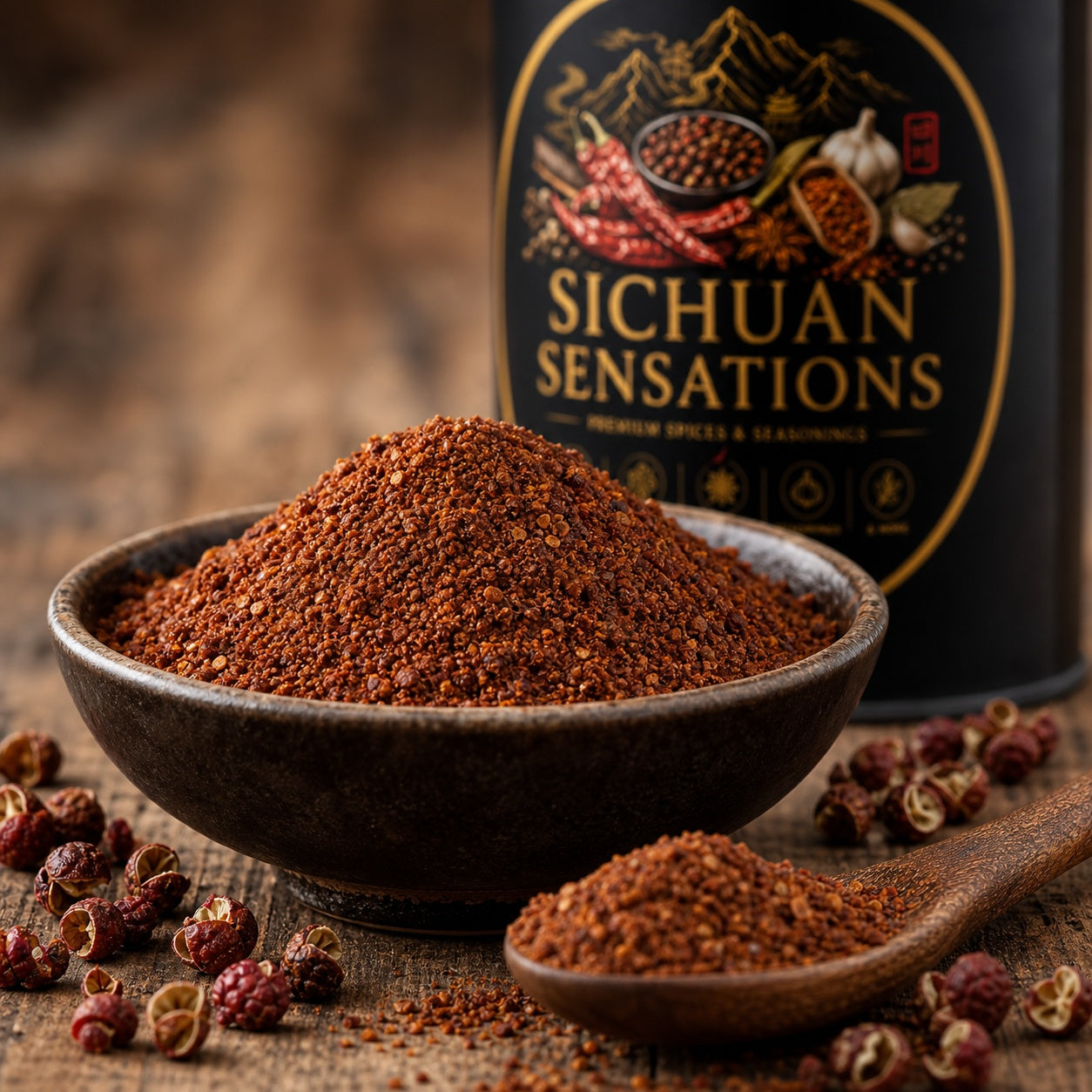
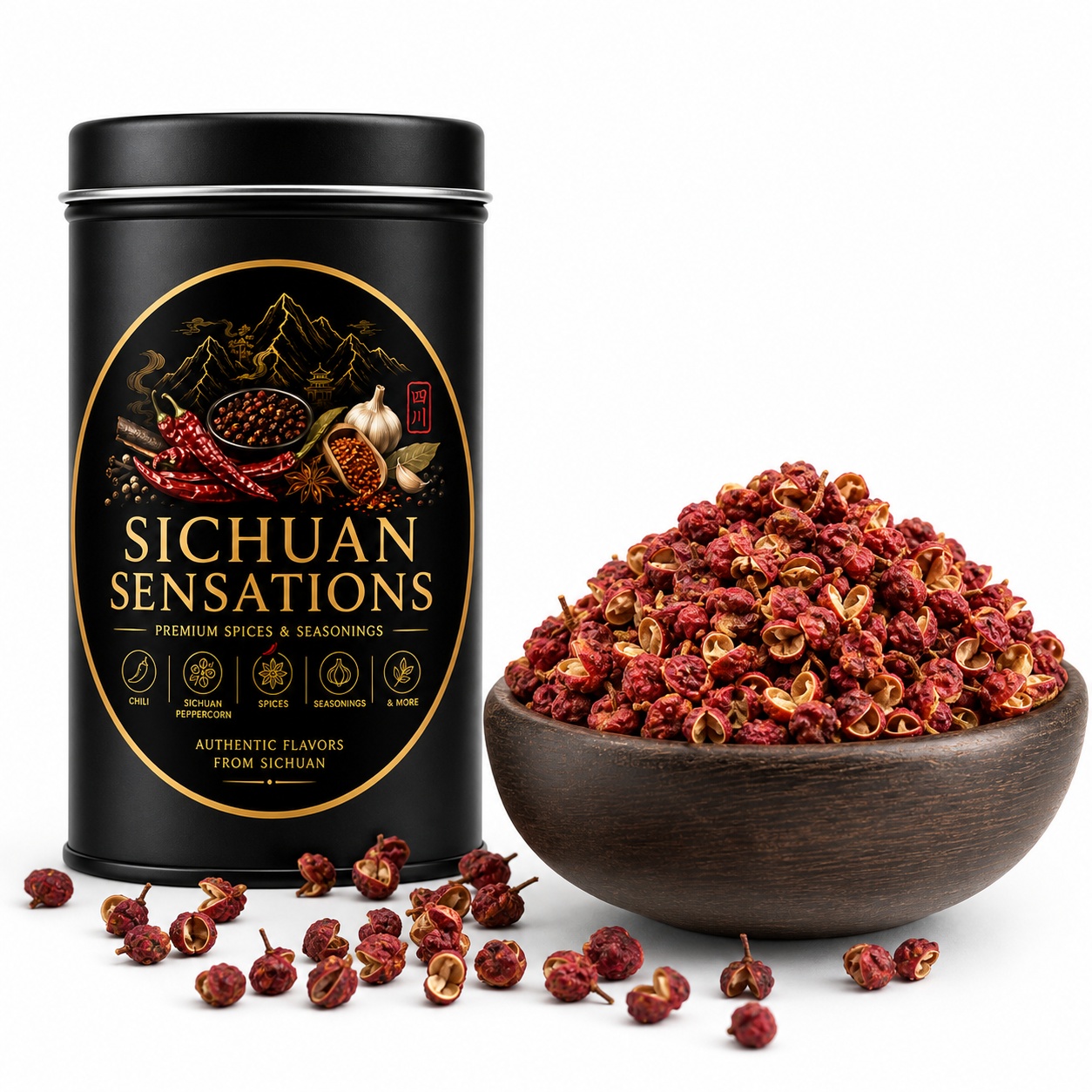
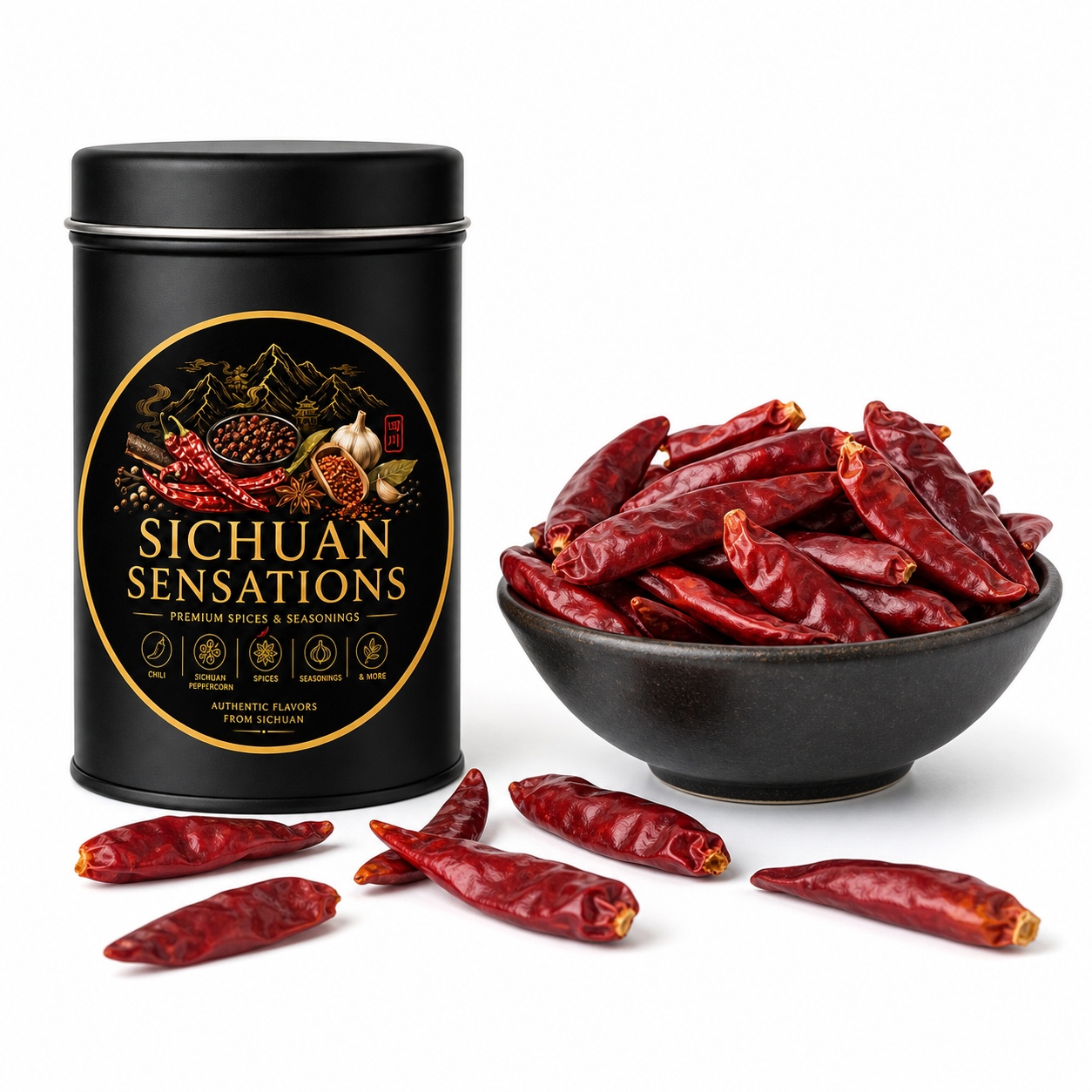 [Sichuan Sensations Red Sichuan Peppercorns](/products/red-sichuan-peppercorns-whole-hua-jiao) bring a warm, woody, citrus-like aroma that pairs naturally with garlic and dried chilies. Bloom them briefly in oil, but avoid frying them for too long because scorched peppercorns can become bitter.
Tips for the Best Gan Bian Si Ji Dou
- Dry the beans completely.** This is the most important step for both texture and safer frying.
- Fry in batches.** Crowding cools the oil and makes the beans greasy.
- Cook the beans through.** They should be tender inside, not raw or squeaky.
- Control the heat after frying.** Use medium heat for the garlic and spices, then return to high heat after the beans go back in.
- Add vinegar near the end.** Chinkiang vinegar brightens the flavor, but prolonged cooking removes its aroma.
- Keep the finish dry.** Use only enough soy sauce and vinegar to season the beans.
- For a lighter variation:** Shallow-fry the beans in several batches, turning often, until blistered and tender.
Frequently Asked Questions
What does “dry-fried” mean?
In this dish, “dry-fried” describes the concentrated, almost sauce-free finish and the blistered texture of the beans. The restaurant-style method still uses oil to cook the beans before they are tossed with aromatics.
Are Sichuan dry-fried green beans vegetarian?
This version is meat-free. Some traditional and restaurant variations include minced pork or *ya cai*, a preserved vegetable. If strict vegetarian labeling matters, use vegetarian-certified seasonings and omit MSG unless its source is confirmed.
Can I make this dish without deep-frying?
Yes. Use a wide skillet or wok with a shallower layer of oil and cook the beans in batches. It takes longer, but the goal remains the same: fully tender beans with blistered skins.
Can I make dry-fried green beans ahead?
They are best immediately after cooking because the blistered surface gradually softens. You can trim, wash, and thoroughly dry the beans earlier, then fry and season them just before serving.
What can I serve with Sichuan green beans?
Serve them with steamed jasmine rice, mapo tofu, twice-cooked pork, soy-braised dishes, or a simple egg and tomato stir-fry.
A Sichuan Restaurant Favorite You Can Make at Home
This **Sichuan dry-fried green beans recipe** turns a familiar vegetable into a fragrant, spicy side dish with blistered texture and concentrated wok flavor. Once the beans are properly dried and fried, the final stir-fry takes only a few minutes.
Keep whole dried chilies and red Sichuan peppercorns in your pantry, and you can bring the same chili heat and aromatic mala finish to noodles, tofu, stir-fries, and many other Chinese recipes.