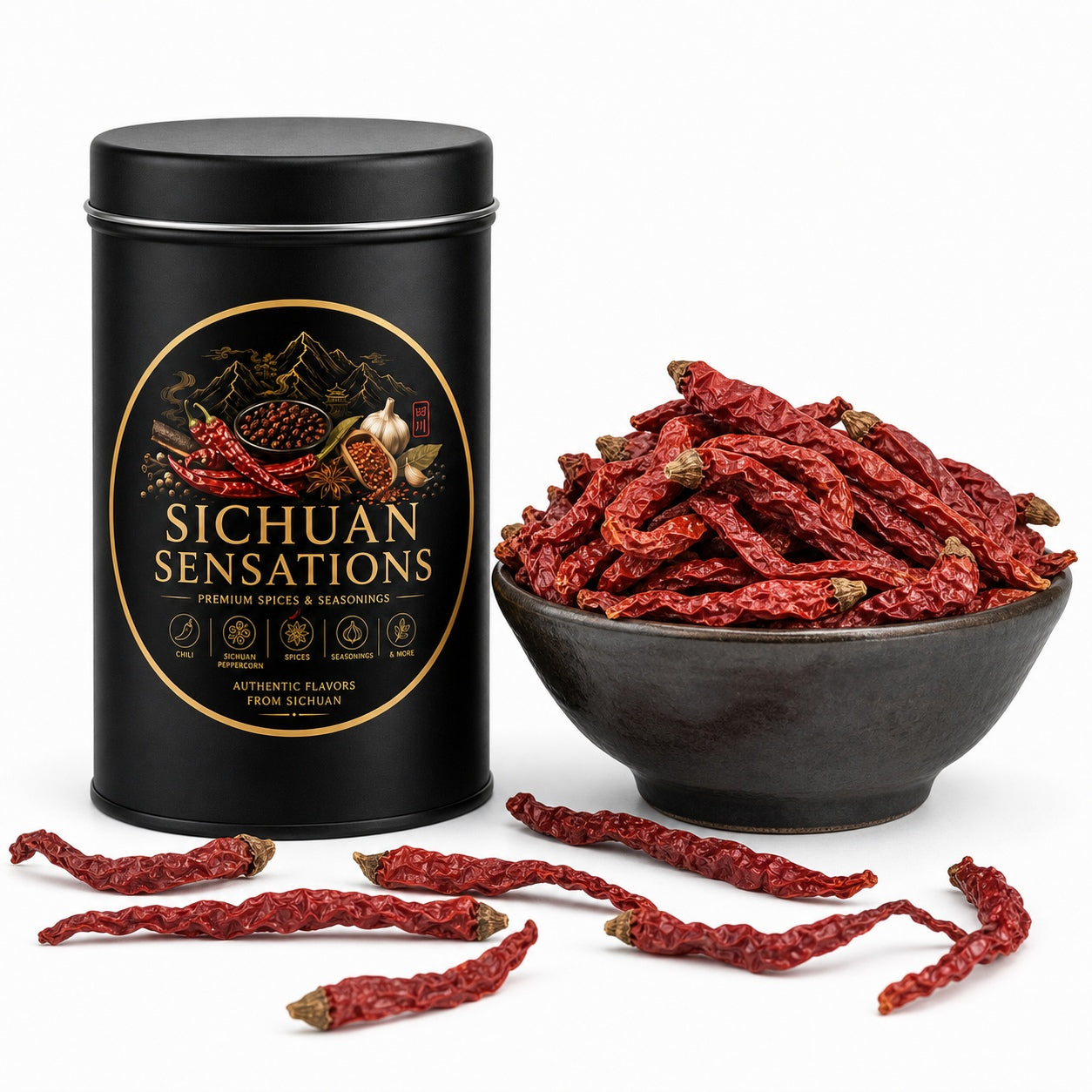
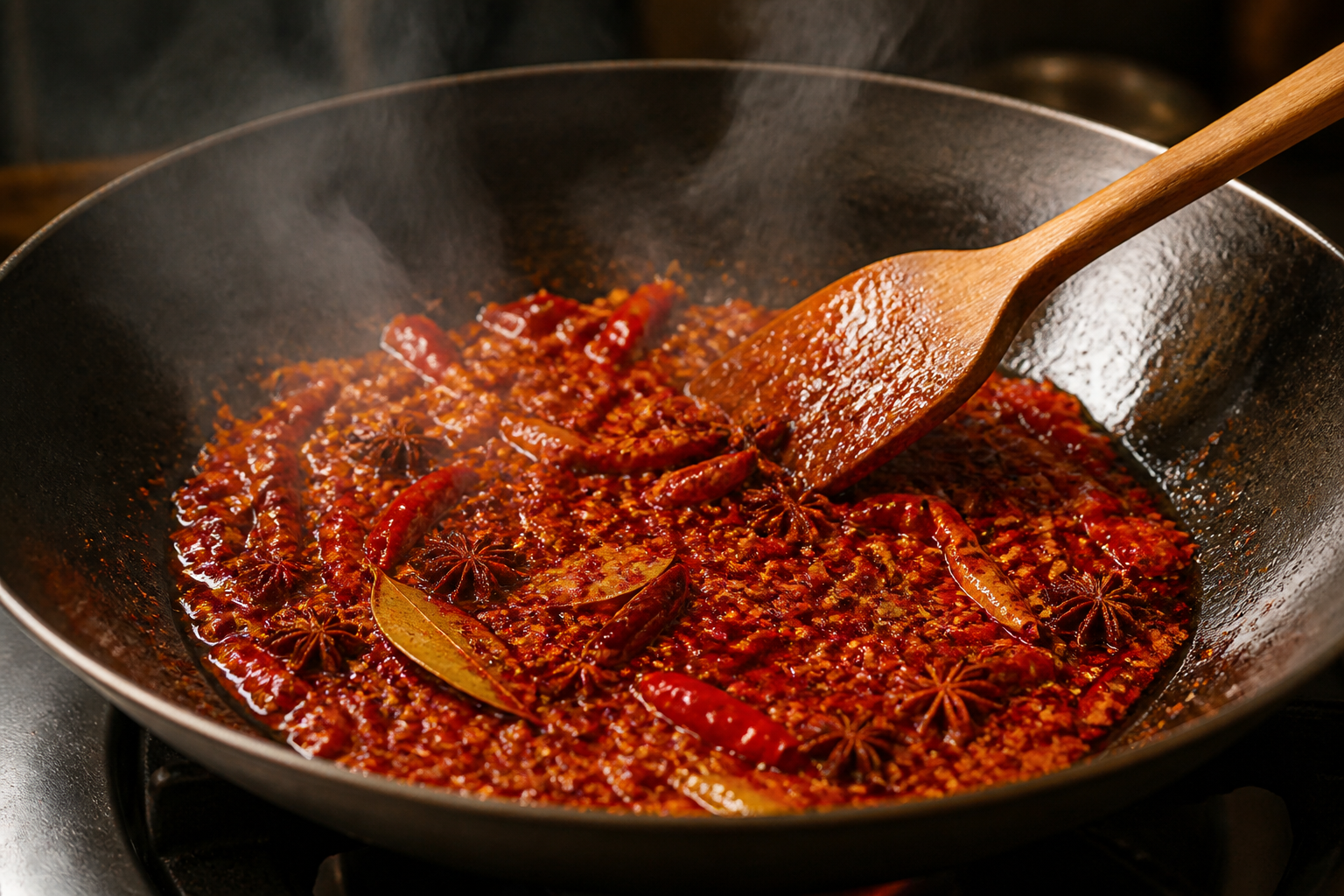
The soul of a great Sichuan hot pot is not simply heat. It is the aroma created when dried chilies, Sichuan peppercorns, fermented broad bean chili paste, ginger, garlic, and warm whole spices are slowly fried in oil. This process wakes up their fragrance, deepens the red color, and builds the concentrated base that will later season the broth.
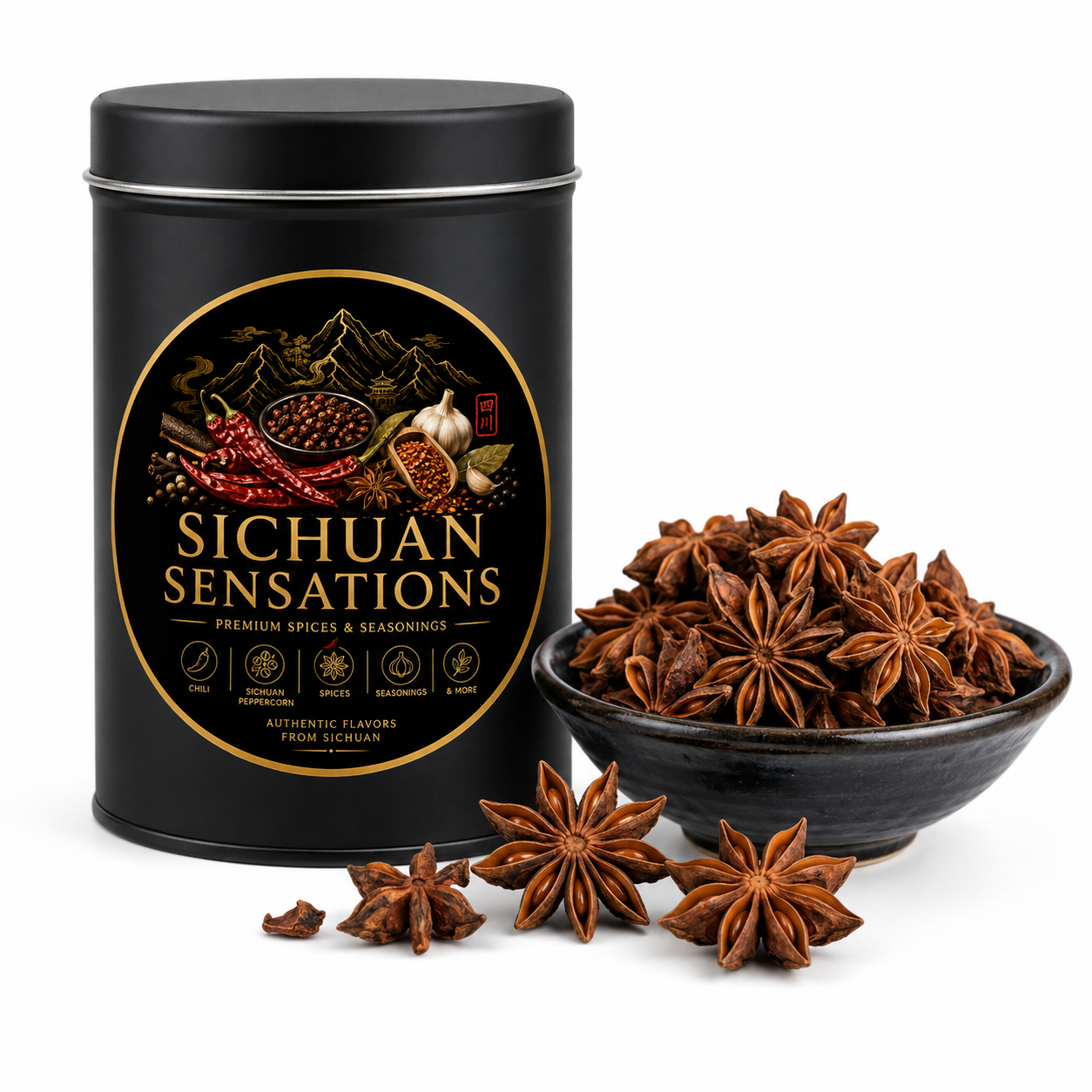
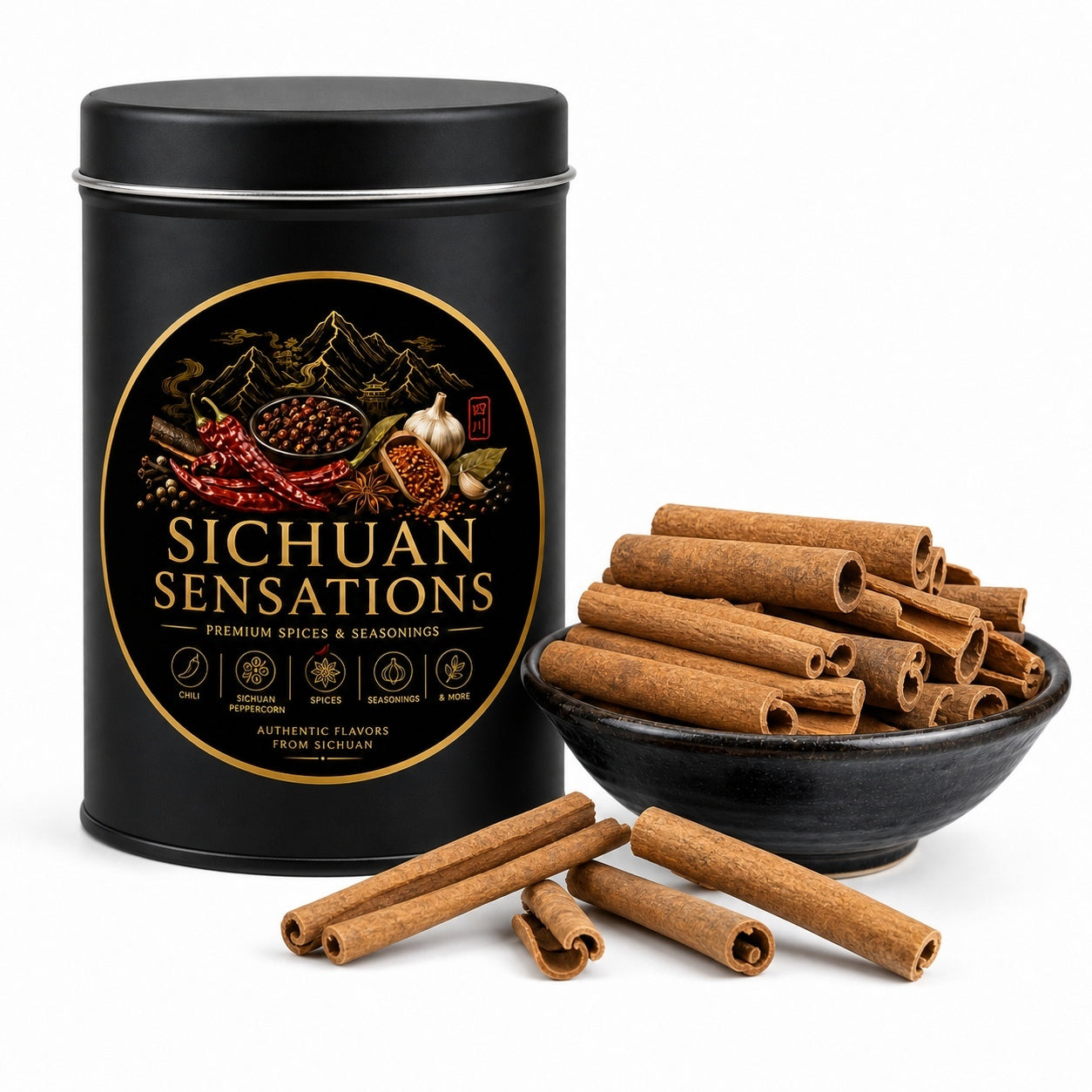
In the video that inspired this guide, star anise contributes a rounded sweetness, cassia adds warm woody notes, and dried chilies and Sichuan peppercorns create the classic **mala** combination: spicy heat followed by a lively, tingling sensation. Once broth is added, that layered flavor travels into beef rolls, tripe, duck intestine, mushrooms, tofu, and vegetables.
This homemade Sichuan hot pot base recipe focuses on controlled heat. The goal is to fry the aromatics until deeply fragrant without scorching the chilies, peppercorns, or fermented paste.
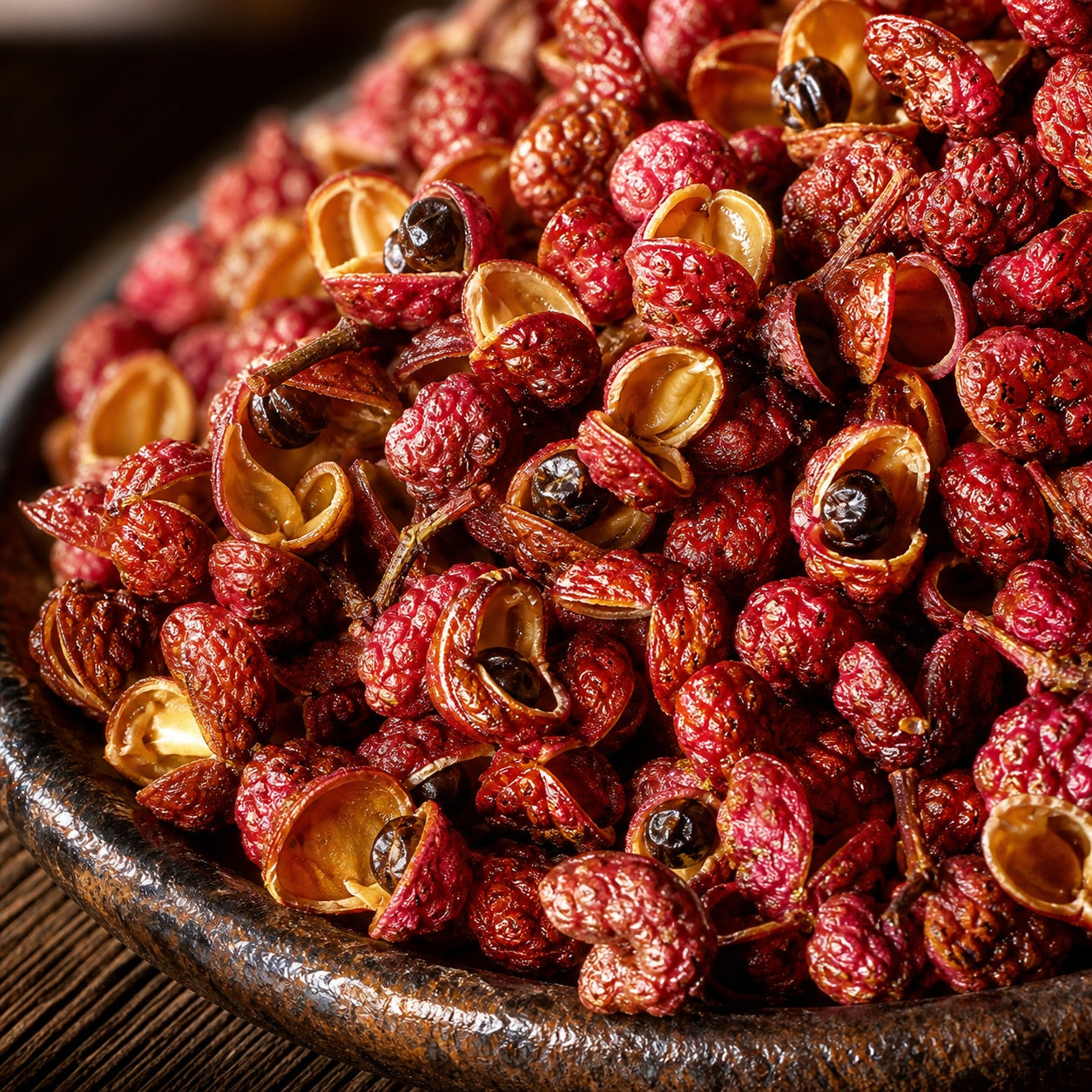
The word **mala** combines two different sensations. **Ma** is the citrusy, tingling character of Sichuan peppercorns, while **la** is the heat of dried red chilies. Neither ingredient works alone: the chilies supply warmth, color, and roasted aroma, while the peppercorns add an aromatic lift and a distinctive tingle.
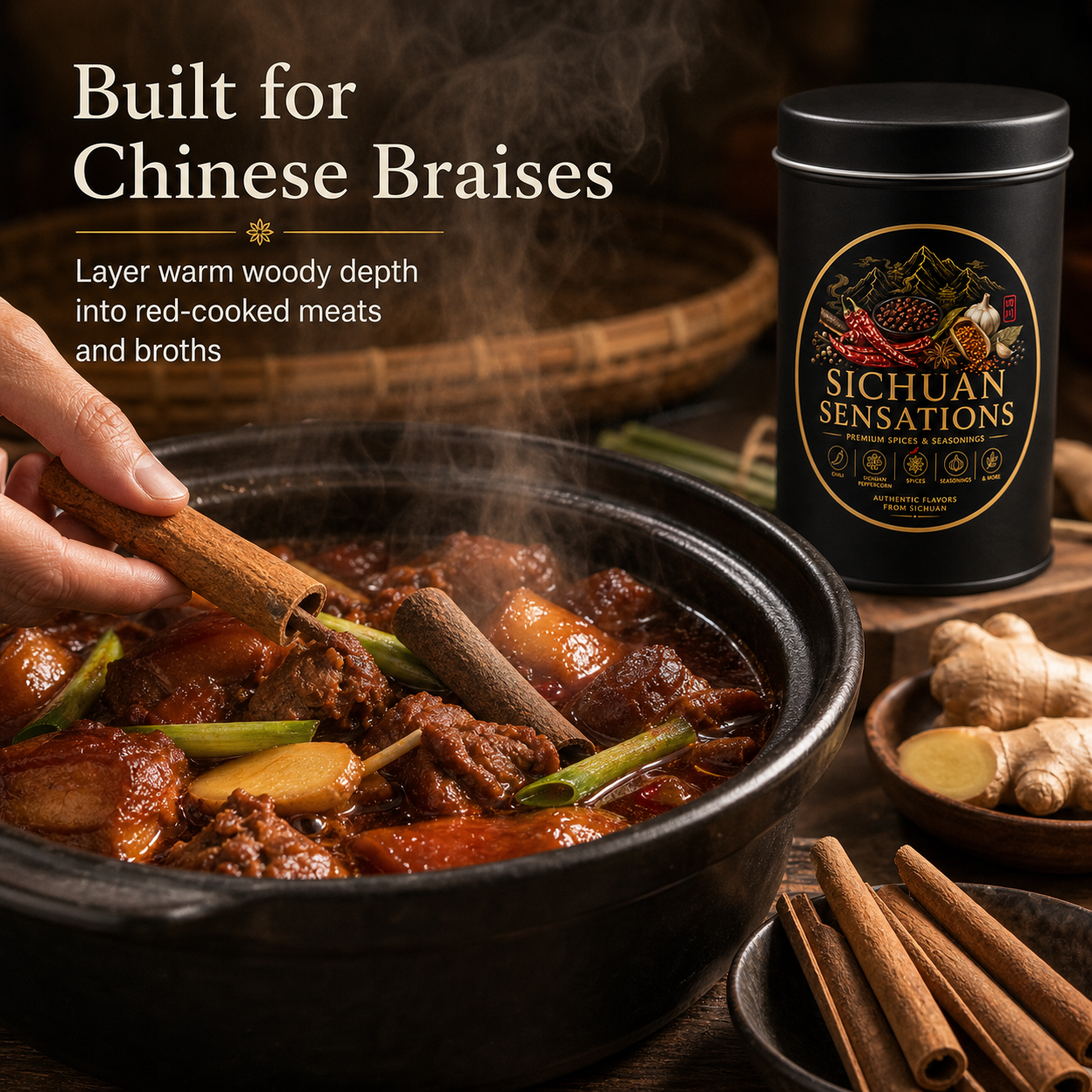
Doubanjiang, a fermented broad bean and chili paste, forms the savory center of many red Sichuan broths. Star anise, cassia bark, bay leaf, and other whole spices should remain supporting notes. If too much is used, the broth can taste more like a braise than a hot pot.
Aromatic base
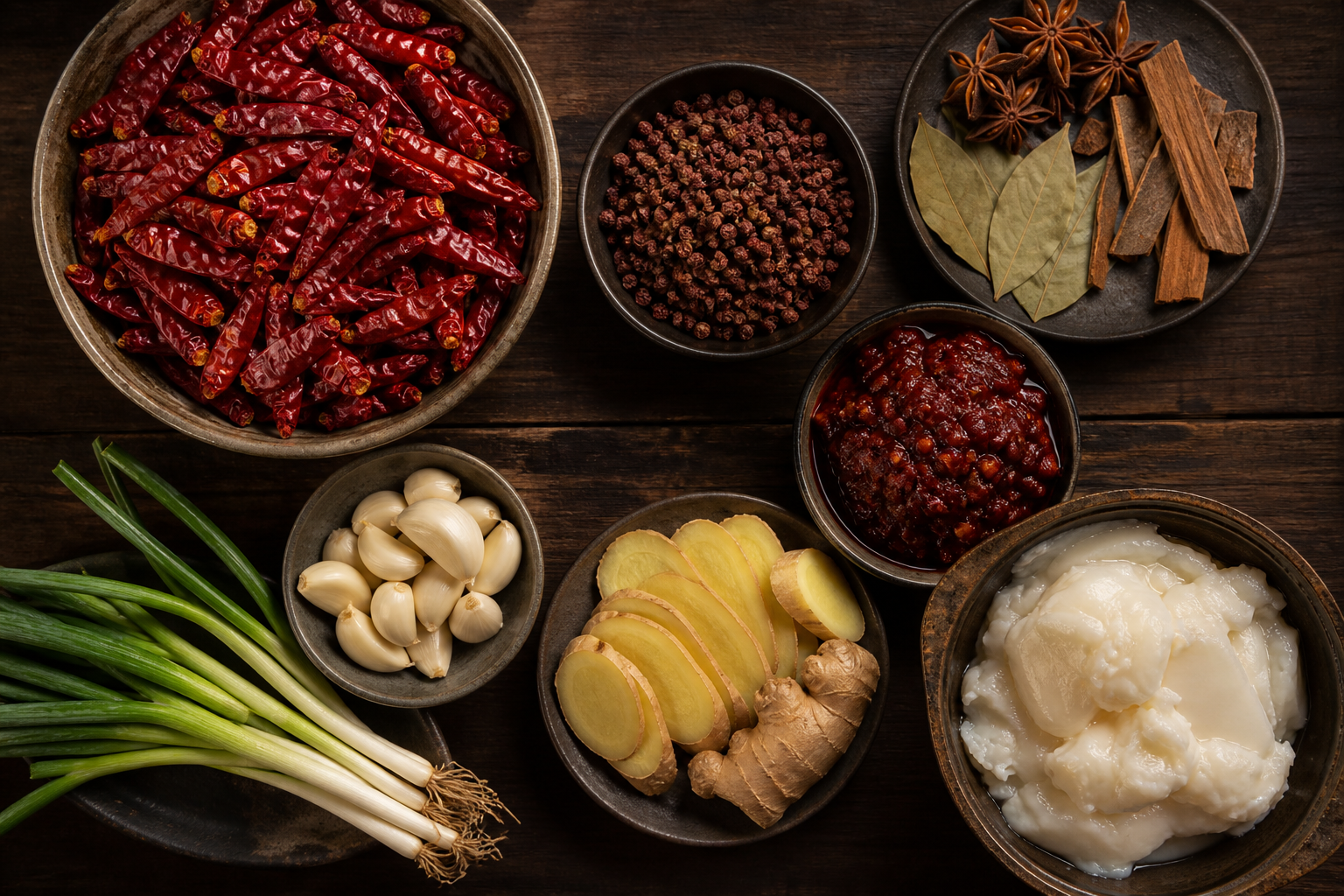
- 1 cup (240 ml) neutral cooking oil, or use half neutral oil and half beef tallow for a richer broth
- 1/2 cup (120 g) Sichuan doubanjiang, roughly chopped if coarse
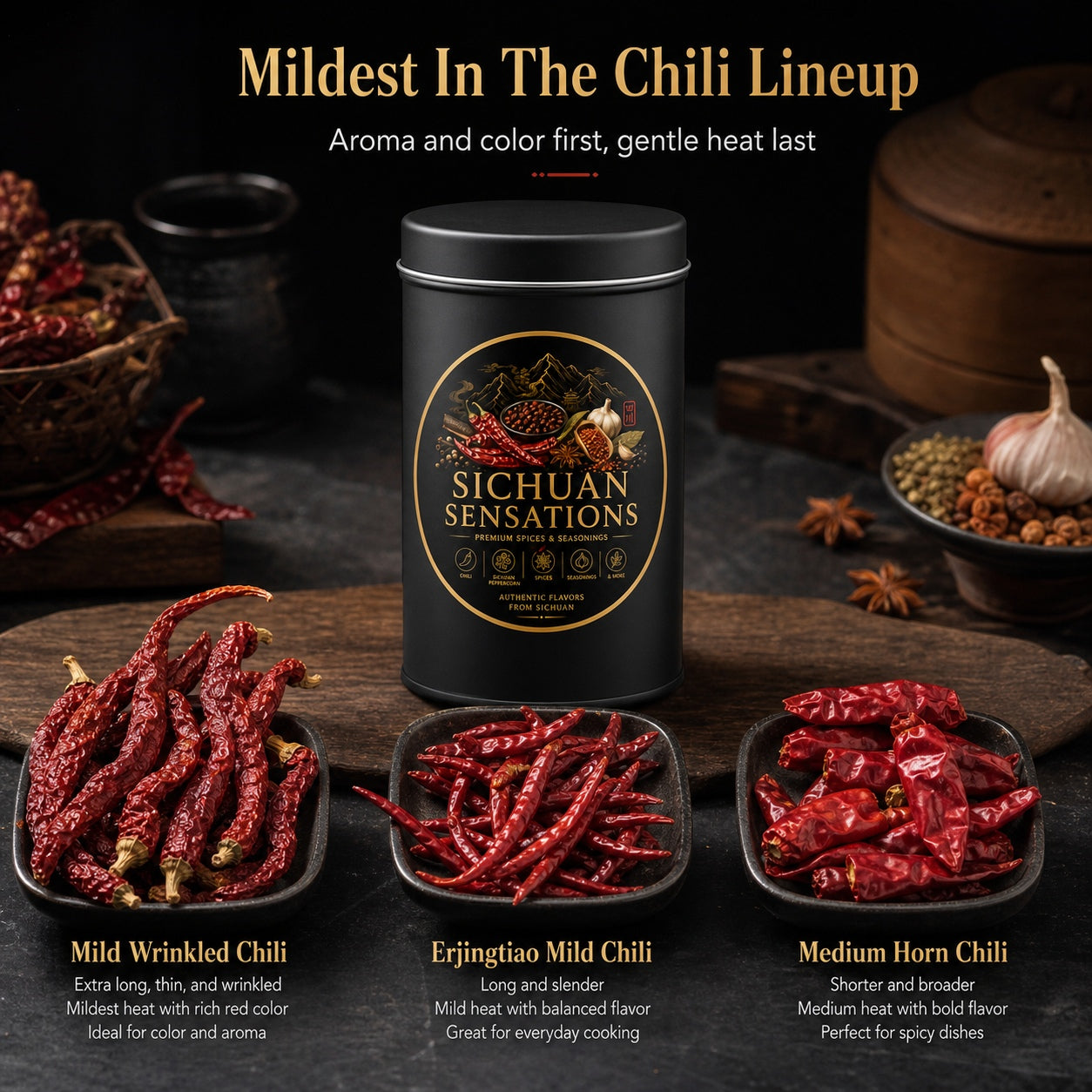
- 1/2 cup dried red chilies, cut into sections; adjust to your heat preference
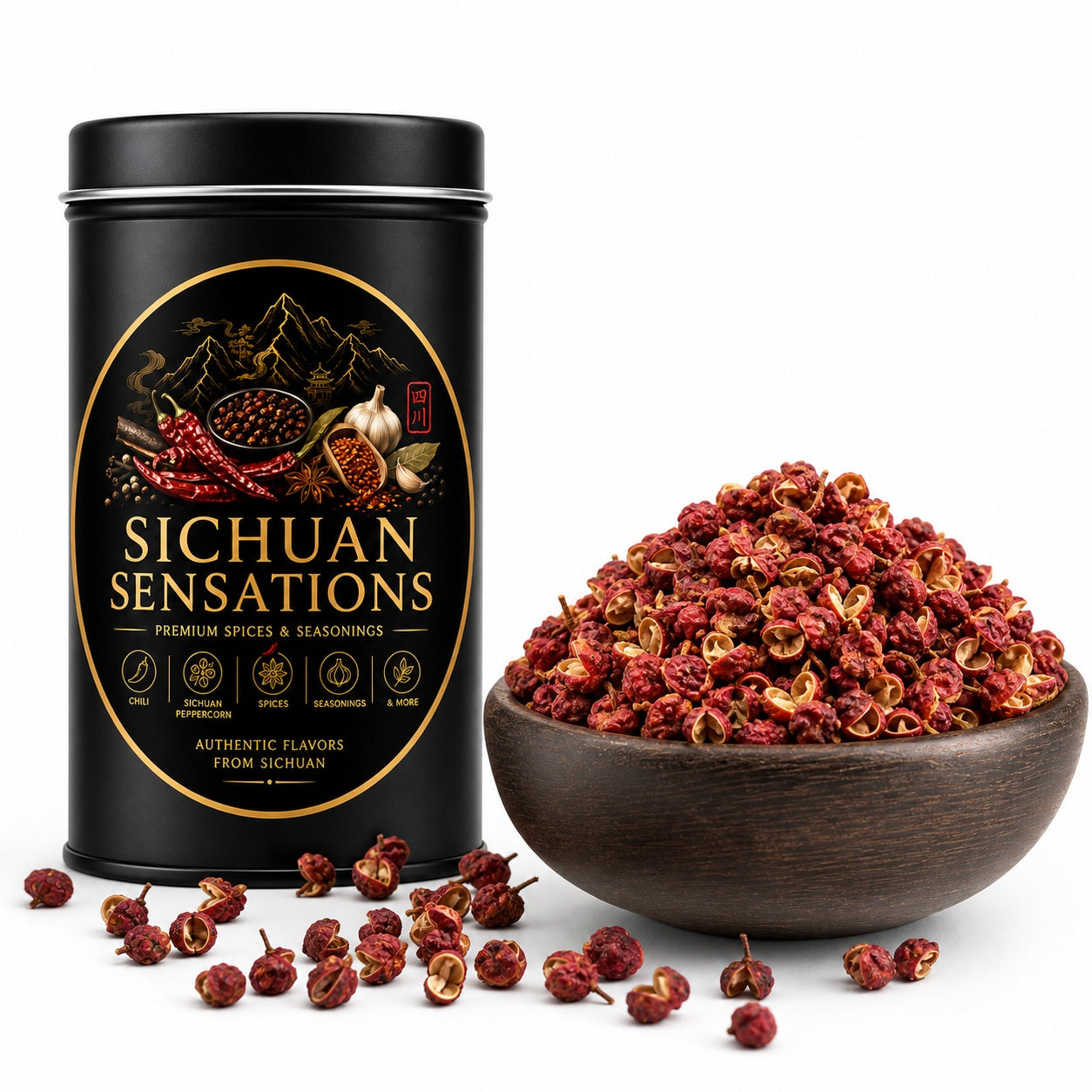
- 2 tablespoons whole red Sichuan peppercorns
- 5 slices fresh ginger
- 5 garlic cloves, lightly crushed
- 3 scallions, cut into sections
- 2 tablespoons fermented black beans, rinsed and drained (optional)
Whole spices
- 2 whole star anise
- 1 small piece cassia bark
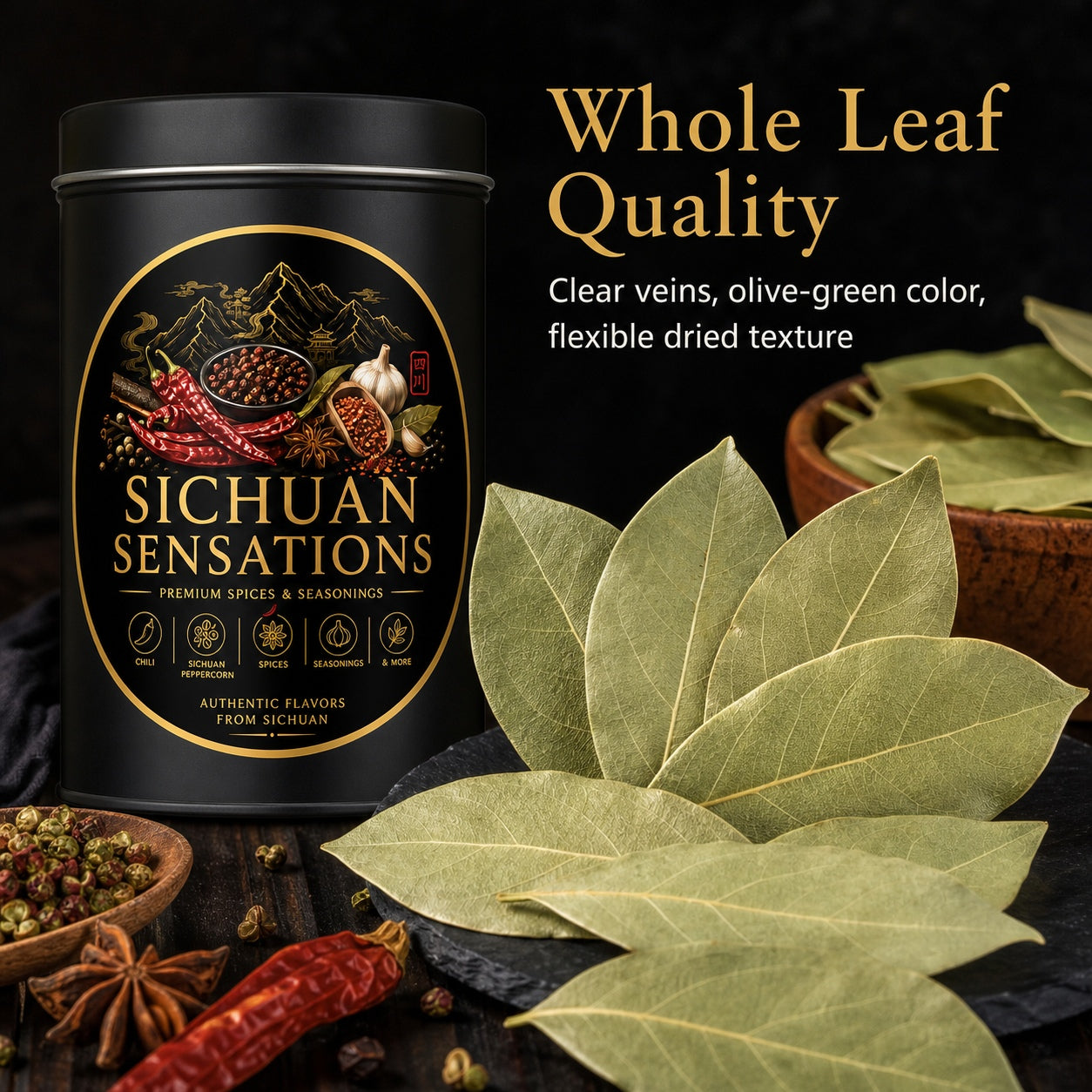
- 2 bay leaves
- 1 teaspoon fennel seeds
- 2 black cardamom pods, lightly cracked (optional)
To turn the base into broth
- 6–8 cups (1.5–2 liters) unsalted chicken, beef, or vegetable stock
- Salt to taste
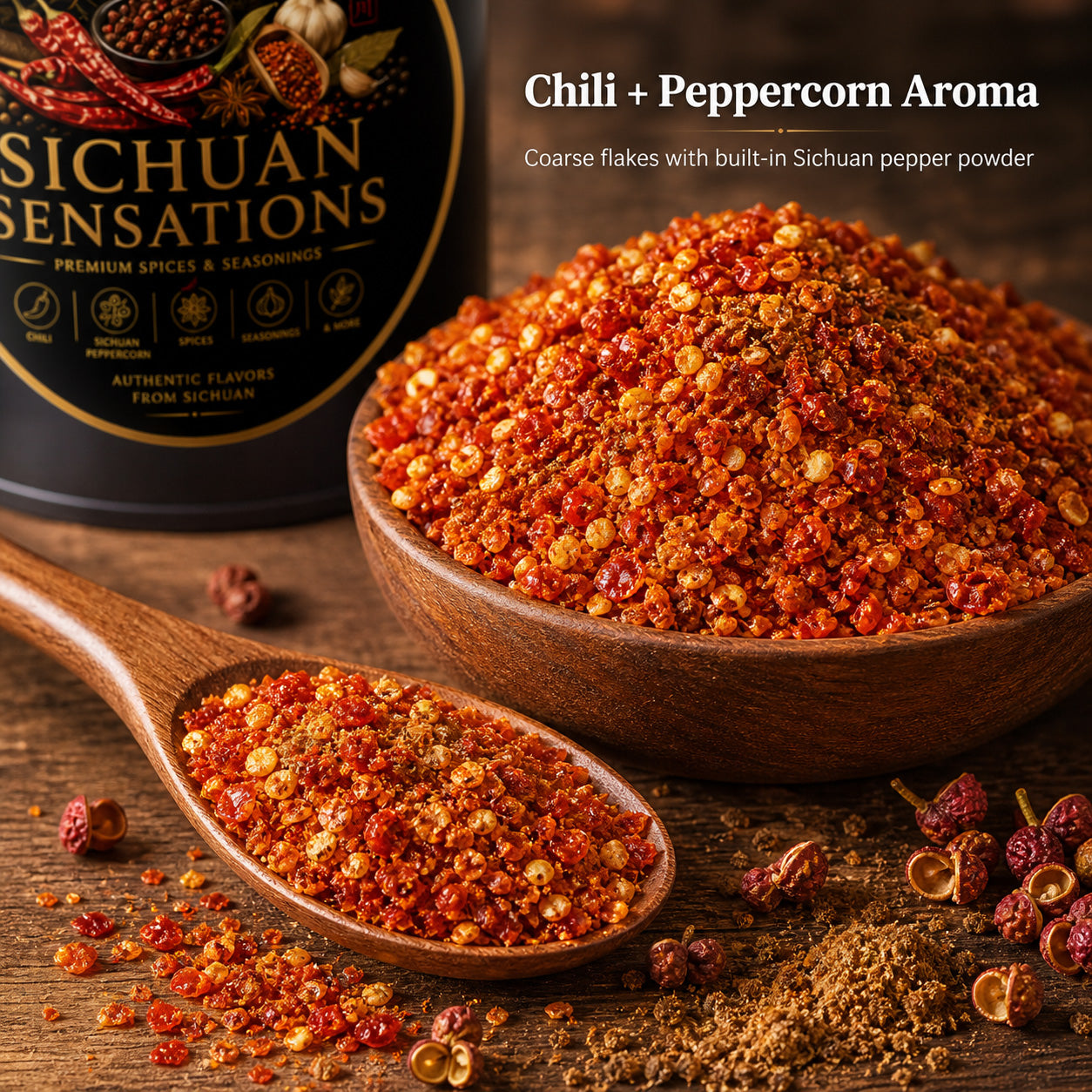
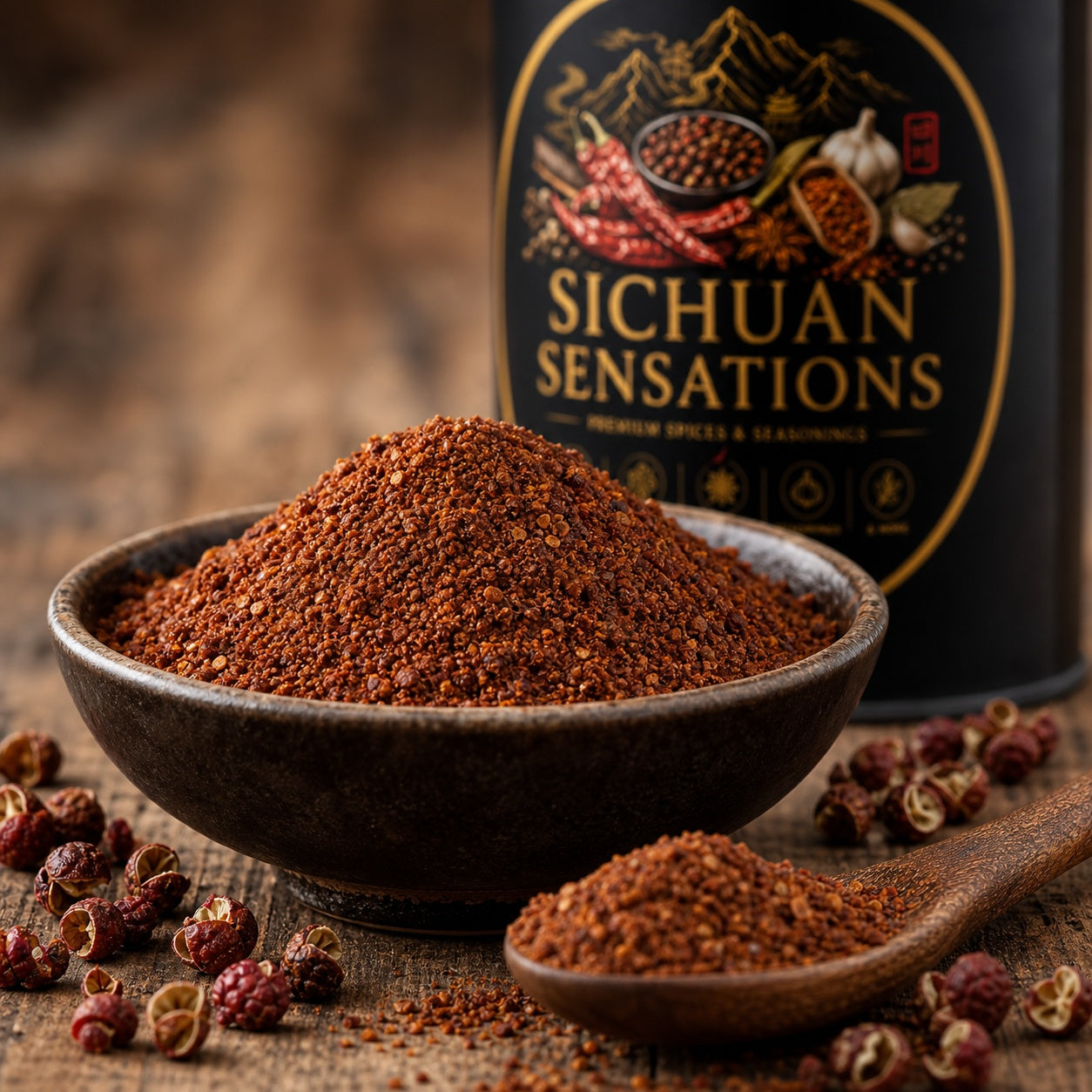
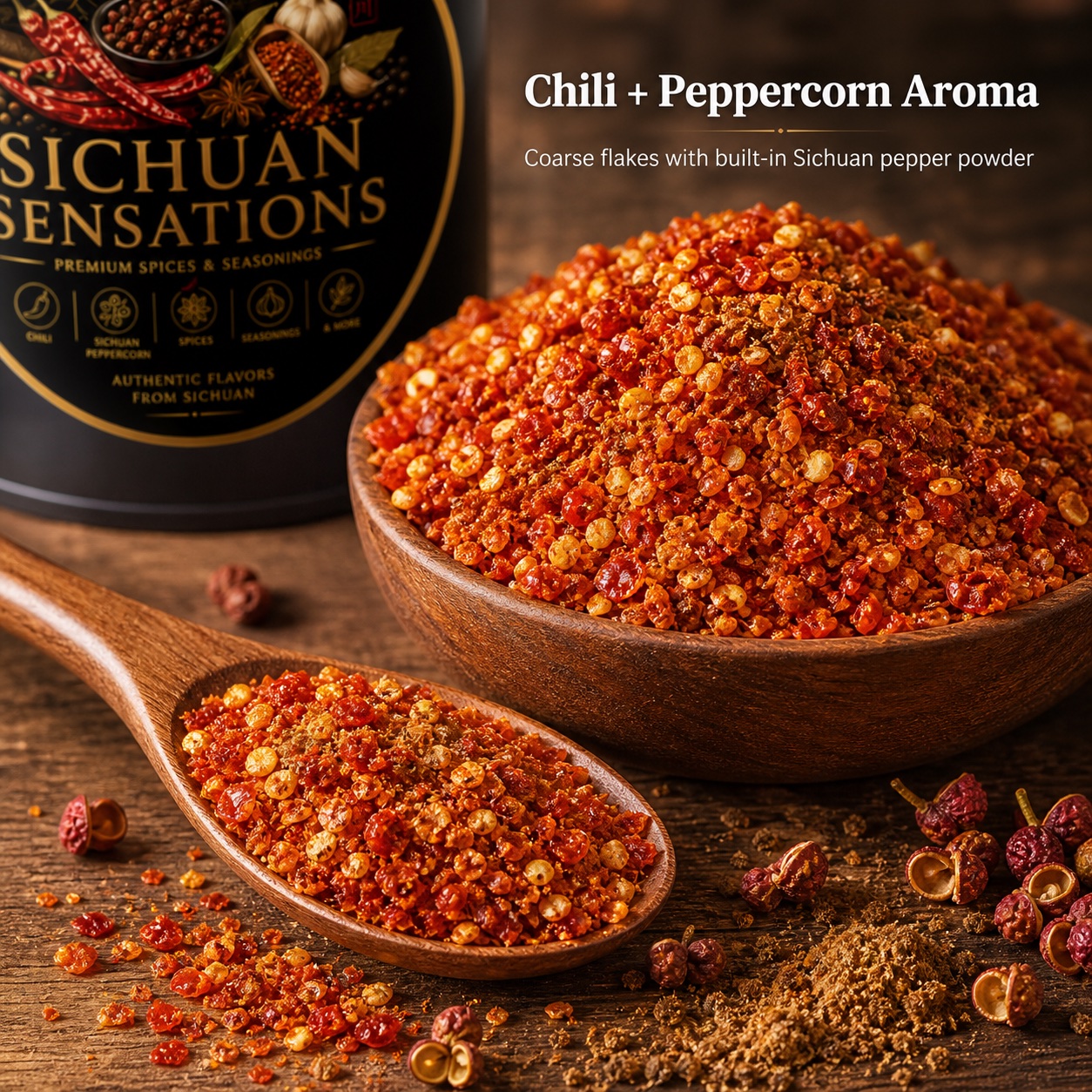
- 1–2 teaspoons Sichuan Sensations Erjingtiao Chili Flakes with Sichuan Pepper Powder, optional, for extra chili fragrance and gentle tingle
Ingredients for serving
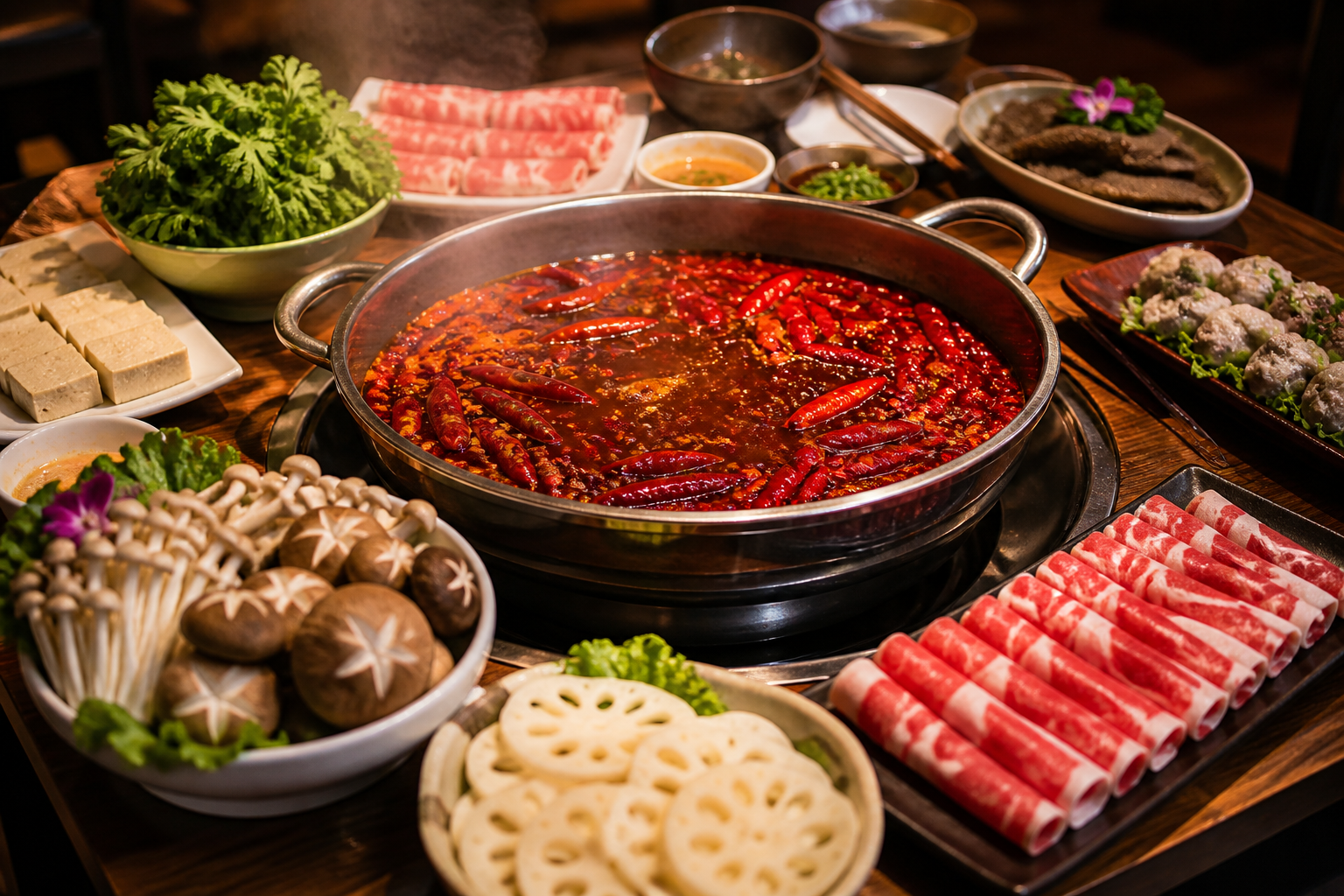
Thinly sliced beef, tripe, duck intestine, mushrooms, tofu, lotus root, leafy vegetables, noodles, or any ingredients suitable for simmering at the table.
1. Prepare everything before heating the oil
Measure the ingredients and place them beside the stove. Pat the chilies, peppercorns, aromatics, and fermented black beans completely dry. Water hitting hot oil can splatter dangerously.
2. Wake up the ginger, garlic, and scallions
Heat the oil in a deep, heavy wok over medium-low heat. Add ginger, garlic, and scallions. Fry gently until fragrant and lightly golden, then remove the scallions if they begin to darken.
3. Fry the doubanjiang slowly
Reduce the heat to low. Add the doubanjiang and stir continuously for 5–8 minutes. The oil should bubble gently, not smoke. Continue until the paste smells deeply savory and the oil becomes red.
4. Add chilies and whole spices
Add the dried chilies, star anise, cassia, bay leaves, fennel, black cardamom, and optional fermented black beans. Fry over low heat for another 3–5 minutes, stirring so nothing stays against the bottom of the wok.
5. Add Sichuan peppercorns near the end
Stir in the whole Sichuan peppercorns and fry for 30–60 seconds. Adding them later helps protect their fresh citrus aroma from prolonged heat. Turn off the heat immediately if the chilies darken rapidly or smell bitter.
6. Dilute the concentrated base
Carefully transfer the base to a hot pot and add 6 cups of stock. Bring it to a gentle simmer, then taste. Add more stock if it is too intense and season with salt only after the broth is diluted. Simmer for 15–20 minutes before cooking food at the table.
> **Safety note:** Never pour cold or wet ingredients directly into very hot oil. Keep a lid nearby, use a deep wok, and never use water to extinguish an oil fire.
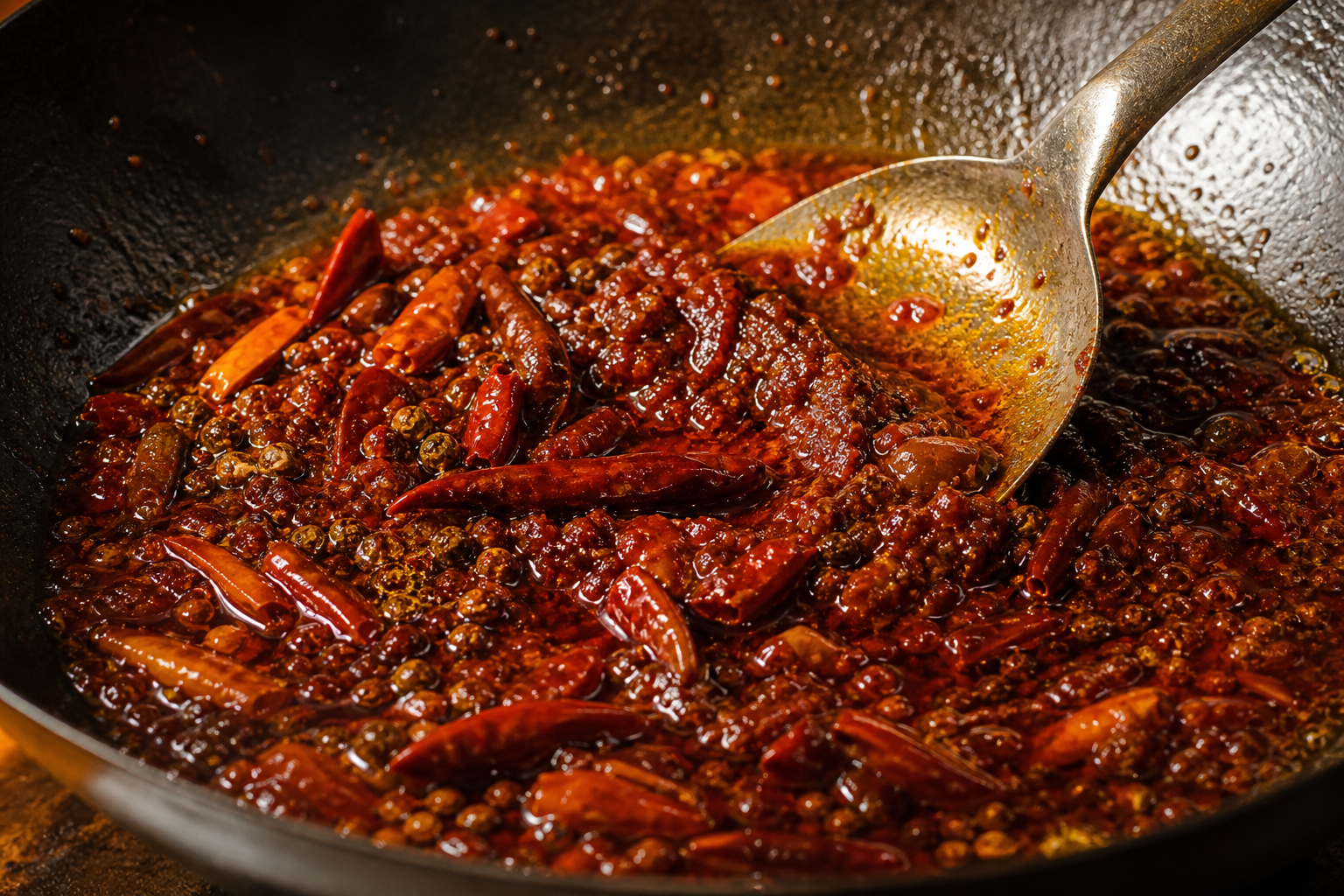
1. Use low heat.** High heat burns chili skins and fermented paste before their aroma can fully infuse the oil.
2. Balance the spices.** Star anise and cassia should support the chilies and peppercorns, not dominate them.
3. Add peppercorns late.** A short fry better preserves their bright, citrusy character.
4. Dilute before seasoning with salt.** Doubanjiang is already salty, so the final salt level can only be judged after stock is added.
5. Let the broth settle into balance.** Simmering the diluted base for 15–20 minutes creates a more integrated flavor than using it immediately.
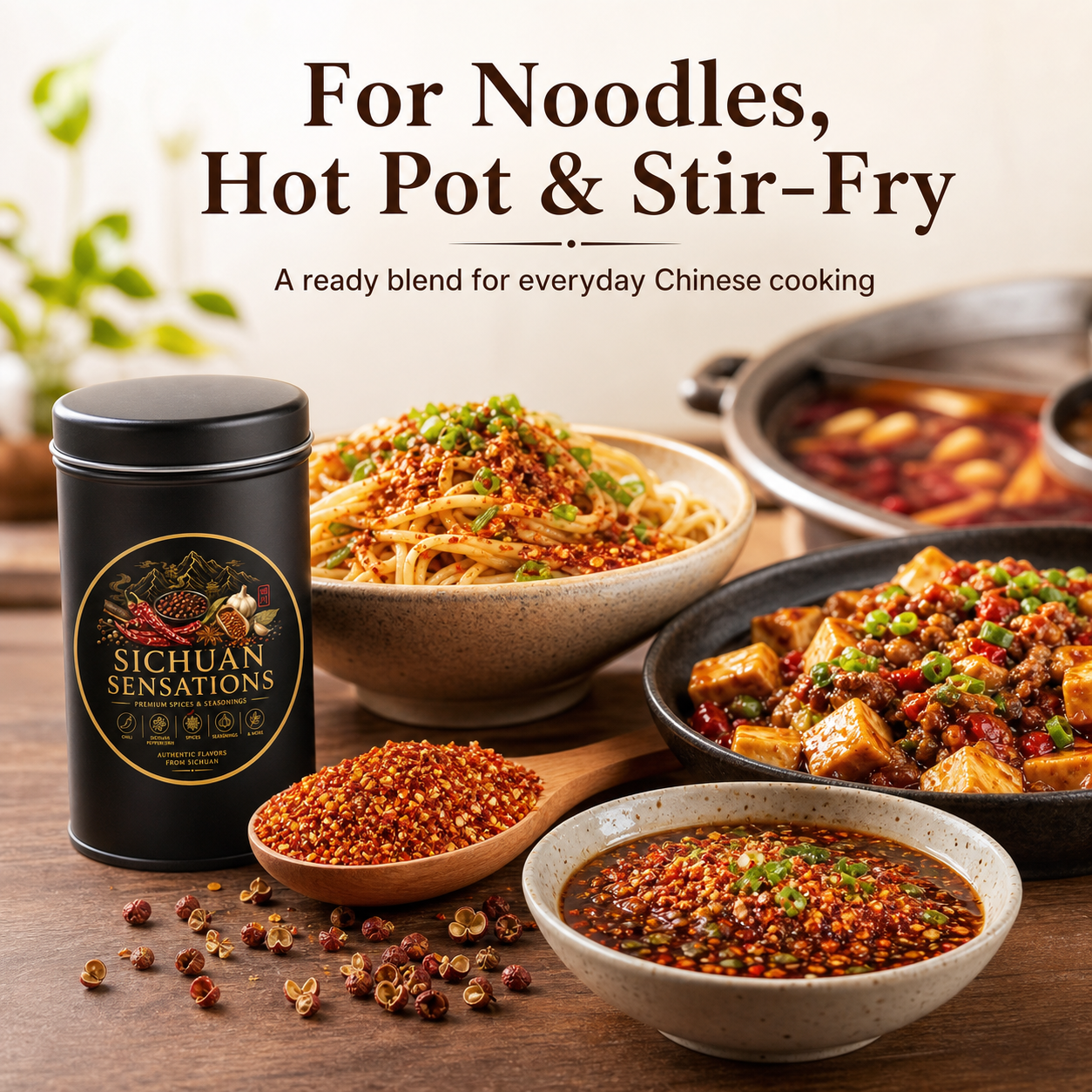
For home cooks who want a convenient finishing boost, **[Sichuan Sensations Erjingtiao Chili Flakes with Sichuan Pepper Powder](/products/sichuan-erjingtiao-chili-flakes-sichuan-pepper-seasoning)** combines aromatic chili flakes and ground Sichuan pepper in one tin.
It is not a complete hot pot base and does not replace doubanjiang, oil, aromatics, or stock. Instead, stir 1–2 teaspoons into the base near the end of frying, or place a little in a personalized dipping sauce, to strengthen the chili fragrance and gentle Sichuan tingle. Begin with a small amount, taste the diluted broth, and add more only if needed.
**Short product benefit:** An aromatic blend of Erjingtiao-style chili flakes and Sichuan pepper powder for adding color, fragrant heat, and gentle tingle to hot pot, noodles, chili oil, and stir-fries.
What is Sichuan hot pot base made from?
A red Sichuan hot pot base commonly combines cooking fat, dried chilies, Sichuan peppercorns, doubanjiang, ginger, garlic, scallions, and a restrained mixture of whole spices. Recipes vary by household and region.
Can I make Sichuan hot pot without beef tallow?
Yes. Neutral cooking oil creates a lighter, cleaner-tasting base. Beef tallow gives a richer texture and more traditional Chongqing-style character. A half-and-half mixture is a practical middle ground.
Why did my hot pot base taste bitter?
The chilies, peppercorns, or doubanjiang were probably fried at too high a temperature or for too long. Keep the oil below smoking, stir continuously, and add Sichuan peppercorns near the end.
Can I prepare the base in advance?
Yes. Cool it quickly, transfer it to a clean airtight container, and refrigerate for up to three days or freeze in portions. Reheat it fully with fresh stock before serving.
How can I make the broth less spicy?
Use fewer dried chilies, remove most chili seeds, and add more unsalted stock. Reducing chili is more effective than trying to fix an overly spicy broth later.